
Business Event Planning Guide: Step-by-Step Success
Discover the ultimate business event planning guide for Waterlooville. Follow clear steps to organise, promote, and verify your event's success with ease.
Business Event Planning Guide: Step-by-Step Success
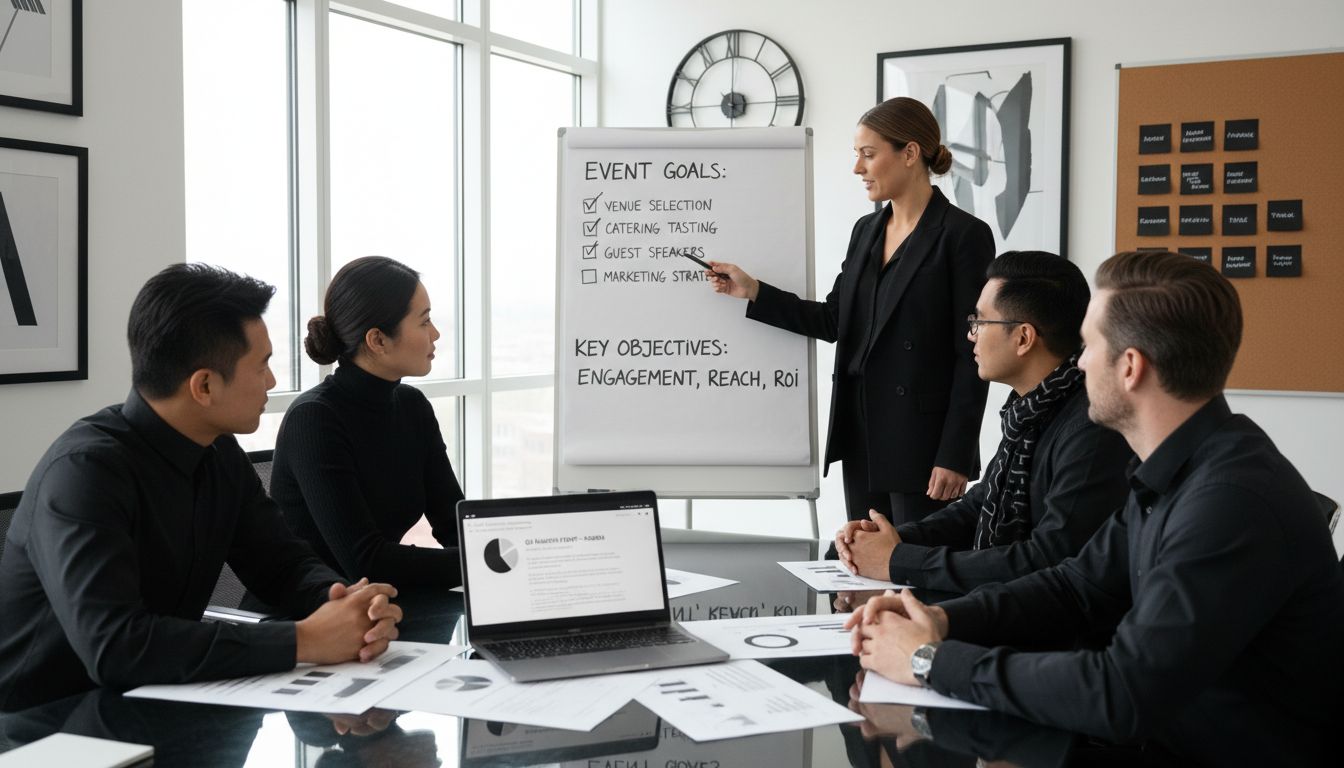
Did you know that over 60 percent of business events don’t reach their intended goals due to unclear planning? Setting up a well-organized event makes the difference between missed opportunities and real results. By following proven steps, you can turn an idea into a successful gathering that impresses guests and achieves your objectives from the start.
Table of Contents
- Step 1: Define Your Business Event Objectives
- Step 2: Select Local Venues And Essential Services
- Step 3: Coordinate Logistics With Vendors And Staff
- Step 4: Promote Your Event To The Community
- Step 5: Verify Event Setup And Attendee Experience
Quick Summary
| Key Point | Explanation |
|---|---|
| 1. Define clear business objectives | Establish specific goals to guide your event planning. Understand the event’s purpose and create measurable targets for better tracking. |
| 2. Select appropriate venues and services | Choose venues based on location, capacity, and amenities. Thoroughly evaluate potential spaces to match your event’s needs and budget. |
| 3. Coordinate logistics effectively | Develop a detailed communication matrix for vendors and staff. Ensure all roles and timelines are clear to avoid confusion during execution. |
| 4. Market your event widely | Use a multi-channel promotional approach to attract attendees. Engage local communities and professional networks for broader visibility. |
| 5. Verify event setup and attendee experience | Conduct a thorough walkthrough of the venue before the event. Ensure all technical details and support services are operational for a seamless experience. |
Step 1: Define your business event objectives
Defining clear objectives is the crucial foundation for planning a successful business event. According to Alabama FCCLA, establishing precise goals involves determining the event’s purpose, identifying the target audience, and setting measurable objectives.
Start by asking yourself strategic questions about your event. What specific outcomes do you want to achieve? Are you aiming to generate new business leads, launch a product, build professional networking connections, or educate your industry peers? Each goal will dramatically shape your entire event strategy. For instance, a lead generation event will look completely different from an educational conference.
Break down your objectives into concrete, measurable targets. Instead of vague goals like “increase brand awareness,” specify metrics such as “connect with 50 potential enterprise clients” or “generate 25 qualified sales leads.” This approach allows you to track success and demonstrate real value. Pro tip: Write down your objectives and share them with key stakeholders to ensure alignment and create a clear roadmap for your event planning.
Once you have crystallized your event objectives, you are ready to move forward with selecting an appropriate venue and developing a comprehensive event strategy.
Step 2: Select local venues and essential services
Selecting the perfect venue and services is a critical step in bringing your business event to life. According to IACC Online, choosing the right venue involves carefully considering factors like location, capacity, services, amenities, and the overall atmosphere to ensure it aligns with your event objectives.
Start by creating a comprehensive checklist of venue requirements. Research local spaces that match your event size and style. Press.org recommends evaluating key aspects such as accessibility, cost, capacity, and the suitability of the space for your specific event type. Consider practical elements like parking availability, proximity to public transportation, audio visual capabilities, and catering options. Look for venues that offer flexibility and can accommodate potential last minute adjustments to your event plan.
Budget plays a significant role in venue selection. Request detailed quotes from multiple locations and understand exactly what is included in the price. Some venues offer package deals that include essential services like audio equipment, Wi Fi, and basic catering which can help you streamline your planning. Pro tip: Always visit potential venues in person to get a true sense of the space and discuss your specific requirements directly with venue managers.
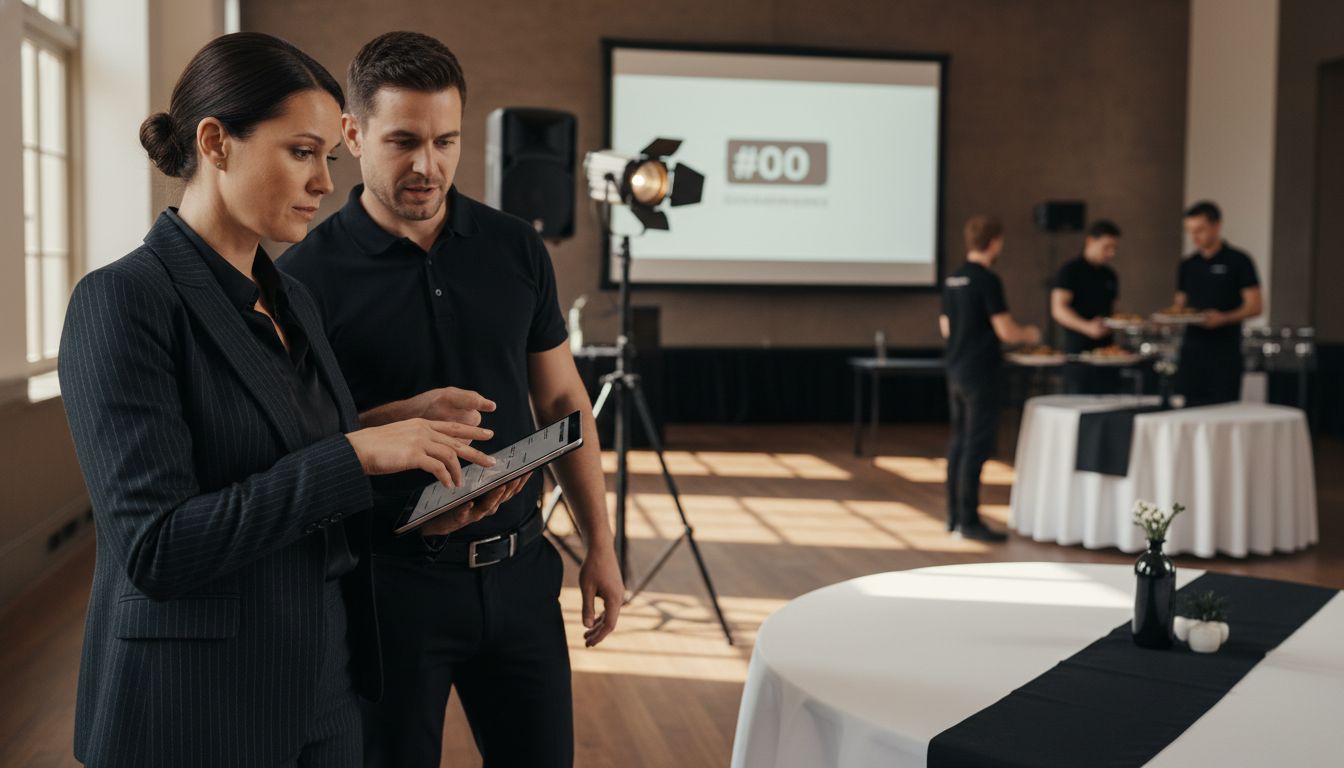
Once you have selected your ideal venue, you are ready to move forward with detailed event logistics and service coordination.
Step 3: Coordinate logistics with vendors and staff
Coordinating logistics is where your event planning transforms from concept to reality. According to the Bureau of Labor Statistics, event planners must oversee various aspects, carefully coordinating with vendors and staff to ensure all elements align seamlessly for a successful event.
Begin by creating a detailed communication matrix that outlines each vendor and staff member’s specific responsibilities. Develop comprehensive briefing documents that clearly articulate expectations, timelines, and critical delivery points. Iowa State University’s Event Management Guide emphasizes the importance of securing accommodations, coordinating transportation, and ensuring compliance with relevant regulations. Schedule multiple check in points with key vendors to confirm they understand their roles and can meet critical deadlines.
Prepare for potential complications by building contingency plans into your logistics strategy.
Establish clear communication channels and backup contacts for each vendor. Create a centralized document that everyone can access which includes contact information, specific roles, and emergency protocols. Pro tip: Consider hosting a pre event coordination meeting where all vendors and key staff can discuss their roles and potential intersections to minimize last minute confusion.
With logistics carefully mapped out, you are now ready to move into the final stages of event preparation and implementation.
Step 4: Promote your event to the community
Marketing your business event effectively is crucial to ensuring strong attendance and community engagement. According to UCLA Extension, marketing is a critical component of event planning that encompasses comprehensive strategies to attract attendees and guarantee the event’s success.
Launch a multi channel promotional approach that leverages both digital and traditional communication platforms. Create a compelling event narrative that highlights the unique value and benefits attendees will experience. Utilize social media platforms to generate buzz, share event details, and create shareable content that encourages community members to spread the word. Local community groups, professional networks, and business associations can be powerful allies in amplifying your event’s reach. Design eye catching graphics and write engaging posts that clearly communicate the event’s purpose, date, location, and key attractions.
Consider offering early bird registration incentives or exclusive networking opportunities to motivate potential attendees. Reach out to local media outlets including community newspapers, business journals, and regional websites to secure potential coverage or event listings. Pro tip: Develop a targeted email marketing campaign and segment your audience to ensure your message reaches the most relevant potential participants. Personal connections and word of mouth recommendations can significantly boost your event’s visibility and credibility.
With your promotional strategy in place, you are now prepared to build excitement and drive registrations for your upcoming business event.
Step 5: Verify event setup and attendee experience
The final step of event planning involves meticulously checking every detail to ensure a seamless experience for your attendees. According to IACC Online, ensuring a positive attendee experience requires careful consideration of the venue’s atmosphere, services, and amenities to meet participants’ expectations.
Conduct a comprehensive walkthrough of the event space several hours before guests arrive. Press.org recommends assessing the venue’s suitability, accessibility, and overall environment to ensure it aligns with your event’s goals and attendee comfort. Check every technical detail including microphone and audio visual equipment, seating arrangements, signage, registration areas, and lighting. Verify that all vendor services are in place and functioning correctly. Test WiFi connectivity, ensure adequate power outlets are available, and confirm that catering and refreshment areas are properly set up.
Create a final checklist that covers every potential contingency. Assign specific team members to monitor different aspects of the event experience. Have a dedicated troubleshooting team ready to address any unexpected issues quickly and professionally. Pro tip: Keep a emergency kit with basic supplies like extra adapters, batteries, extension cords, basic first aid items, and backup copies of critical presentations. Walk through the entire attendee journey from arrival to departure to anticipate and resolve potential friction points.
With your event setup verified and ready, you are now prepared to welcome your guests and deliver an exceptional professional experience.
Make Your Business Event Planning Easier with Local Expertise
Planning a business event can be overwhelming when you need to define clear objectives, find the right venue, coordinate vendors, and ensure a smooth attendee experience. This step-by-step guide highlights key challenges like selecting the perfect local venues and managing logistics efficiently. If you want to avoid last-minute stress and make your event truly memorable, tapping into trusted local resources is essential.
Waterlooville.co is your go-to community platform that connects you with reliable local businesses and services that can support every stage of your event planning. Whether you need venues with great amenities, expert caterers, or technical support, you can find detailed listings with customer reviews to help you choose confidently.

Start boosting your event success today by exploring our carefully curated business directory. Take advantage of local knowledge to select the ideal venue and vendors with ease.
INFOGRAPHIC:infographic_content] Visit [Waterlooville.co now and bring your business event vision to life with the support of community professionals. Your next step is just a click away from turning your goals into a seamless event experience.
Frequently Asked Questions
How do I define clear objectives for my business event?
Defining clear objectives involves determining the purpose of your event, identifying your target audience, and setting measurable goals. Start by asking what specific outcomes you want to achieve, such as generating new leads or educating attendees. Write down these objectives to guide your planning process and share them with your team for alignment.
What factors should I consider when selecting a venue for my business event?
When choosing a venue, assess factors like location, capacity, services, and the overall atmosphere to ensure it meets your event’s needs. Create a checklist of requirements that includes accessibility, budget, and potential flexibility for last-minute changes. Visit potential venues in person to get a true sense of the space and confirm its suitability.
How can I coordinate logistics effectively with vendors and staff for my event?
Start by creating a detailed communication plan that assigns specific responsibilities to each vendor and staff member. Develop briefing documents to outline expectations and timelines and schedule regular check-ins to ensure everyone remains on track. This proactive approach can help mitigate misunderstandings and keep your event planning on target.
What promotional strategies can I use to ensure a successful turnout for my event?
Implement a multi-channel marketing strategy that combines digital and traditional methods to reach your audience effectively. Create engaging content that highlights the event’s unique value and offers incentives such as early bird registration. Leverage community networks and social media platforms to maximize visibility and encourage attendees to spread the word.
How do I verify the event setup to enhance attendee experience?
Conduct a comprehensive walkthrough of the venue several hours before the event starts to ensure everything is in order. Check technical setups, seating arrangements, and vendor readiness. Create a final checklist to monitor every detail, and have designated team members focus on specific areas to resolve any issues swiftly.
What contingency plans should I have in place for my event?
Develop contingency plans by identifying potential complications that could arise during the event. Create a centralized document that outlines backup contacts for vendors and emergency protocols. This preparation allows you to respond quickly and effectively to unexpected challenges, ensuring a seamless experience for your attendees.