
Community Hall Explained: Benefits for Waterlooville
Community hall meaning, types, uses, costs, and legal requirements. Discover how local halls serve Waterlooville residents and support community life.
Community Hall Explained: Benefits for Waterlooville
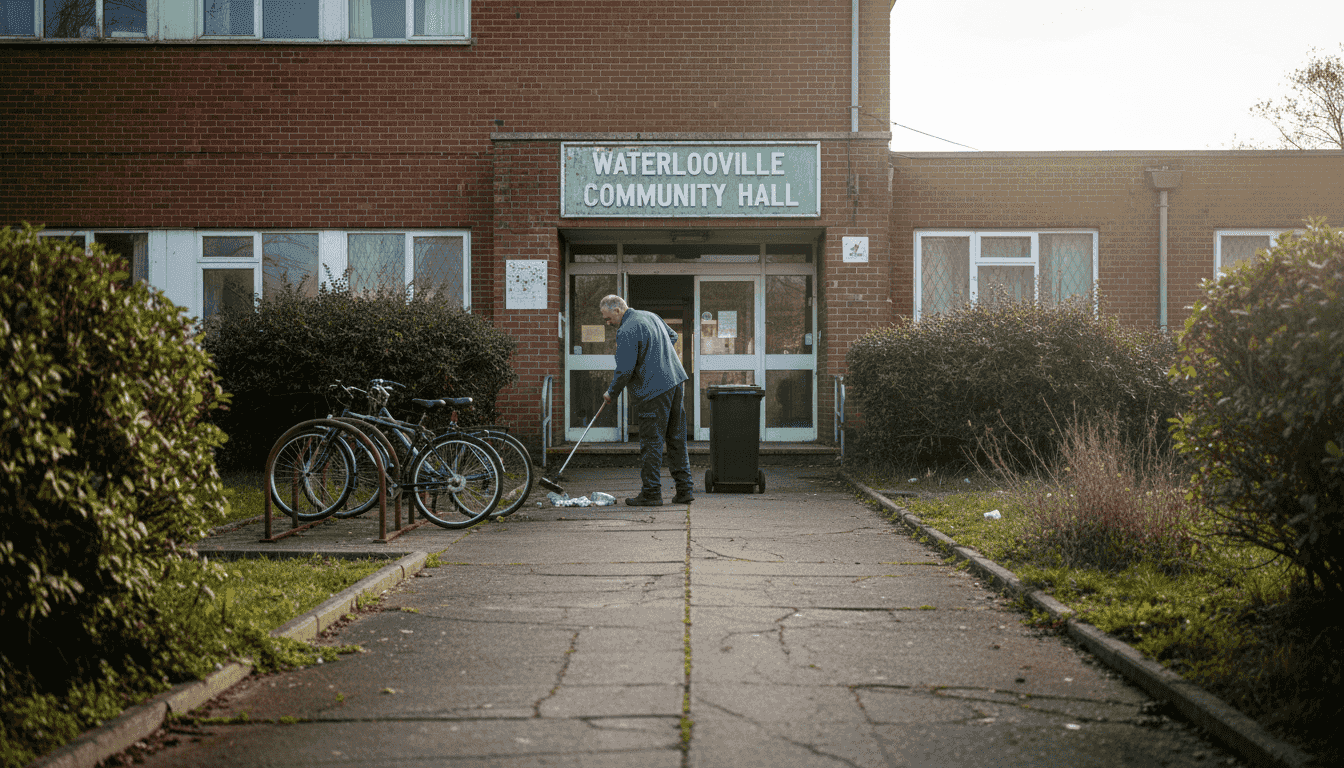
Planning a family celebration or local club meeting in Waterlooville can sometimes feel overwhelming when you consider the options and myths about available venues. Community halls offer much more than just empty rooms, serving as hubs for neighborhood connections and civic engagement. Breaking through misconceptions helps residents see the real benefits these shared spaces bring, from supporting cultural activities to enabling community planning. Discover what makes your local community hall a valuable resource for events, gatherings, and building stronger community ties.
Table of Contents
- Community Hall Definition And Common Myths
- Types Of Community Halls And Key Differences
- Main Functions And Facilities Provided
- Legal And Safety Obligations For Owners
- Costs, Risks, And Alternatives To Community Halls
Key Takeaways
| Point | Details |
|---|---|
| Community Halls Are Multifunctional | Community halls serve diverse purposes, facilitating social gatherings, educational workshops, and civic engagement activities, enhancing local social infrastructure. |
| Common Myths Are Misleading | Misconceptions about community halls—such as their being only for formal events or expensive—should be corrected to promote their true value and accessibility. |
| Ownership Comes with Legal Obligations | Community hall owners must adhere to legal requirements regarding safety and accessibility, ensuring spaces are compliant and welcoming for all users. |
| Financial Viability Is Crucial | Effective management of costs and exploring diverse revenue sources are essential for sustaining community halls and meeting evolving community needs. |
Community Hall Definition and Common Myths
A community hall is a shared public space designed for local residents to gather, interact, and participate in various social, cultural, and civic activities. These versatile venues play a crucial role in bringing people together, far beyond the common misconceptions that often limit their perceived value. Understanding the true nature of community halls helps residents appreciate their significance in fostering neighborhood connections.
Contrary to popular belief, community halls are not just empty rooms waiting to be filled. They serve multiple important functions that contribute to local social infrastructure. Community congregate settings pose unique dynamics that extend well beyond simple meeting spaces:
- Provide a neutral gathering location for diverse groups
- Host educational workshops and training sessions
- Support local cultural and recreational programs
- Enable civic engagement and community planning meetings
- Create opportunities for intergenerational interactions
Some persistent myths about community halls can discourage potential use and participation. These misconceptions often stem from limited understanding of their true purpose and potential. Common myths include:
- Community halls are only for formal events
- These spaces are expensive to rent or use
- Only large organizations can book community halls
- Halls are outdated and irrelevant in the digital age
- Maintenance and management are complicated
In reality, community planning requires understanding these shared spaces as vital components of local social infrastructure. They represent more than physical locations - they are platforms for building community resilience, promoting social connections, and supporting collective well-being.
Pro Tip: Before dismissing community halls as irrelevant, attend a local event or meeting to experience their true potential and community-building impact.
Types of Community Halls and Key Differences
Community halls are not one-size-fits-all spaces, but rather diverse venues designed to meet specific local needs and support varied social interactions. Residential community halls, municipal centers, recreational facilities, and cultural spaces represent distinct categories, each with unique characteristics and purposes that serve different segments of the local population.
Residential Learning Communities demonstrate how community spaces can integrate multiple functions beyond traditional meeting rooms. These specialized halls typically offer:
- Flexible gathering areas
- Multi-purpose event spaces
- Technology-enabled meeting rooms
- Social interaction zones
- Accessibility features for diverse populations
Classification Criteria for community halls generally involve several key distinguishing factors:
- Size and capacity
- Primary functional purpose
- Management and ownership
- Target demographic
- Architectural design
Recreation center facilities reveal significant variations in community hall designs. These variations range from small neighborhood centers to expansive multi-use facilities, each tailored to specific community requirements and supporting different types of social engagement.
To better understand community hall categories, here is a comparison of their primary attributes:
| Type of Community Hall | Typical Size | Key Users | Main Purpose |
|---|---|---|---|
| Residential Hall | Small-medium | Local residents | Social gatherings |
| Municipal Center | Medium-large | Civic groups | Government and planning |
| Recreation Facility | Large | All age groups | Sports and fitness |
| Cultural Space | Varies | Artists, performers | Arts and events |
Community halls represent more than physical spaces - they are dynamic platforms for social connection, learning, and collective community expression.
Pro Tip: Before selecting a community hall for an event, carefully assess the specific features and limitations of each available space to ensure it matches your precise needs.
Main Functions and Facilities Provided
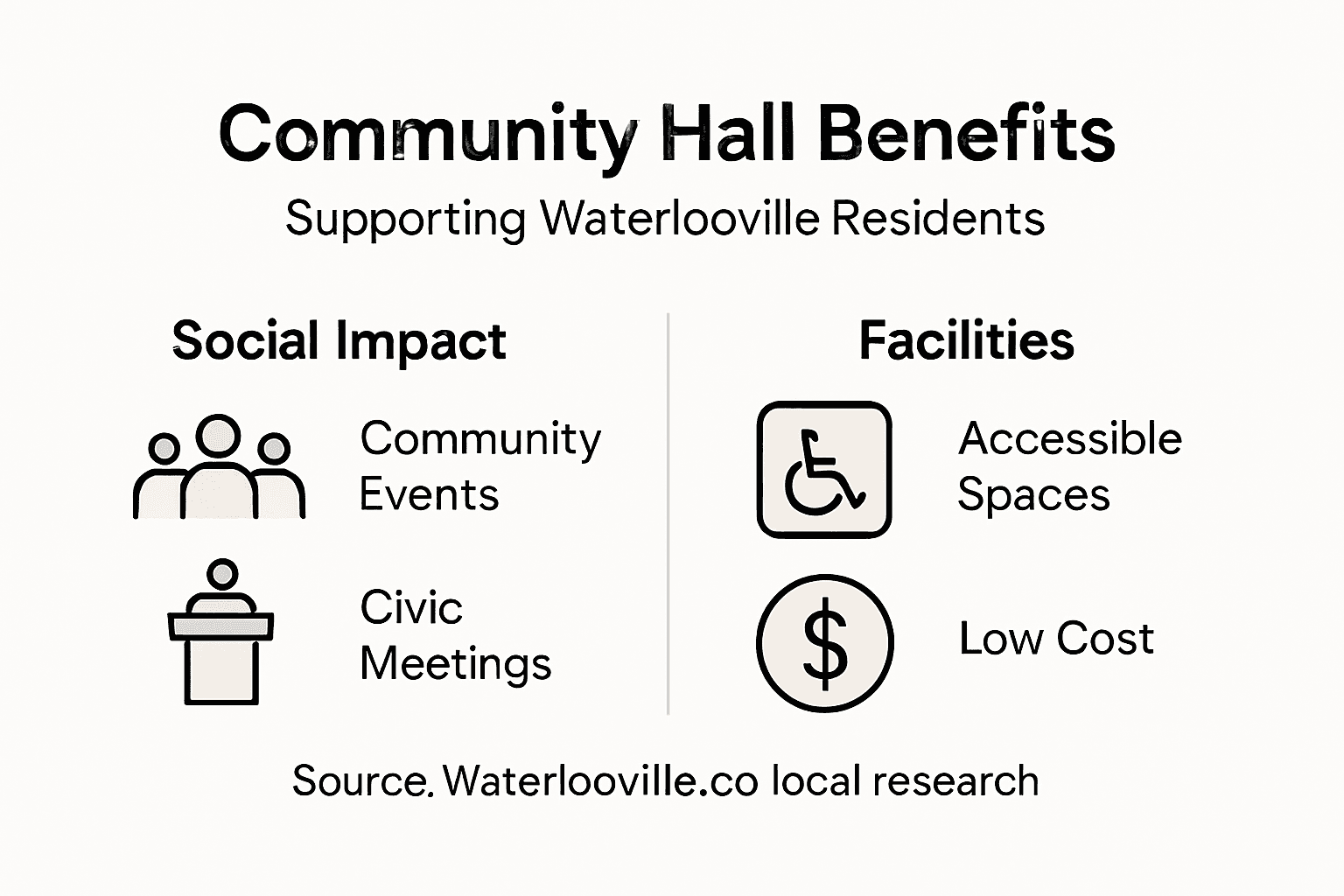
Community halls serve as versatile spaces that accommodate a wide range of social, cultural, and civic activities essential to local community life. These multipurpose venues are designed to support diverse needs, from small private gatherings to large public events, providing infrastructure that enables meaningful social interactions and community engagement.
Community facilities offer comprehensive service specifications that typically include several critical functional areas:
- Flexible event and meeting spaces
- Commercial-grade kitchen facilities
- Advanced audio-visual equipment
- Accessible restroom and changing areas
- Stage or presentation platforms
- Storage and preparation rooms
- Integrated technology infrastructure
These facilities support multiple event types and community functions, including:
- Local government meetings
- Wedding and family celebrations
- Educational workshops
- Cultural performances
- Fitness and recreational classes
- Charity and fundraising events
- Senior citizen programs
Community halls are more than physical spaces - they are living, breathing platforms that reflect and support the dynamic needs of local populations.
Accessibility and inclusivity remain cornerstone principles in modern community hall design. Facilities increasingly incorporate universal design features to ensure spaces can be used comfortably by individuals with varying mobility levels, age groups, and physical capabilities.
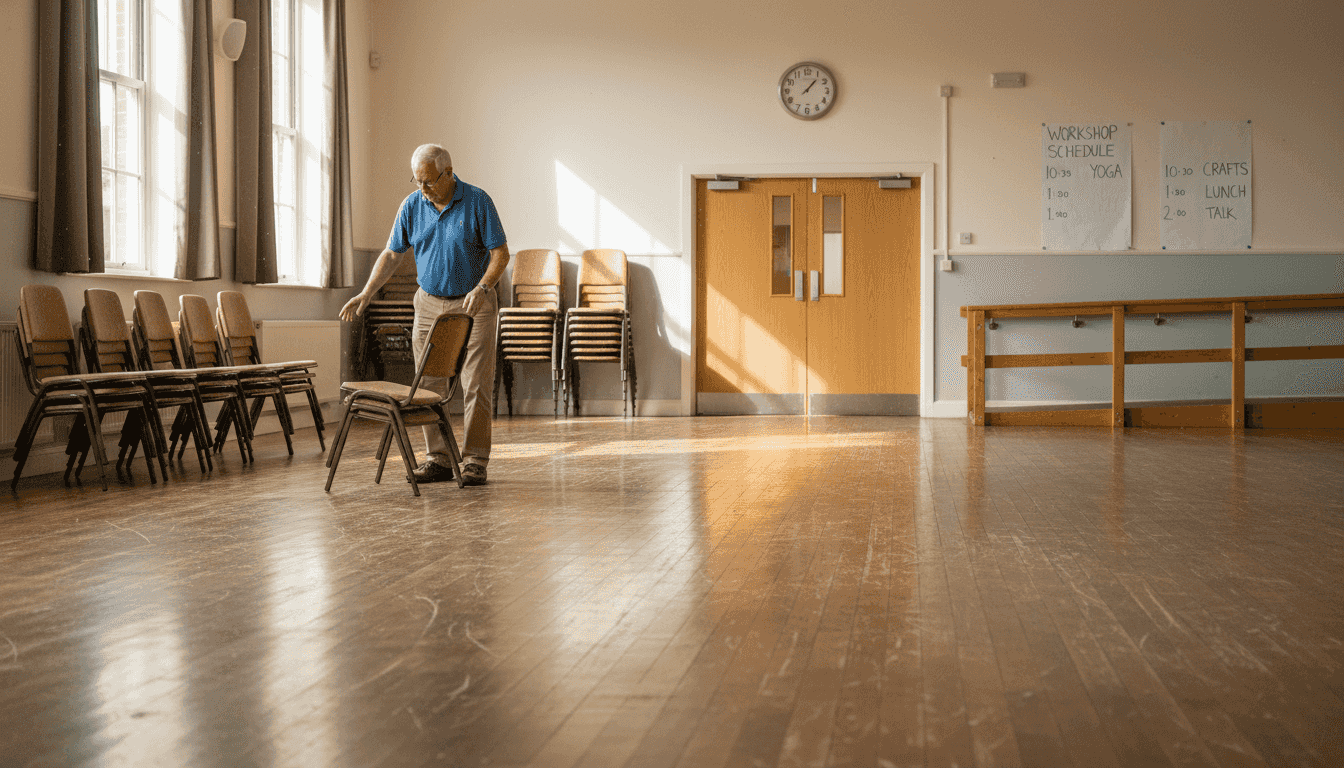
Pro Tip: Contact your local community hall management to understand specific facility capabilities and booking procedures before planning your event.
Legal and Safety Obligations for Owners
Community hall ownership comes with significant legal responsibilities that extend far beyond simple property management. Owners and management committees must navigate a complex landscape of health, safety, and accessibility regulations designed to protect users and ensure equitable community access.
Health and safety regulations mandate comprehensive safety protocols that community hall owners must implement:
- Maintain safe building infrastructure
- Conduct regular safety inspections
- Manage potential health risks
- Document safety procedures
- Train staff on emergency protocols
- Ensure equipment meets safety standards
- Create and update risk management plans
Key legal obligations for community hall owners include:
- Compliance with fire safety regulations
- Accessibility for individuals with disabilities
- Regular maintenance of electrical systems
- Proper management of potential hazardous materials
- Maintaining adequate insurance coverage
- Implementing emergency evacuation procedures
- Ensuring structural integrity of the building
Americans with Disabilities Act requirements are particularly critical, mandating that community halls provide comprehensive accessibility features such as:
- Wheelchair-accessible entrances
- Adaptive communication systems
- Accessible parking spaces
- Barrier-free movement routes
- Inclusive restroom facilities
Legal compliance is not optional - it’s a fundamental responsibility that protects both the community and the hall’s management.
Risk management extends beyond physical infrastructure to include comprehensive documentation, regular training, and proactive safety assessments. Owners must maintain detailed records of inspections, maintenance, and safety protocols to demonstrate due diligence and protect against potential legal challenges.
Pro Tip: Consult with a local legal professional specializing in public facility regulations to ensure your community hall meets all current safety and accessibility standards.
Costs, Risks, and Alternatives to Community Halls
Community hall management involves navigating complex financial challenges and potential operational risks that can significantly impact long-term sustainability. Understanding these economic dynamics helps community leaders make informed decisions about maintaining and potentially reimagining these critical social spaces.
Village halls face substantial financial challenges that require strategic planning and diverse revenue streams:
- High maintenance and utility expenses
- Staffing and operational costs
- Insurance and compliance expenditures
- Limited funding sources
- Fluctuating rental income
- Infrastructure upgrade requirements
- Technology integration expenses
Primary financial risks for community halls include:
- Insufficient revenue generation
- Unexpected maintenance costs
- Declining community participation
- Competition from alternative venues
- Regulatory compliance expenses
- Energy inefficiency
- Limited grant opportunities
Risk management strategies offer multiple alternatives and mitigation approaches:
- Explore shared facility arrangements
- Implement energy efficiency upgrades
- Develop multi-purpose usage models
- Create digital engagement platforms
- Seek collaborative funding opportunities
- Develop flexible rental strategies
- Incorporate technology-driven revenue streams
Financial sustainability requires creative thinking, proactive management, and a willingness to adapt to changing community needs.
Alternative approaches can help community halls remain viable and relevant, including developing hybrid physical-digital engagement models, creating more flexible rental structures, and exploring innovative funding mechanisms that extend beyond traditional rental income.
Here is a summary of core financial and operational risks compared to possible mitigation strategies for community halls:
| Major Risk | Impact on Hall | Example Mitigation Approach |
|---|---|---|
| Maintenance Expenses | Limits sustainability | Energy efficiency upgrades |
| Low Participation | Reduced revenue | Digital engagement platforms |
| Competition | Loss of bookings | Multi-purpose usage models |
| Regulatory Costs | Compliance difficulties | Collaborative funding opportunities |
Pro Tip: Conduct a comprehensive financial audit and feasibility study before making significant investment decisions about your community hall’s future.
Unlock the Full Potential of Waterlooville’s Community Halls
Community halls are vital platforms for bringing neighbors together, yet many still face challenges like underuse, rising costs, and limited awareness of their benefits. If you want to help build stronger connections in Waterlooville through these shared spaces, understanding their role in fostering social cohesion and civic engagement is key. Whether you are organizing local events or seeking accessible, versatile venues, finding the right resources matters.

Explore the best Waterlooville has to offer in community spaces and services on Waterlooville.co. Discover trusted local providers and venues that support vibrant gatherings and cultural events. Act now to ensure your event or community initiative thrives in the perfect environment with up-to-date information and support right at your fingertips. Visit Waterlooville.co today to connect, engage, and make the most of your local community hall options.
Frequently Asked Questions
What are the main functions of community halls?
Community halls serve various purposes, including hosting local government meetings, wedding celebrations, educational workshops, cultural performances, fitness classes, and charity events. They provide flexibility to accommodate a wide range of community activities.
How can community halls benefit local residents?
Community halls foster social connections, support local cultural programs, enable civic engagement, and create a neutral space for diverse groups to gather and interact. They are essential for building community resilience and promoting well-being.
Are community halls expensive to rent for events?
Renting community halls is often more affordable compared to private venues. Many community halls have flexible pricing and are designed to be accessible for local residents, making them viable options for various events.
What legal obligations do community hall owners have?
Community hall owners must comply with health and safety regulations, ensure accessibility for individuals with disabilities, conduct regular maintenance, and implement emergency evacuation procedures. Proper management of these responsibilities is crucial for user safety and legal compliance.