
Community Hubs: Strengthening Local Connections
Community hubs explained—discover their role, key types, local benefits, practical uses, and requirements for residents and business owners.
Community Hubs: Strengthening Local Connections

Every American city aims to build stronger communities, yet fewer than 40 percent of residents know about the resources available at their local community hub. This knowledge gap means many people miss out on programs, support, and connections that could improve daily life. Understanding what these hubs truly offer and dispelling the myths that surround them is the first step to unlocking the real potential of local engagement.
Table of Contents
- Defining Community Hubs And Common Misconceptions
- Major Types Of Community Hubs Explained
- Core Services And Features Provided Locally
- Benefits For Residents And Local Businesses
- Requirements And Best Practices For Participation
Key Takeaways
| Point | Details |
|---|---|
| Understanding Community Hubs | Community hubs are multi-purpose centers that promote local engagement through accessible services and collaborative opportunities. They emphasize community-led governance and cater to local needs. |
| Types of Community Hubs | Key types include Public Sector, Educational, and Neighborhood Community Centers, each designed to address specific local needs and foster inclusive environments. |
| Core Services Offered | Community hubs provide essential services such as health and wellness, educational support, social integration programs, and practical resource connections to enhance resident lives. |
| Benefits for Residents and Businesses | They help improve access to services and opportunities for residents while boosting local businesses through increased visibility and engagement within the community. |
Defining Community Hubs and Common Misconceptions
Community hubs are dynamic, multi-purpose centers designed to bring local residents together through accessible services and collaborative opportunities. These centers represent more than just physical spaces - they are living ecosystems that respond directly to community needs and aspirations.
At their core, community hubs function as integrated service centers where multiple local resources converge. They typically offer a range of programs and services tailored to specific community requirements, from health workshops and educational classes to social support networks and recreational activities. Unlike traditional public facilities, community hubs emphasize community-led governance structures, ensuring that local voices drive decision-making processes.
However, several common misconceptions can undermine the potential of community hubs. Residents often mistakenly believe these centers require massive funding or duplicate existing services. In reality, successful community hubs leverage:
- Collaborative partnerships
- Efficient resource sharing
- Flexible, adaptable programming
- Strong volunteer engagement
Understanding these nuances helps communities create more responsive, sustainable hub models that truly reflect local needs and aspirations.
Major Types of Community Hubs Explained
Community hubs manifest in diverse formats, each designed to address specific local needs and serve unique community objectives. Public sector community hubs represent one primary model, strategically co-locating multiple services within a single accessible location. These centers typically integrate government services, social support programs, and community resources under one roof, providing comprehensive assistance to residents.
Another significant category focuses on educational community hubs, particularly those embedded within school environments. These hubs connect families from diverse backgrounds, creating supportive networks that extend beyond traditional educational boundaries. By offering programs for women, children, and families, they serve as critical connectors between educational institutions and broader community support systems.
The key types of community hubs can be broadly categorized as:
-
Public Sector Hubs
- Government-managed service centers
- Multi-agency collaboration spaces
- Centralized resource locations
-
Educational Community Hubs
- School-based family support centers
- Multicultural integration programs
- Early childhood and parental engagement initiatives
-
Neighborhood Community Centers
- Locally owned and operated spaces
- Volunteer-driven programming
- Grassroots community development
Each hub type shares a fundamental mission: creating inclusive, responsive environments that empower local residents and address community-specific challenges.
Core Services and Features Provided Locally
Community hubs emerge as comprehensive centers designed to meet diverse local needs, offering an integrated approach to service delivery. These centers connect families and communities through a wide range of supportive programs and resources, addressing critical social, educational, and practical requirements for residents.

School-based community hubs play a particularly transformative role in local service provision, creating dynamic spaces that extend far beyond traditional educational boundaries. These centers facilitate critical connections between families, local services, and educational institutions, enabling holistic community support through collaborative programming.
The core services typically offered by community hubs include:
-
Health and Wellness Services
- Basic medical screenings
- Mental health support
- Nutrition and wellness workshops
-
Educational Support
- Adult learning classes
- Language training
- Parenting skill development
- Homework assistance programs
-
Social Integration Programs
- Cultural exchange events
- Language conversation groups
- Settlement support for new residents
- Community skill-sharing workshops
-
Practical Resource Connections
- Government service navigation
- Employment assistance
- Legal information sessions
- Technology training
Through these comprehensive services, community hubs transform into essential lifelines that empower residents, bridge social gaps, and create more resilient, interconnected local environments.
Benefits for Residents and Local Businesses
Community engagement transforms from an abstract concept to a tangible reality through strategic hub development. These centers build social cohesion by creating welcoming spaces where diverse families can connect, share experiences, and learn from one another, generating profound ripple effects throughout the local ecosystem.
School-based community hubs particularly demonstrate remarkable potential for driving community and economic development. By fostering stronger connections between families, educational institutions, and local services, these hubs create powerful networks that benefit both residents and businesses through enhanced community involvement and shared resources.
The key benefits can be categorized into several critical areas:
For Residents:
- Improved access to essential services
- Enhanced social support networks
- Opportunities for personal and professional development
- Reduced isolation for vulnerable community members
- Cultural understanding and integration
For Local Businesses:
- Increased foot traffic and community visibility
- Potential workforce development channels
- Direct engagement with local demographic groups
- Networking and collaborative opportunities
- Enhanced understanding of community needs
By bridging gaps between individual needs and collective resources, community hubs serve as catalysts for sustainable local growth, creating environments where both people and businesses can thrive collaboratively.
Requirements and Best Practices for Participation
Successful community hub participation requires strategic planning and inclusive approaches, ensuring that local residents can effectively engage with and contribute to these dynamic community spaces. The foundation of meaningful involvement lies in understanding the core principles that drive collaborative community development.
Community-led governance stands as a critical requirement for sustainable hub operations. These centers must remain multi-purpose, open, and fundamentally accessible to diverse local populations, with a clear emphasis on creating inclusive environments that welcome all community members.
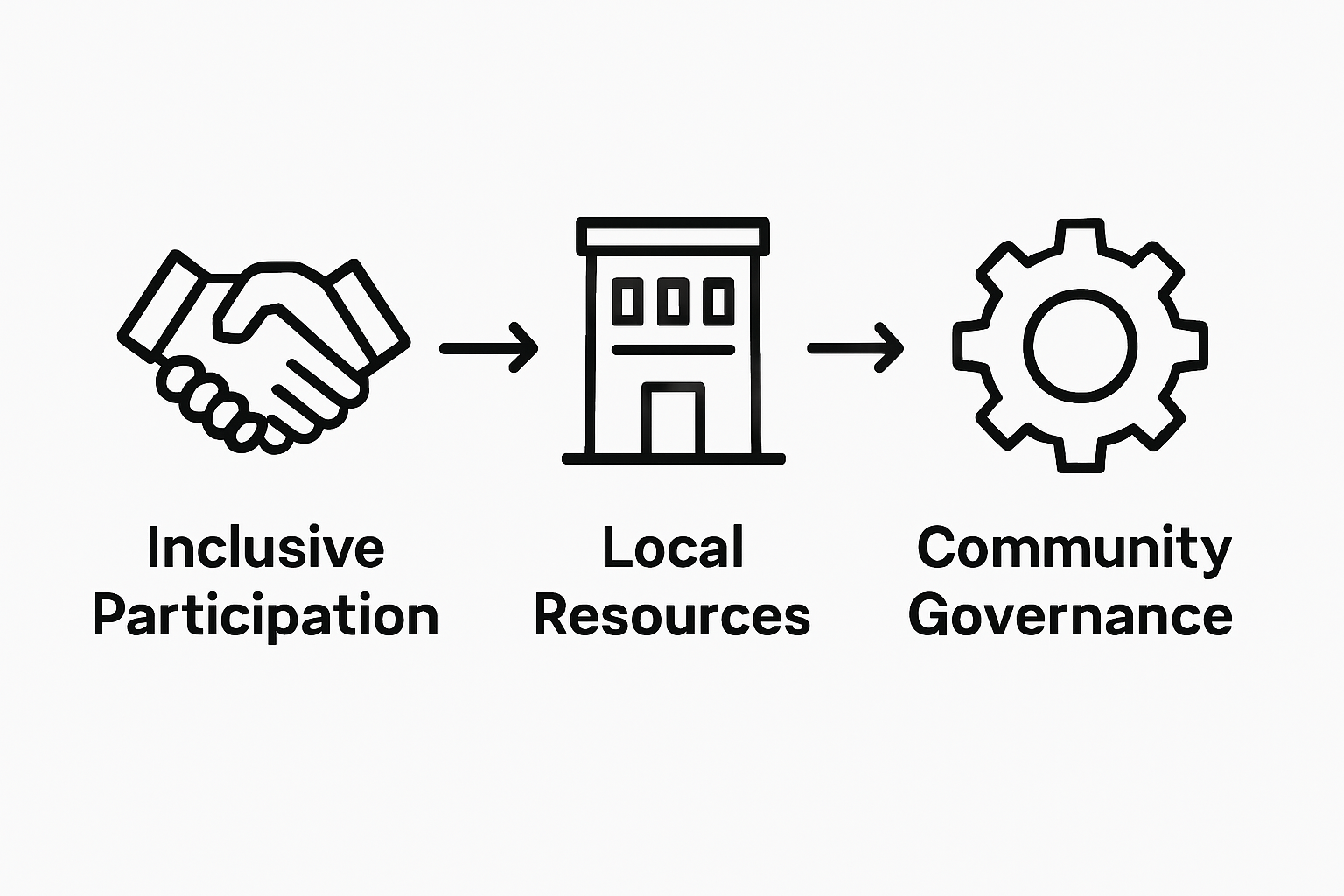
Key requirements for effective participation include:
Personal Preparation:
- Openness to learning and collaboration
- Willingness to share experiences
- Respect for diverse perspectives
- Commitment to community goals
- Basic communication skills
Organizational Requirements:
- Clear mission and objectives
- Transparent decision-making processes
- Inclusive membership policies
- Regular community feedback mechanisms
- Sustainable funding strategies
Participation Best Practices:
- Attend community meetings regularly
- Volunteer for specific hub initiatives
- Provide constructive feedback
- Collaborate across different community groups
- Share skills and resources
Successful community hub participation transforms individual contributions into collective strength, creating resilient and interconnected local environments where everyone has an opportunity to grow and contribute.
Empower Your Community Connections with Waterlooville.co
Building strong community hubs relies on access to trusted local resources and information that bring residents together. Challenges like limited service visibility and fragmented support networks can make it hard to fully engage with essential programs described in the article such as health services, educational workshops, and social integration activities. Waterlooville.co helps solve these problems by providing a comprehensive and easy-to-navigate platform dedicated to fostering community engagement and connection within Waterlooville and its surrounding areas.
Discover trusted local businesses and services with verified customer reviews, contact details, and locations that can support your personal and family needs. Whether you are looking for healthcare providers to complement wellness programs, places to attend educational events, or local shops that prioritize community values, Waterlooville.co is your go-to guide for building a stronger local network.

Start enhancing your community experience today by exploring Waterlooville.co. Connect with valuable resources and businesses that embody the spirit of local partnership described in the article. Visit the website now and take the first step toward becoming an active participant in your community hub.
Frequently Asked Questions
What are community hubs?
Community hubs are multi-purpose centers designed to bring local residents together through various accessible services and collaborative opportunities. They serve as integrated service centers that address the specific needs of a community.
What types of services do community hubs typically offer?
Community hubs provide a range of services, including health and wellness programs, educational support, social integration initiatives, and practical resource connections, all aimed at enhancing the quality of life for local residents.
How do community hubs empower local residents?
Community hubs empower residents by improving access to essential services, fostering social support networks, enabling personal development opportunities, and promoting cultural understanding and integration within the community.
What are some best practices for participating in community hub activities?
Best practices for participation include attending community meetings regularly, volunteering for specific initiatives, providing constructive feedback, and collaborating across different community groups to enhance collective strength.
Recommended
- Blog - Waterlooville News, Tips & Community Stories | Waterlooville.co
- Areas We Cover | Waterlooville Directory | Waterlooville.co
- Waterlooville High Street - Waterlooville Directory | Waterlooville.co
- Waterlooville Town Centre - Waterlooville Directory | Waterlooville.co
- How to Join Art Communities: Connect and Collaborate in 2025 – The Mansion Press
- Why Join Crochet Communities: Complete Guide for Crafters – CRAFTISS
- 7 Ways To Use Facebook Groups To Promote Your Business