
Community Projects Explained: Types, Benefits, and Involvement
Community projects explained, including key types, benefits, success factors, and how to get involved. A comprehensive guide for Waterlooville residents.
Community Projects Explained: Types, Benefits, and Involvement
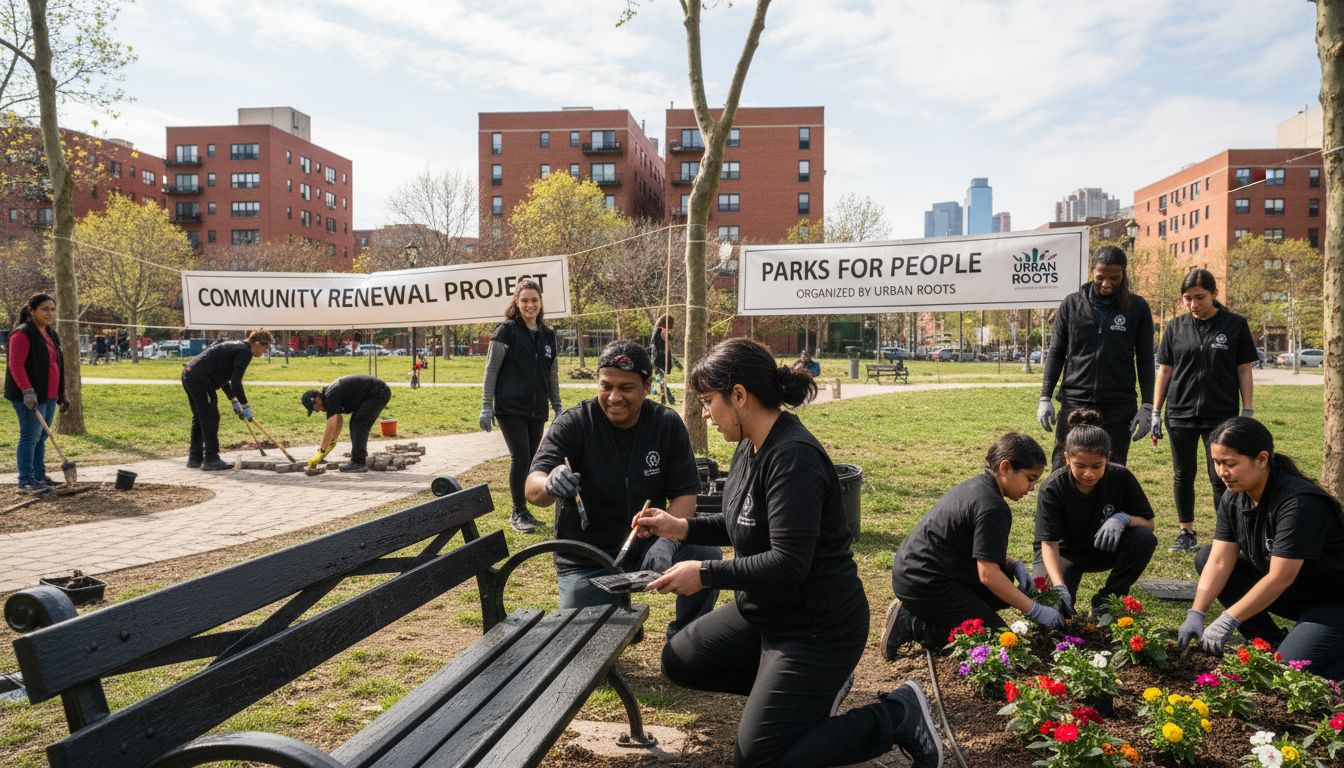
Did you know that communities with active local projects report up to 25 percent higher satisfaction with their quality of life compared to those without? When neighbors come together to tackle shared challenges, real changes start to happen. Community projects bring people closer, drive economic growth, and help solve issues that matter most. By understanding what sets these projects apart, you can see how local action shapes stronger, more resilient neighborhoods.
Table of Contents
- What Defines A Community Project
- Major Types Of Community Projects
- Key Benefits For Local Communities
- Planning And Running Successful Projects
- How To Join Or Start A Project
Key Takeaways
| Point | Details |
|---|---|
| Community Projects | Aimed at improving social, economic, and environmental conditions through participatory, sustainable approaches. |
| Project Types | Diverse initiatives focus on infrastructure, economic empowerment, education, and healthcare to meet critical community needs. |
| Benefits | Facilitate economic revitalization, enhance social connections, and improve overall quality of life within communities. |
| Project Planning | Success hinges on comprehensive needs assessments, clear goal setting, and inclusive stakeholder engagement for sustainable impacts. |
What Defines a Community Project
A community project is more than just a simple neighborhood initiative - it’s a strategic effort designed to create meaningful improvements in social, economic, and environmental conditions within a specific local area. According to research from the Funds for NGOs, these projects are characterized by their participatory approach and commitment to sustainable development.
At its core, a community project involves collaborative efforts between local residents, organizations, and sometimes outside agencies working together to address specific challenges. As defined by educational research, community development is the process through which communities systematically plan, organize, and implement improvements to local resources, facilities, and economic conditions. These projects typically share several key characteristics:
- Collaborative Planning: Multiple stakeholders contribute their perspectives and expertise
- Needs Assessment: Careful evaluation of the community’s specific challenges and opportunities
- Sustainable Solutions: Focus on long-term improvements rather than temporary fixes
- Capacity Building: Empowering local residents with skills and resources
- Inclusive Approach: Ensuring all community members have opportunities to participate
Successful community projects recognize that real transformation happens when local people are actively involved in designing and implementing solutions. They go beyond simply providing external assistance and instead create pathways for residents to develop their own capabilities, strengthen social connections, and drive meaningful change from within their community.
Major Types of Community Projects
Community projects are diverse and multifaceted, addressing various critical needs within local environments. According to research from Funds for NGOs, these initiatives typically focus on four primary domains: infrastructure development, economic empowerment, education and skills training, and healthcare improvement.
Here’s a summary of the four major types of community projects and their primary focus areas:
| Project Type | Main Focus Areas | Example Activities |
|---|---|---|
| Infrastructure | Physical improvements Accessibility Environment |
Build parks Repair roads Upgrade water systems |
| Economic Empowerment | Local business support Job training Market access |
Microloans Entrepreneurship workshops Job fairs |
| Education & Training | Knowledge building Skill development |
Tutoring Literacy classes Vocational courses |
| Healthcare | Wellness Prevention Public health |
Health screenings Mental health workshops Immunization drives |
Infrastructure Projects form the foundational backbone of community development. These initiatives might involve constructing community centers, repairing roads, developing public parks, upgrading water and sanitation systems, or creating safe pedestrian walkways. Such projects directly enhance the physical environment and quality of life for residents, making neighborhoods more functional and accessible.
Economic community projects concentrate on creating opportunities and supporting local financial growth. These can include:
- Small Business Support: Providing microloans and entrepreneurship training
- Job Skills Programs: Offering vocational training and career development workshops
- Local Market Development: Creating platforms for artisans and small producers to sell their goods
- Employment Initiatives: Connecting residents with job opportunities and skill-matching services
Education and healthcare community projects represent critical investments in human capital. These programs might range from after-school tutoring and literacy campaigns to community health screenings, mental wellness workshops, and preventative medical education. By targeting knowledge and wellness, these projects aim to build long-term community resilience and individual empowerment, ultimately creating sustainable pathways for personal and collective advancement.
Key Benefits for Local Communities
Community projects are powerful catalysts for transformative local change, delivering multidimensional benefits that extend far beyond immediate improvements. According to research from Funds for NGOs, these initiatives fundamentally aim to empower community members by addressing their core needs and aspirations, creating sustainable pathways for collective advancement.
One of the most significant benefits is economic revitalization. By supporting local businesses, creating job training programs, and developing infrastructure, community projects stimulate economic growth from within. These efforts help generate employment opportunities, increase local income levels, and create a more resilient economic ecosystem that can withstand external challenges.

The social benefits of community projects are equally profound. These initiatives foster:
- Enhanced Social Connections: Building stronger neighborhood networks
- Increased Community Engagement: Encouraging active participation in local development
- Skill Development: Providing opportunities for personal and professional growth
- Improved Quality of Life: Creating better living environments and shared resources
Moreover, community projects contribute to long-term societal resilience by addressing critical challenges in education, healthcare, and social infrastructure. They create platforms for knowledge sharing, promote collective problem-solving, and empower residents to take ownership of their community’s development.
By investing in local capabilities and creating inclusive environments, these projects transform neighborhoods from passive spaces into dynamic, self-sustaining ecosystems of progress and mutual support.
Planning and Running Successful Projects
Successful community projects are built on strategic planning and thoughtful implementation. According to research from the Southern New England United Church of Christ, effective project development follows a structured approach that transforms initial ideas into meaningful community transformations.
The foundation of any successful community project is a comprehensive needs assessment. As highlighted by Funds for NGOs, this critical first step involves deeply understanding the specific challenges and aspirations of the community. This means conducting thorough research, engaging directly with local residents, and identifying precise gaps that the project can address. Effective community engagement isn’t just about collecting data - it’s about creating genuine dialogue and building trust.
Key steps for planning and executing community projects include:
- Clear Goal Setting: Define specific, measurable objectives
- Stakeholder Mapping: Identify and engage all relevant community members
- Resource Evaluation: Assess available financial, human, and material resources
- Collaborative Planning: Create inclusive decision-making processes
- Phased Implementation: Break project into manageable stages
- Continuous Monitoring: Regularly assess progress and adapt strategies
Sustainability is the ultimate hallmark of a successful community project.
This means designing initiatives that can continue generating positive impact even after initial funding or support ends. Successful projects invest in local capacity building, create transferable skills, and develop self-sustaining mechanisms that empower communities to continue driving their own development long after the original project team moves on.
How to Join or Start a Project
Getting involved in community projects can seem daunting, but there are numerous accessible pathways for individuals passionate about creating local change. According to research from the Southern New England United Church of Christ, starting a community project begins with having a clear vision and understanding of community needs.
For those looking to join an existing project, the most effective approach is active local networking. This means connecting with local community centers, neighborhood associations, nonprofit organizations, and municipal offices that often serve as hubs for community initiatives. Attend community meetings, follow local social media groups, and express genuine interest in contributing. Many organizations are constantly seeking volunteers with diverse skills - whether you’re good at administrative tasks, have technical expertise, or simply want to provide hands-on support.
If you’re inspired to start your own community project, consider these strategic steps:
- Identify a Specific Need: Research local challenges that require attention
- Conduct Initial Research: Understand existing resources and potential barriers
- Build a Core Team: Recruit individuals with complementary skills and shared passion
- Develop a Proposal: Create a clear, actionable plan with measurable objectives
- Seek Initial Funding: Explore grants, crowdfunding, or local sponsorship opportunities
- Start Small: Begin with pilot projects to demonstrate feasibility and impact
Successful community projects thrive on passion, persistence, and collaborative spirit. Remember that meaningful change doesn’t happen overnight. Be prepared to adapt your approach, learn from initial challenges, and remain committed to your community’s long-term well-being. Your willingness to take initiative can spark transformative improvements that benefit everyone around you.
Empower Your Community Projects with Local Support in Waterlooville
Understanding the power of community projects means recognizing the importance of collaboration, sustainability, and local engagement. Whether you are aiming to improve infrastructure, boost economic growth, or enhance education and healthcare, connecting with trusted local services can be a game changer. The challenge is often finding the right partners and resources to turn your vision into reality. Waterlooville.co offers a comprehensive guide to local businesses and services that can support your project from start to finish with reliable expertise and community spirit.

Start making an impact today by exploring our detailed business directory featuring local professionals in key areas like construction, training, and health services. Step into a thriving network that understands your goals for sustainable and inclusive growth. Discover how Waterlooville.co can help you build stronger community ties and access vital resources. Visit Waterlooville.co now to find trusted local support and take the first step toward lasting positive change.
Frequently Asked Questions
What is a community project?
A community project is a strategic initiative designed to improve social, economic, and environmental conditions within a local area through collaborative efforts from residents and organizations.
What are the main types of community projects?
The main types of community projects include infrastructure development, economic empowerment, education and skills training, and healthcare improvement, each focusing on specific community needs and goals.
What are the benefits of community projects for local communities?
Community projects provide various benefits such as economic revitalization, enhanced social connections, increased community engagement, skill development, and improved quality of life for residents.
How can I get involved in a community project?
To get involved, you can join existing projects by networking within local organizations, or you can start your own project by identifying a community need, building a team, and developing a clear plan for action.