
Community Safety Explained: Complete Guide
Comprehensive guide to community safety explained—covers its meaning, partnership models, local initiatives, legal roles, and technology in keeping communities safe.
Community Safety Explained: Complete Guide
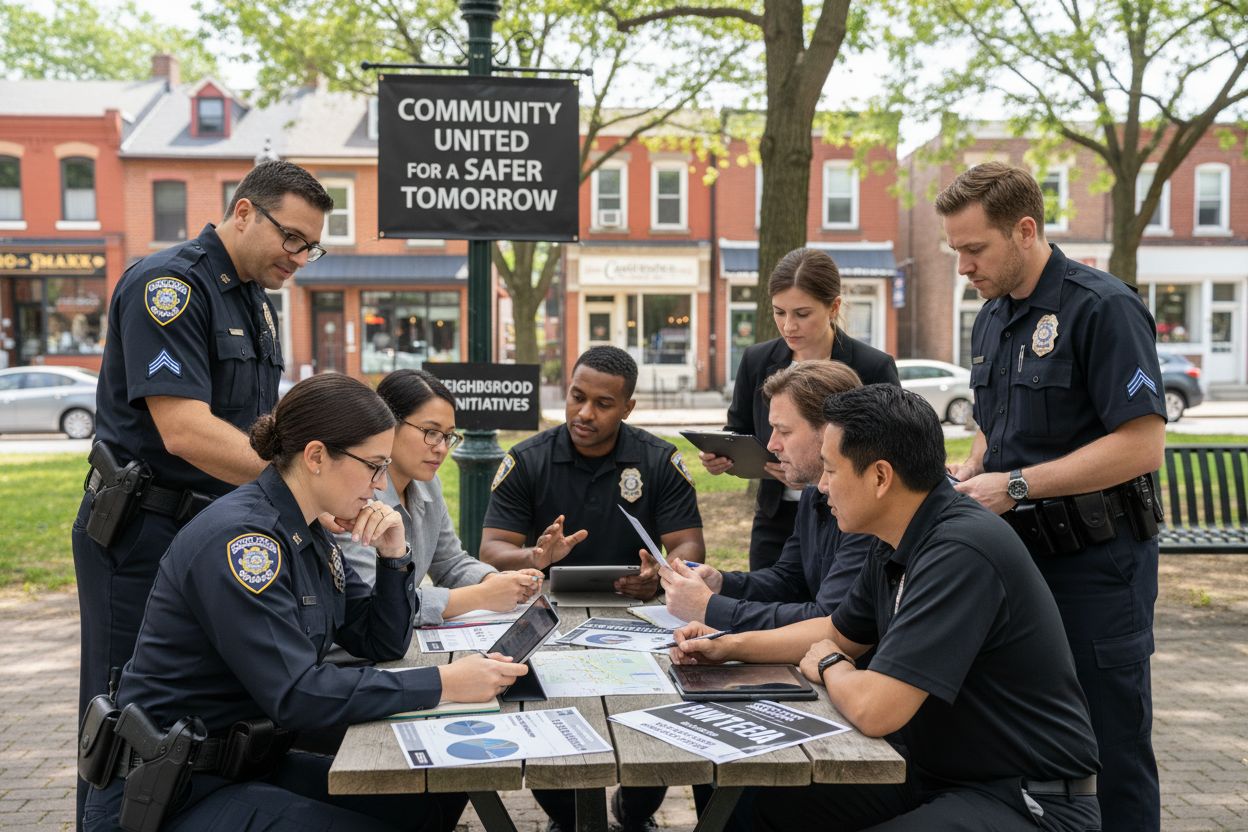
Did you know that communities with strong local partnerships experience up to 30 percent lower crime rates compared to isolated neighborhoods? Feeling truly safe means more than just locking doors or calling police. Real community safety weaves together trust, connection, and proactive teamwork among neighbors, agencies, and volunteers. Discover how clear definitions, strong relationships, and smart prevention tools help build environments where everyone feels secure and valued.
Table of Contents
- Defining Community Safety Clearly
- Exploring Community Safety Partnerships
- Local Prevention Initiatives And Volunteering
- Roles And Legal Powers In Safety
- Tech And Prevention Tools In Use
Key Takeaways
| Point | Details |
|---|---|
| Comprehensive Community Safety | Community safety encompasses proactive efforts to create secure environments, emphasizing social connections rather than solely preventing crime. |
| Collaborative Partnerships | Strategic partnerships among various organizations enhance community safety initiatives by addressing risks through shared resources and knowledge. |
| Local Engagement | Active involvement of residents through volunteering and local initiatives is crucial for effective community safety and fosters a sense of collective responsibility. |
| Technological Integration | Utilizing technology in safety strategies enhances communication and awareness, enabling communities to respond quickly to potential risks. |
Defining Community Safety Clearly
Community safety is more than just preventing crime - it’s about creating an environment where people feel secure, supported, and connected. Community safety involves a comprehensive approach that addresses potential risks while fostering positive social interactions and collective well-being.
According to the Center for Prevention Programs and Partnerships (CP3), community safety is defined as the coordinated efforts to prevent targeted violence and terrorism through strategic initiatives. These initiatives include comprehensive funding, specialized training, public awareness campaigns, and building collaborative partnerships across government agencies and local communities. The goal is proactive prevention rather than reactive response.
CP3’s approach is particularly innovative, drawing from public health principles to understand safety as a systemic challenge. Instead of treating safety as a purely law enforcement issue, this perspective focuses on identifying and addressing underlying risk and protective factors that contribute to potential threats. This means looking beyond immediate incidents to understand the complex social dynamics that influence community security.
At its core, community safety involves multiple interconnected strategies:
- Building strong neighborhood relationships
- Creating transparent communication channels
- Implementing preventative education programs
- Supporting mental health and social services
- Encouraging community engagement and mutual understanding
By viewing safety as a shared responsibility, communities can develop more resilient, supportive environments where everyone feels protected and valued.
Exploring Community Safety Partnerships
Community safety partnerships represent a collaborative approach to preventing potential threats and creating safer neighborhoods. These strategic networks bring together diverse organizations and stakeholders who share a common goal of proactively addressing safety challenges before they escalate.
According to the Center for Prevention Programs and Partnerships (CP3), these partnerships are crucial in building robust prevention networks that span multiple sectors. By collaborating with law enforcement, mental health professionals, educational institutions, and community leaders, these partnerships create comprehensive strategies for identifying and mitigating potential risks.
Regional Prevention Coordinators play a pivotal role in strengthening these collaborative efforts. As detailed in research from the Department of Homeland Security, these coordinators work to enhance community capacity through several key strategies:
- Increasing public awareness about potential safety risks
- Providing targeted resources to vulnerable communities
- Improving information sharing across different organizational networks
- Developing targeted prevention and intervention programs
- Creating platforms for cross-sector communication and collaboration
The power of these partnerships lies in their holistic approach. Rather than treating safety as a siloed issue, they recognize that preventing targeted violence requires understanding complex social dynamics, addressing underlying risk factors, and creating supportive community environments where individuals feel connected and supported.
Local Prevention Initiatives And Volunteering
Community prevention is most powerful when local residents actively engage and contribute their time, skills, and passion toward creating safer neighborhoods. Volunteering transforms abstract safety concepts into tangible, meaningful actions that directly impact community well-being.
One innovative example of local prevention is the Know2Protect campaign, which demonstrates how strategic partnerships can empower communities. According to the Department of Homeland Security, this initiative collaborates with organizations like the Boy Scouts of America to share critical knowledge about online safety, particularly focusing on preventing child exploitation. By engaging youth and parents directly, these programs create layers of awareness and protection.
Local prevention initiatives typically focus on several key strategies that make meaningful differences:
- Developing youth mentorship programs
- Creating neighborhood watch groups
- Offering free safety training workshops
- Supporting mental health resources
- Establishing community dialogue platforms
- Training volunteers in conflict resolution techniques
Successful volunteering goes beyond simply donating time - it’s about building connections, understanding local challenges, and working collaboratively to address potential risks. By participating in these initiatives, individuals not only contribute to community safety but also develop a sense of collective responsibility and mutual support.

Roles And Legal Powers In Safety
Community safety requires a complex network of roles and legal frameworks that define how different organizations protect and support local populations. Understanding these roles helps residents recognize how various agencies work together to prevent potential threats and maintain community well-being.
According to the Center for Prevention Programs and Partnerships (CP3), their core mission involves strengthening national prevention capabilities through strategic approaches. These approaches include targeted funding, specialized training, public awareness campaigns, and building collaborative partnerships across government agencies and local communities. This comprehensive strategy ensures that legal powers are exercised proactively rather than reactively.
Regional Prevention Coordinators play a critical role in implementing these safety strategies. Their legal powers and responsibilities typically encompass:
- Increasing public awareness about potential safety risks
- Coordinating information sharing between different agencies
- Developing targeted prevention and intervention programs
- Allocating resources to vulnerable community sectors
- Monitoring and assessing potential threat landscapes
The effectiveness of these roles depends on clear legal boundaries and collaborative frameworks.
While each agency has specific jurisdictional powers, the ultimate goal remains creating a unified approach to community protection that respects individual rights while maintaining collective security.
Tech And Prevention Tools In Use
Technology has transformed community safety approaches, providing innovative tools that enhance prevention, awareness, and rapid response capabilities. Modern prevention strategies leverage digital platforms to create more connected, informed, and proactive communities.
A prime example of technological innovation in prevention is the Know2Protect campaign, which demonstrates how digital platforms can be strategically used for public awareness. According to the Department of Homeland Security, this initiative effectively utilizes educational presentations and robust social media channels to spread critical messaging about online child exploitation. By meeting audiences where they already engage digitally, such campaigns can reach wider audiences more effectively than traditional communication methods.
Technology-driven prevention tools now encompass a range of sophisticated approaches:
- Real-time community alert systems
- Anonymous reporting mobile applications
- Predictive risk assessment software
- Digital safety training platforms
- Geospatial mapping of potential safety risks
- Machine learning threat detection algorithms
- Secure communication networks for emergency coordination
These technological solutions are not about replacing human judgment, but augmenting human capabilities. By providing instant information, facilitating quick communication, and offering data-driven insights, tech tools empower communities to anticipate, prevent, and respond to potential safety challenges more effectively and efficiently.
Here’s a comparison of key strategies across different community safety approaches:
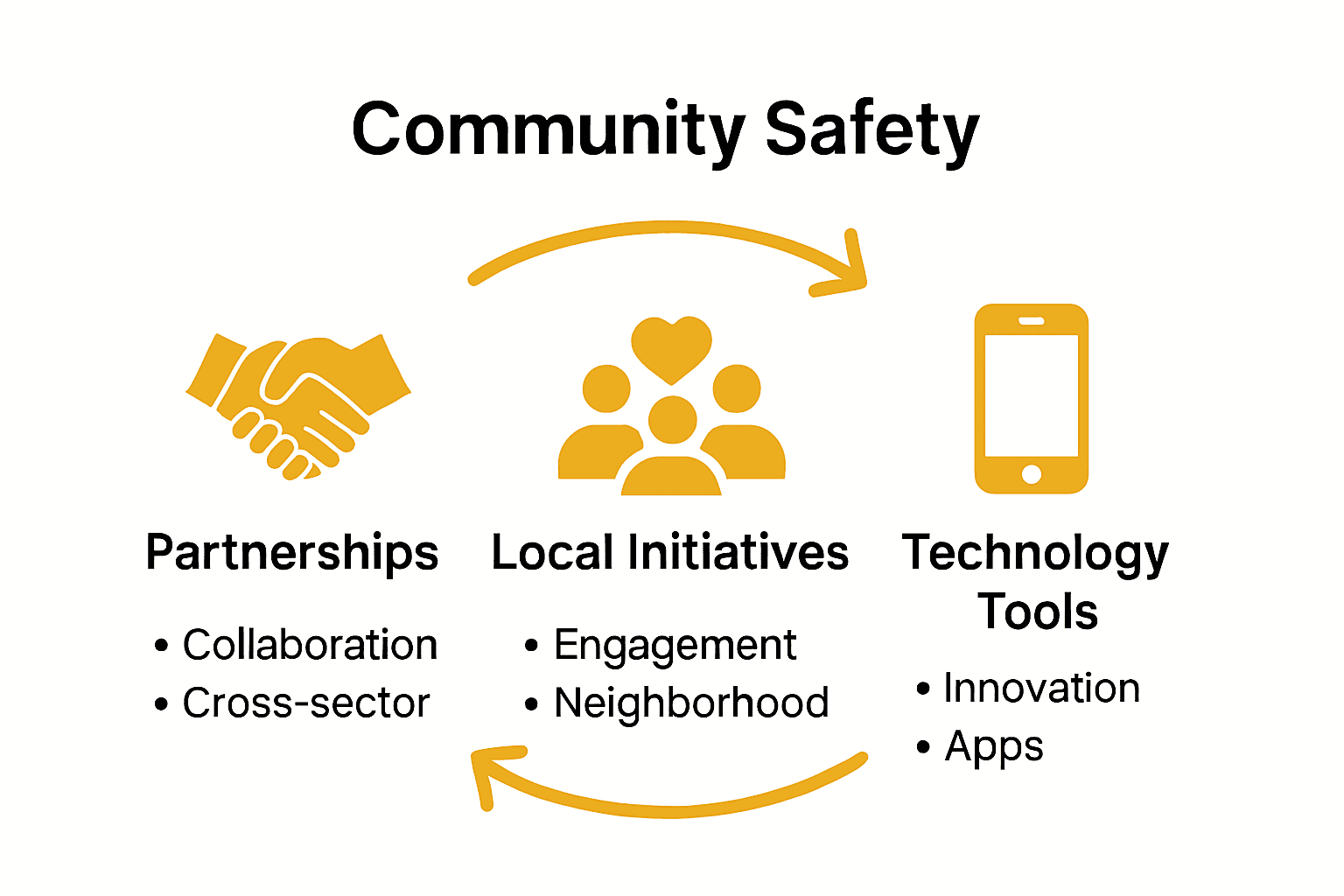
| Approach | Main Focus | Example Activities |
|---|---|---|
| Community Safety Partnerships | Collaboration & Coordination | Cross-sector networks Prevention program development |
| Local Prevention Initiatives | Resident Engagement Empowerment |
Youth mentorship Neighborhood watch Volunteer training |
| Tech & Prevention Tools | Technology-Driven Prevention | Alert systems Anonymous reporting apps Risk software |
Take Charge of Community Safety in Waterlooville Today
Understanding community safety means recognizing the importance of prevention, partnership, and local engagement. This article highlights how building strong neighborhood relationships and leveraging technology are key to creating a safer environment for everyone. If you are looking for trusted local support—from healthcare providers to essential services that help strengthen your neighborhood, Waterlooville.co offers comprehensive resources tailored to your community’s needs.

Discover how you can connect with nearby businesses, join local initiatives, or access safety-focused services today by visiting Waterlooville Local Guide. Empower yourself with real-time information and community support to make Waterlooville a safer place to live, work, and visit. Don’t wait to be part of the solution—explore Waterlooville Services now and start contributing to your community’s well-being.
Frequently Asked Questions
What is community safety?
Community safety refers to creating an environment where people feel secure and supported. It encompasses efforts to prevent violence, foster social interactions, and promote collective well-being through various initiatives and partnerships.
How do community safety partnerships work?
Community safety partnerships are collaborative networks involving diverse organizations that aim to address safety challenges proactively. By working together—such as law enforcement, mental health professionals, and community leaders—these partnerships develop comprehensive strategies to mitigate potential risks.
What are some local prevention initiatives?
Local prevention initiatives focus on engaging residents in activities that enhance community safety. Examples include youth mentorship programs, neighborhood watch groups, safety training workshops, and community dialogue platforms to foster understanding and cooperation among residents.
How has technology impacted community safety?
Technology has greatly enhanced community safety approaches by providing innovative tools for prevention and rapid response. Examples include real-time alert systems, anonymous reporting apps, and digital safety training platforms, which help communities stay informed and prepared for potential risks.
Recommended
- Blog - Waterlooville News, Tips & Community Stories | Waterlooville.co
- Editorial Articles | Waterlooville Directory | Waterlooville.co
- Local Businesses in Cowplain | Waterlooville Directory | Waterlooville.co
- Local Businesses in Waterlooville | Waterlooville Directory | Waterlooville.co
- Understanding Home Safety Check: Ensuring Your New Home Is Safe | Chicago Home Inspect LLC
- Understanding What is Emergency Evacuation and Its Importance