
How to Host Events That Engage Your Community
Learn how to host events step by step with actionable tips. Discover proven methods to plan, promote, and execute successful community gatherings.
How to Host Events That Engage Your Community
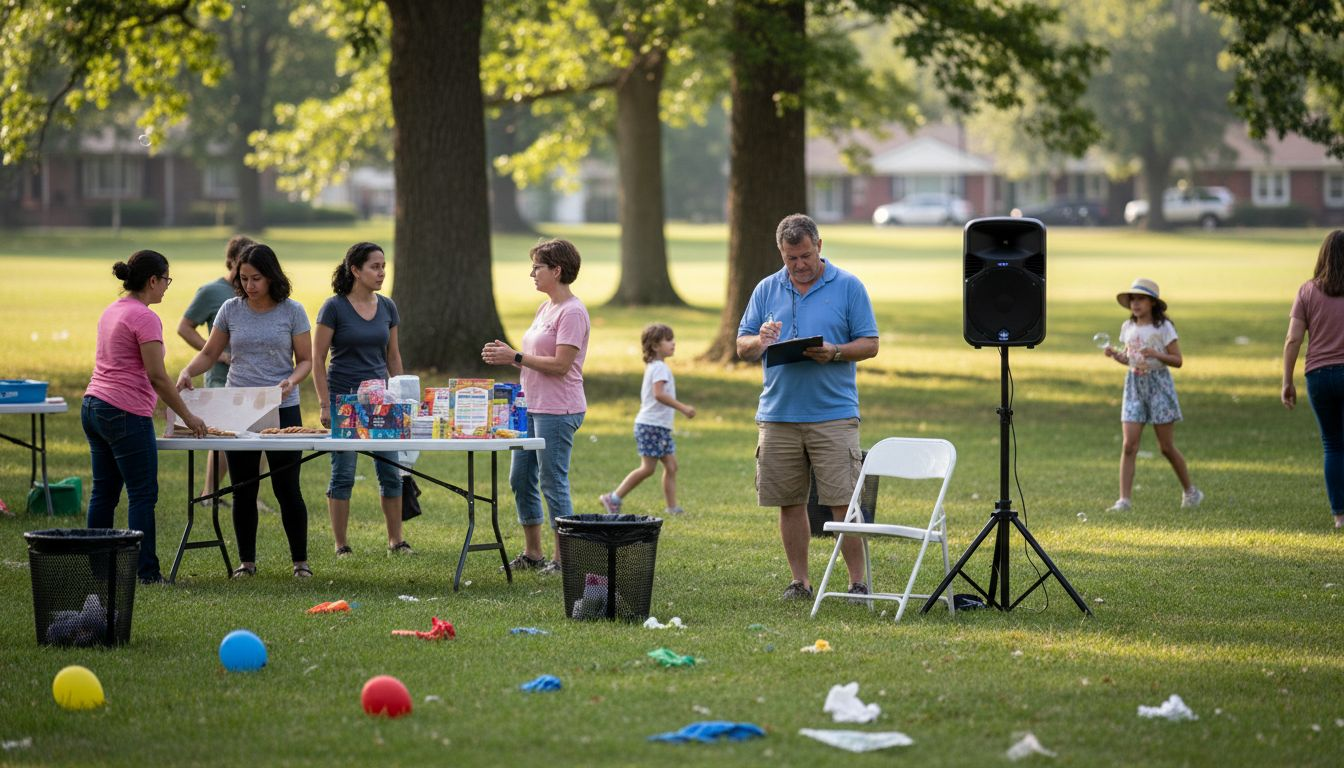
Most community events in Waterlooville attract less than half the local residents expected, even though many crave more connection. Organizers often look for inspiration from American community gatherings, known for their creativity and high participation rates. If you are aiming to turn your next event into a real community highlight, clear planning and fresh strategies can help you attract more neighbors, keep them engaged, and create lasting impact.
Table of Contents
- Step 1: Identify Goals And Requirements
- Step 2: Select The Perfect Local Venue
- Step 3: Organize Resources And Vendors
- Step 4: Promote Your Event Effectively
- Step 5: Execute And Oversee The Event
- Step 6: Gather Feedback And Evaluate Success
Quick Summary
| Key Point | Explanation |
|---|---|
| 1. Define Clear Objectives | Establish specific goals using the SMART criteria to ensure your event meets community needs effectively. |
| 2. Choose an Appropriate Venue | Select a venue that fits the event’s needs, is accessible, and creates a welcoming atmosphere for attendees. |
| 3. Organize Reliable Resources | Create a comprehensive list of vendors and support volunteers to enhance logistics and ensure smooth coordination. |
| 4. Promote Through Multiple Channels | Use a mix of digital and traditional marketing strategies to reach your target audience with engaging content. |
| 5. Gather Feedback for Improvement | Collect both quantitative and qualitative feedback to evaluate event impact and identify ways for future enhancements. |
Step 1: Identify Goals and Requirements
Successfully hosting an engaging community event starts with crystal clear planning. In this section, you’ll learn how to define precise objectives that will transform your gathering from ordinary to extraordinary.
Begin by understanding the core purpose of your event. Are you aiming to bring neighbors together, raise awareness about a local issue, or celebrate a community milestone? Defining clear objectives requires careful consideration of your target audience and desired outcomes. Consider creating SMART goals: Specific, Measurable, Achievable, Relevant, and Time-bound. This means moving beyond vague aspirations like “bring people together” to concrete targets such as “host a neighborhood cleanup event that engages 50 local residents within three hours”.
To refine your goals, start by gathering input from potential participants. Send out quick surveys, chat with community leaders, and listen to what matters most to local residents. Your event should solve a problem or fulfill a need that your community genuinely cares about. This approach ensures higher engagement and more meaningful connections.
Pro tip: Always build flexibility into your event goals, allowing room for unexpected opportunities and community feedback that might emerge during planning.
Step 2: Select the Perfect Local Venue
Choosing the right location can make or break your community event. This section will guide you through selecting a venue that not only fits your event goals but also creates a welcoming atmosphere for participants.
Start by thoroughly assessing venue capabilities that align with your specific event requirements. Consider critical factors like capacity, accessibility, technological infrastructure, and overall ambiance. Your venue should comfortably accommodate your expected number of attendees while providing necessary amenities. Think about practical elements such as parking availability, public transportation access, restroom facilities, and sound systems. Some venues might offer additional benefits like built-in audiovisual equipment or flexible room configurations that could enhance your event experience.

Remember that the perfect venue goes beyond mere physical specifications. It should reflect the spirit of your community gathering and create an environment where participants feel comfortable and engaged. Spend time visiting potential locations, asking detailed questions about their capabilities, and imagining how your specific event would unfold in each space. Local community centers, school halls, libraries, and church meeting rooms often provide excellent and affordable options for neighborhood events.
Here’s a comparison of typical community event venues to help you choose the best fit:
| Venue Type | Capacity Range | Accessibility Features | Cost Considerations |
|---|---|---|---|
| Community Center | 50–200 people | Wheelchair ramps, elevators | Usually low rental fees |
| School Hall | 100–500 people | Large parking, restrooms | Requires booking, moderate |
| Library Meeting Room | 10–50 people | Central location, elevators | Often free for residents |
| Church Room | 30–150 people | Restrooms, ample parking | Donation or low rental cost |
Pro tip: Always visit potential venues during the same time of day your event will occur to understand lighting, acoustics, and potential noise challenges.
Step 3: Organize Resources and Vendors
Successfully managing the logistics of your community event requires strategic planning and coordination. This section will help you navigate the complex process of assembling the right resources and vendors to bring your event vision to life.
Coordinating community event logistics demands careful vendor selection and resource management. Start by creating a comprehensive list of required vendors and services specific to your event type. This might include catering companies, audiovisual technicians, rental equipment providers, decorators, and volunteers. Research local vendors thoroughly checking their reputation, previous event experience, and ability to meet your specific needs. Develop clear contracts that outline expectations, pricing, delivery timelines, and contingency plans. Consider establishing relationships with multiple vendors to ensure backup options in case of last minute cancellations.
Prioritize building a network of reliable volunteers who can support various aspects of your event. Assign specific roles and responsibilities to each volunteer, ensuring they understand their tasks and have the necessary training or resources to execute them effectively. Look for individuals with complementary skills who can work together seamlessly. Remember that clear communication and well defined expectations are key to creating a smooth event experience.
Pro tip: Create a detailed vendor and resource spreadsheet that includes contact information, contract details, payment schedules, and backup contact options to streamline your event management process.
Step 4: Promote Your Event Effectively
Successful event promotion is about creating excitement and reaching the right audience. This section will walk you through strategies that transform your event from a simple gathering into a must attend community experience.
Creating localized event promotion strategies requires a multifaceted approach that combines digital and traditional marketing channels. Start by developing a compelling narrative about your event that highlights its unique value to the community. Craft messages that speak directly to local interests and potential participant benefits. Utilize social media platforms to create event pages, share engaging content, and encourage community members to spread the word. Local community boards both online and physical provide excellent opportunities for free advertising. Consider reaching out to local newspapers, community radio stations, and neighborhood newsletters to amplify your event’s visibility.
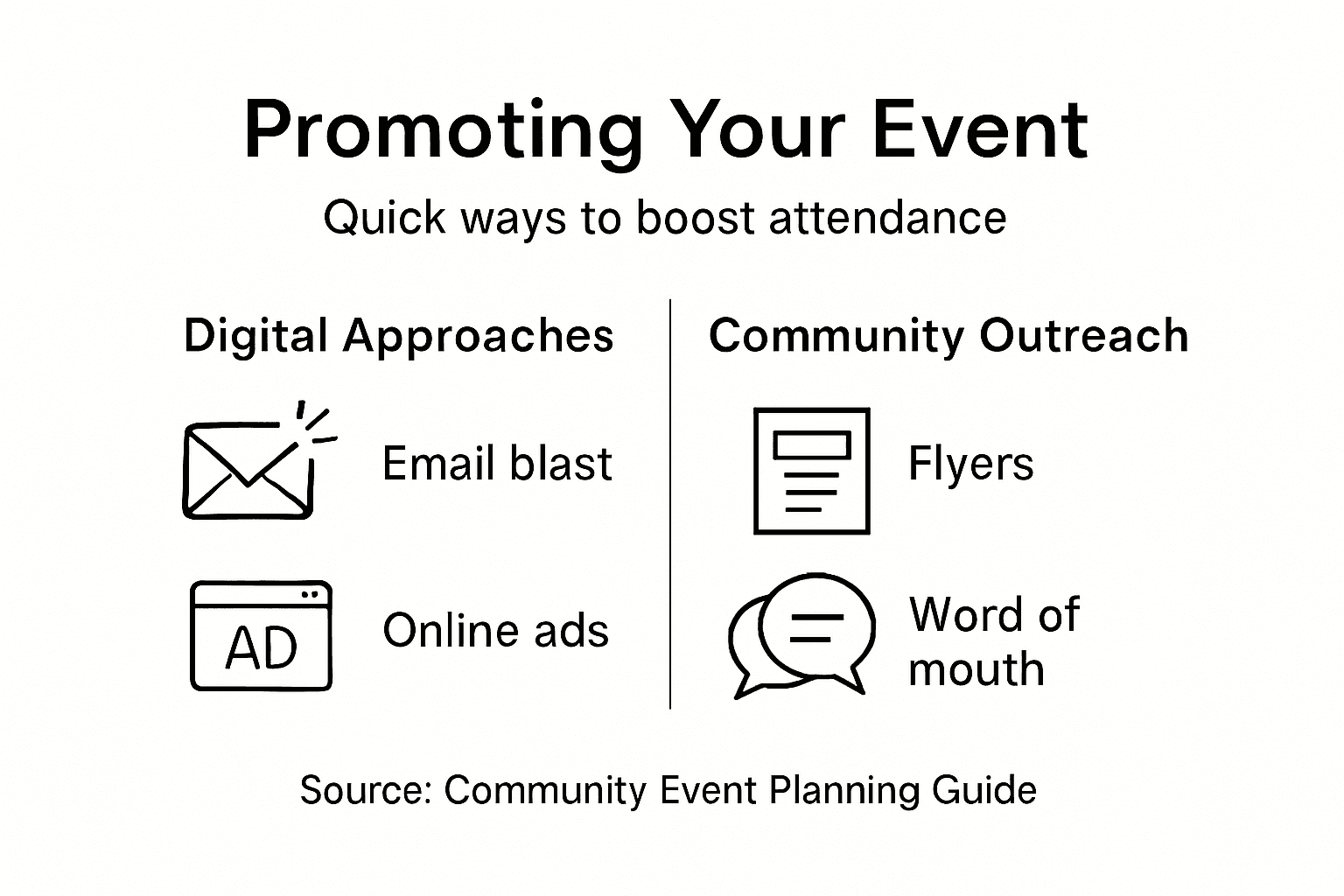
Dont stop at digital promotion. Personal connections are powerful marketing tools in community events. Engage local community leaders, neighborhood associations, and relevant local groups to help spread information. Create eye catching flyers and posters that can be distributed in high traffic areas like coffee shops, libraries, community centers, and local businesses. Leverage existing community networks and encourage word of mouth promotion by making your event sound genuinely exciting and meaningful.
Pro tip: Create a unique event hashtag and encourage early registered participants to share it on their social media platforms to generate organic buzz and expand your event’s reach.
Step 5: Execute and Oversee the Event
The moment of truth has arrived. Your careful planning now transforms into a live community experience that will bring people together and create lasting memories.
Coordinating event management strategies requires strategic leadership and real-time problem solving. Assign clear roles to your team members before the event starts. Have a designated point person for specific areas like registration, technical setup, guest management, and emergency coordination. Create a detailed timeline with minute-by-minute breakdowns of critical activities. Ensure everyone understands their responsibilities and has backup support. Arrive at the venue early to conduct final equipment checks, verify setup configurations, and handle any unexpected logistical challenges.
Stay flexible and calm during the event. Even with meticulous planning, unexpected situations will arise. Maintain open communication channels with your team, allowing quick adjustments and seamless problem resolution. Monitor participant engagement, gather immediate feedback, and be prepared to make real-time modifications to keep the event running smoothly. Watch for opportunities to enhance participant experience and address any emerging needs proactively. Your ability to remain composed and responsive will significantly impact the overall event success.
Pro tip: Create a dedicated group chat or communication channel for your event team to enable instant coordination and rapid response to any unexpected challenges.
Step 6: Gather Feedback and Evaluate Success
The final step of your event journey is understanding its true impact and learning opportunities. This crucial phase transforms your event from a one time occurrence into a valuable community learning experience.
Collecting comprehensive event feedback requires a strategic and multifaceted approach. Design feedback mechanisms that capture both quantitative and qualitative insights. Develop short surveys with a mix of rating scales and open ended questions that allow participants to share detailed perspectives. Consider using digital tools like Google Forms or Survey Monkey to streamline data collection. Distribute these surveys immediately after the event while experiences are fresh in participants minds. Include questions that assess overall satisfaction, specific event elements, and suggestions for future improvements.
Beyond formal surveys, create multiple channels for feedback. Set up a dedicated email address, social media hashtag, or physical comment box where participants can share thoughts. Schedule follow up conversations with key stakeholders and community leaders to gain deeper insights. Analyze the collected data objectively looking for patterns, recurring themes, and actionable recommendations. Document your findings comprehensively and share key learnings with your organizing team and broader community to demonstrate transparency and commitment to continuous improvement.
The following table summarizes effective feedback collection methods after your event:
| Collection Method | Type of Insights | Key Advantages |
|---|---|---|
| Digital Surveys | Quantitative & qualitative | Fast distribution, easy analysis |
| Comment Boxes | Qualitative | Anonymity, encourages honest input |
| Email Follow-ups | Qualitative | Personalized feedback, deeper detail |
| Stakeholder Meetings | In-depth qualitative | Engaged discussion, actionable ideas |
Pro tip: Schedule a post event debrief meeting within one week of the event to review feedback while details are still fresh and momentum is high.
Bring Your Community Event to Life with Local Support in Waterlooville
Planning an event that truly engages your neighbors can be challenging. Whether you are defining clear goals or selecting the perfect venue, every detail matters to create a memorable experience. Finding trusted local vendors and promoting your event effectively are key steps discussed in the article that often leave organizers feeling overwhelmed. Waterlooville.co helps you overcome these hurdles by connecting you with reliable local businesses and service providers who understand our community’s unique needs.

Explore our comprehensive community guide to discover endorsed venues and trusted caterers ready to support your neighborhood gathering. Access detailed listings for shops, services, and more to streamline your event planning process. Act now to tap into Waterlooville’s vibrant local network and build an event that not only engages but also strengthens your community bonds. Visit Waterlooville.co and start planning your next successful community event today.
Frequently Asked Questions
How do I identify my community event goals?
Begin by understanding the core purpose of your event, whether it’s to bring neighbors together or raise awareness about a local issue. Create SMART goals—specific, measurable, achievable, relevant, and time-bound—to set clear objectives like engaging 50 local residents in a neighborhood cleanup within three hours.
What factors should I consider when selecting a venue for my community event?
Choose a venue that aligns with your event goals and can comfortably accommodate your expected attendees. Consider factors such as capacity, accessibility, amenities, and ambiance to ensure the location creates a welcoming atmosphere for participants.
How can I effectively promote my community event to ensure high attendance?
Utilize a combination of digital and traditional marketing channels to create excitement. Craft a compelling narrative about your event and share it on social media, local newsletters, and community bulletin boards to reach your target audience and encourage word of mouth.
What logistics do I need to coordinate for my community event?
Create a checklist of required resources and vendors, including catering and audiovisual services. Develop clear contracts with your vendors and assign specific roles to volunteers, ensuring everyone understands their responsibilities for a smooth event execution.
How do I collect feedback after my community event?
Design feedback mechanisms such as digital surveys and comment boxes to capture participant insights. Distribute surveys immediately after the event to gather both quantitative and qualitative data, enabling you to analyze feedback effectively and apply it to future gatherings.
Recommended
- Blog - Waterlooville News, Tips & Community Stories | Waterlooville.co
- Things To Do In Waterlooville - Waterlooville Directory | Waterlooville.co
- Leigh Park - Waterlooville Directory | Waterlooville.co
- Waterlooville News - Waterlooville Directory | Waterlooville.co
- Fresh Ways to Rethink Outdoor Entertaining | Simple Neat Home
- 7 Community Involvement Ideas for Moving Homeowners - Onyx Removals