
How to Report Community Issues for Lasting Change
Discover how to report community issues step by step, empowering Waterlooville residents to address local concerns and improve neighborhood safety and engagement.
How to Report Community Issues for Lasting Change
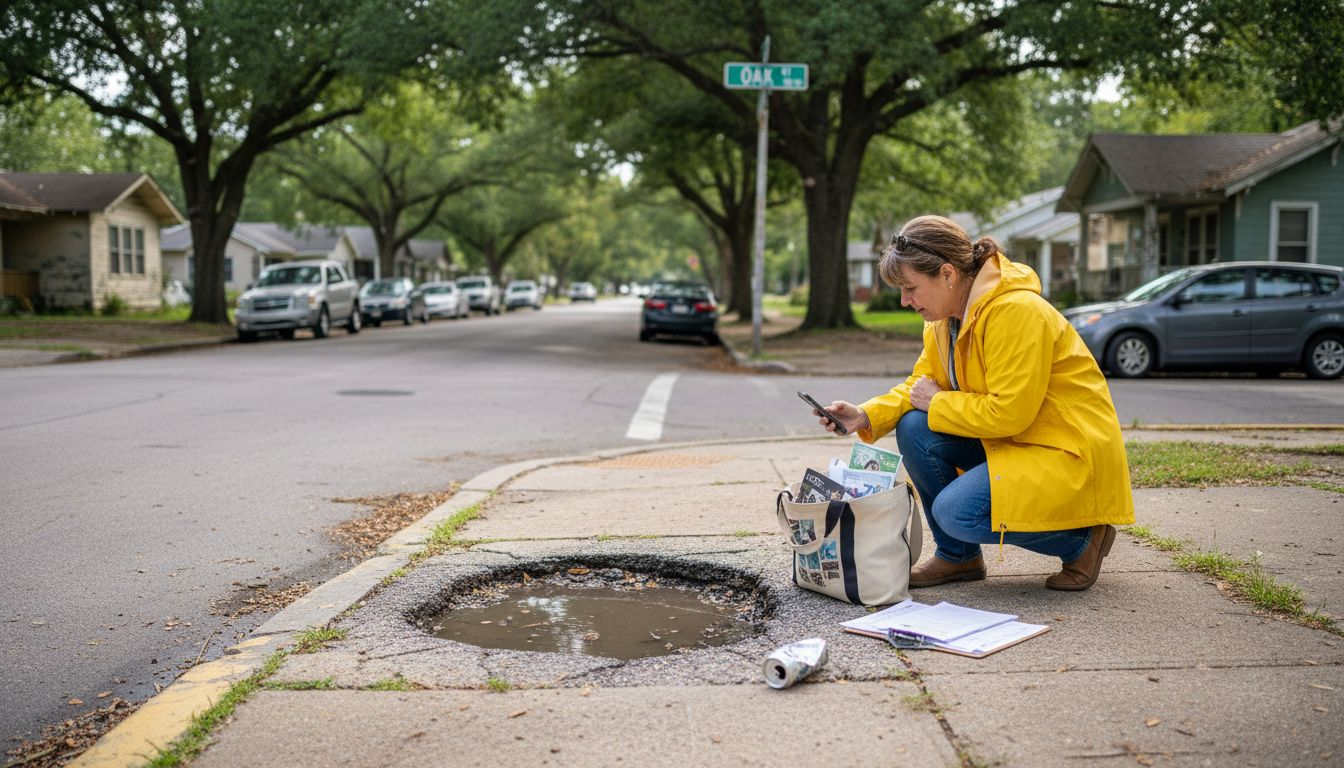
Every year, hundreds of american and British families in Waterlooville face everyday frustrations like broken streetlights and road hazards. These small problems can make parents worry about safety and leave community activists feeling unheard. Learning how to report issues clearly and effectively gives you real power to improve your local area and protect your loved ones. Discover practical steps for gathering evidence, choosing the right channels, and making your community’s voice count.
Table of Contents
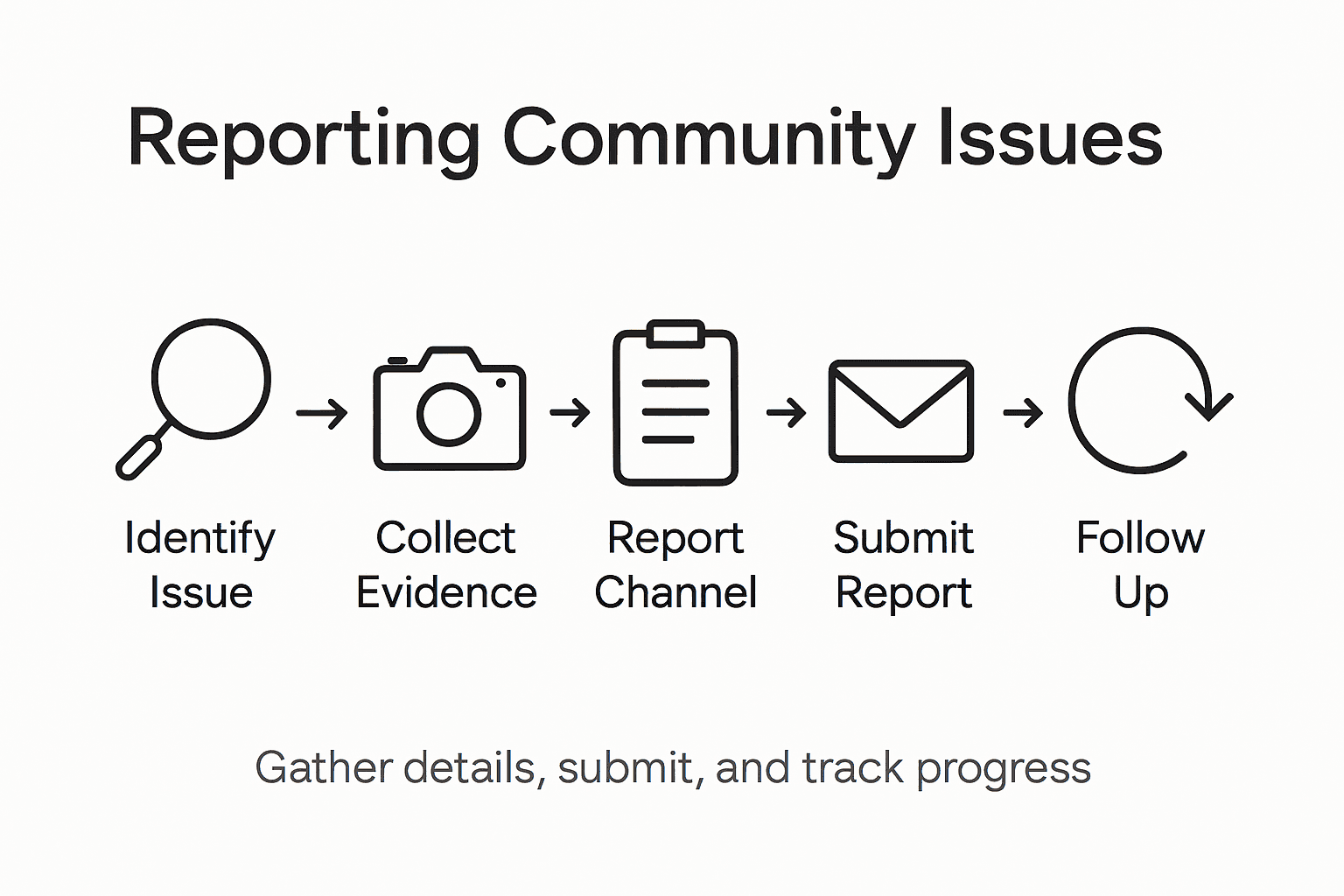
- Step 1: Identify the Community Issue Clearly
- Step 2: Collect Relevant Information and Evidence
- Step 3: Select the Appropriate Reporting Channel
- Step 4: Submit Your Community Issue Report
- Step 5: Follow Up and Monitor Progress
Quick Summary
| Key Point | Explanation |
|---|---|
| 1. Clearly Identify the Issue | Transform vague concerns into specific observations using context and detailed documentation. |
| 2. Gather Solid Evidence | Compile multiple types of credible evidence, including photographs and measurements, to support your observations. |
| 3. Choose the Right Reporting Channel | Match your issue to the appropriate communication method for effective resolution based on urgency. |
| 4. Submit a Detailed Report | Provide clear, factual descriptions and attach evidence to ensure local authorities understand the problem. |
| 5. Follow Up Regularly | Maintain communication and check the status of your report to ensure accountability and prompt action. |
Step 1: Identify the Community Issue Clearly
Reporting community problems begins with pinpointing exactly what needs attention. Your goal in this first step is to transform a vague concern into a specific, actionable observation that local authorities can understand and address.
Start by gathering concrete details about the issue. Walk the area, take photographs, and document precise locations. If you notice a pothole on Winchester Road near the roundabout, note its exact dimensions, depth, and potential traffic impact. For safety concerns like broken streetlights, record the specific street address, pole number if visible, and times of darkness when the problem is most pronounced. Be as descriptive as possible, creating a clear snapshot that helps municipal workers quickly comprehend the problem.
Record your observations systematically. Use your smartphone to create a digital log with timestamps, descriptions, and visual evidence. A comprehensive report increases the likelihood of swift resolution. Stick to observable facts rather than emotional language, which can undermine your credibility.
Pro tip: Take clear, well-lit photographs that show the issue in context, including surrounding landmarks to help officials precisely locate the problem.
Step 2: Collect Relevant Information and Evidence
Gathering solid evidence is crucial for transforming your community concern into an actionable report that local authorities will take seriously. This step involves systematically documenting the issue with credible, verifiable information that supports your observation.
Start by collecting multiple types of evidence. If the problem involves infrastructure damage like road deterioration, measure the specific dimensions using a tape measure and photograph the area from multiple angles. For noise complaints or safety issues, consider recording timestamps, decibel levels using smartphone apps, and noting specific dates and times when the problem occurs most frequently. Community reporting platforms recommend including detailed context that helps officials understand the full scope of the problem.
Organize your evidence methodically. Create a digital folder on your smartphone or computer where you compile photographs, measurements, witness statements, and any additional documentation. Include clear, well-lit images that show the problem in context, with identifiable landmarks or street signs to help pinpoint the exact location. If multiple community members are experiencing the same issue, consider collecting their statements or signatures to strengthen your report.

Pro tip: Always backup your digital evidence to cloud storage or an external drive to prevent accidental loss of important documentation.
Here’s a summary of effective evidence types for different community issues:
| Issue Type | Most Useful Evidence | Example Measurement |
|---|---|---|
| Road Damage | Photos, tape measure | Pothole: diameter, depth |
| Broken Streetlight | Photos, street address | Pole number, time of outage |
| Noise Complaint | Audio recordings, logs | Decibel level, timestamps |
| Repeated Incidents | Witness statements | Multiple dates, signatures |
Step 3: Select the Appropriate Reporting Channel
Choosing the right reporting method can significantly impact how quickly and effectively your community issue gets addressed. Your goal is to match the specific problem with the most suitable communication channel that will ensure your concern reaches the right municipal department.
Waterlooville offers multiple reporting channels depending on the nature of your issue. For infrastructure problems like road damage or streetlight outages, the local council website typically provides online reporting forms specific to different service categories. Urgent safety concerns might require direct phone contact with local authorities, while less critical issues can be submitted through digital platforms. Consider the problem urgency and complexity when selecting your communication method. A broken streetlight might need an immediate phone call, whereas a noisy neighborhood complaint could be effectively handled through an online submission.
Take time to research the most direct reporting pathway for your specific issue. Some problems might require multiple communication channels. For instance, a persistent neighborhood noise complaint might benefit from both an online report and a follow-up phone call to the local community services department. Document each communication attempt, including dates, contact names, and reference numbers, to create a paper trail that demonstrates your proactive approach to resolving community concerns.
Pro tip: Keep a digital folder with screenshots of online submissions and copies of email correspondence to maintain a comprehensive record of your community reporting efforts.
The following table can help you decide which reporting method to use based on urgency and issue type:
| Issue Type | Most Effective Channel | Typical Response Time |
|---|---|---|
| Urgent Safety Risk | Phone call | Under 24 hours |
| Streetlight Outage | Online form or phone | 2-5 business days |
| Noise Complaint | Online form, follow-up | 3-7 business days |
| Infrastructure Damage | Online form | 1-2 weeks |
Step 4: Submit Your Community Issue Report
Submitting your community issue report requires precision and clarity to ensure municipal authorities understand and act on your concern. Your goal is to transform your carefully collected evidence into a compelling, actionable communication that motivates swift resolution.
When completing your report, be thorough and concise. Use the online reporting platform to input detailed information systematically. Include precise location details, attach your photographic evidence, and provide clear descriptions that explain the problem’s impact on community safety or infrastructure. Avoid emotional language and stick to objective, factual statements that demonstrate the issue’s significance. For instance, instead of writing “This pothole is terrible,” describe its exact dimensions, potential vehicle damage risks, and how it affects traffic flow.
After submission, keep copies of all documentation and note the reference number provided by the reporting system. Follow up within a week if you haven’t received an acknowledgment, and be prepared to escalate through additional channels if necessary. Remember that persistent, professional communication increases the likelihood of your issue being addressed effectively.
Pro tip: Take screenshots of your online submission and save the confirmation page as additional proof of your proactive community engagement.
Step 5: Follow Up and Monitor Progress
Tracking the status of your community issue report is crucial to ensuring meaningful resolution and demonstrating your commitment to positive neighborhood change. Your persistence can transform a potential bureaucratic roadblock into a constructive dialogue with local authorities.
Utilize the community reporting platform to check your issue’s current status regularly. Set calendar reminders to follow up every seven to ten days if you have not received an update. When communicating with municipal departments, maintain a professional and courteous tone. Document each interaction including dates, names of officials spoken with, and key discussion points. If initial channels seem unresponsive, be prepared to escalate your concern to higher administrative levels or local council representatives who can provide more direct intervention.
Consider connecting with other community members who might be experiencing similar issues. Collective reporting can amplify your concern and increase the likelihood of prompt action. Neighborhood groups or local social media platforms can be excellent resources for building collaborative support and sharing information about community improvement efforts.
Pro tip: Create a dedicated digital folder to store all correspondence, tracking numbers, and communication records related to your community issue report for future reference.
Take Action on Community Issues with Trusted Local Support
Reporting community problems like unsafe streetlights or road damage can feel overwhelming. The article lays out clear steps to gather evidence and choose the right channels for effective communication. But turning knowledge into lasting change also means having easy access to reliable local services and community resources that help strengthen Waterlooville’s neighborhoods.
Waterlooville.co is your go-to platform for staying connected and informed. Whether you need trusted contractors, want to find local businesses offering essential repairs, or wish to engage with community initiatives, our comprehensive guide empowers you to take control of local improvements. Don’t wait until small issues escalate—discover how you can support and contribute to a better Waterlooville today.
Explore local businesses and services to find the expert help you need for community issues and more.

Start making a tangible impact by leveraging trusted local resources. Visit Waterlooville.co now to find service providers, stay informed about community updates, and become an active part of lasting neighborhood change.
Frequently Asked Questions
How can I clearly identify a community issue to report?
To clearly identify a community issue, gather specific details such as location, dimensions, and potential impacts. Walk the area, take photographs, and create a systematic log of your observations to provide a clear snapshot for local authorities.
What types of evidence should I collect when reporting community issues?
Collect various types of evidence such as photographs, measurements, timestamps, and witness statements. Organize these materials in a digital folder to easily compile a comprehensive report that supports your observation.
Which reporting method should I choose for my community issue?
Select a reporting method that matches the urgency and nature of your issue. For urgent safety risks, a direct phone call is often best, while less urgent concerns can typically be reported through online forms.
How do I submit my community issue report effectively?
Submit your report by providing detailed and concise information, including location specifics and photographic evidence. Use online platforms to input your findings systematically and keep copies of all documentation for your records.
How can I follow up on my community issue report to ensure progress?
Regularly check your issue’s status using the reporting platform and set calendar reminders to follow up every seven to ten days if you haven’t received updates. Keep a record of all communications to maintain a comprehensive trail of your efforts.
What should I do if multiple community members experience the same issue?
If multiple community members are affected, gather their statements and signatures to strengthen your report. Collective reporting increases the urgency of the issue and enhances the likelihood that local authorities will take action.
Recommended
- Blog - Waterlooville News, Tips & Community Stories | Waterlooville.co
- Waterlooville News - Waterlooville Directory | Waterlooville.co
- Leigh Park - Waterlooville Directory | Waterlooville.co
- Waterlooville High Street - Waterlooville Directory | Waterlooville.co
- What are the Three R’s for Responding to Aggressive Behavior?
- 7 Inspiring Examples of Group Projects for Success – Optio Station: Best Project Management App for Prioritization