
Local Charity Events Explained: Complete Community Guide
Local charity events explained in a comprehensive guide. Learn event types, organizing steps, legalities, and participation tips for Waterlooville.
Local Charity Events Explained: Complete Community Guide
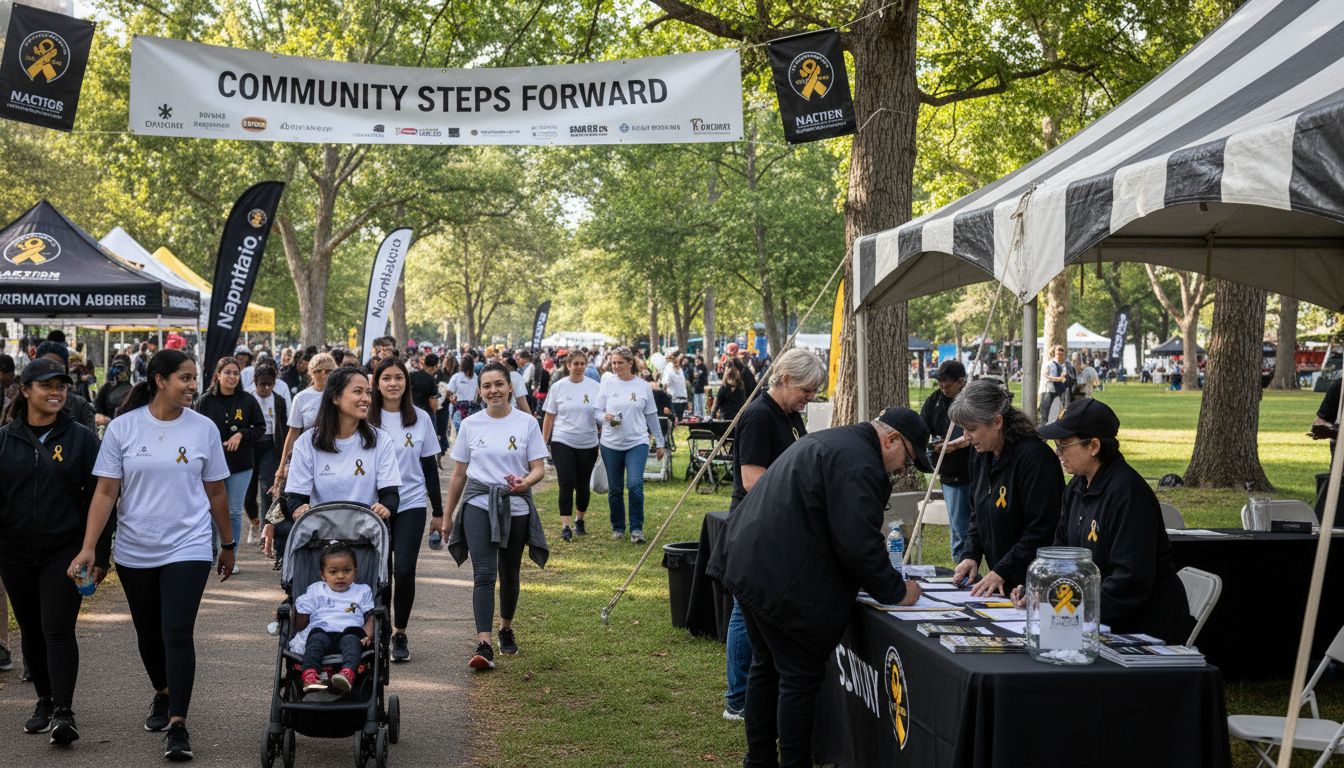
Sometimes the most powerful changes begin with a single gathering. Communities across the country come together at local charity events, and studies show that nearly 60 percent of Americans participate in charitable activities each year. These events matter because they not only raise funds for important causes, but also build a sense of unity among neighbors. Whether you want to support cancer research or strengthen local programs, you’ll discover practical ways to make a real difference right where you live.
Table of Contents
- What Are Local Charity Events?
- Common Types Of Community Charity Events
- How Local Charity Events Are Organized
- Legal And Safety Requirements For Charity Events
- Roles Of Organizers, Volunteers, And Donors
- Mistakes To Avoid When Hosting Events
Key Takeaways
| Point | Details |
|---|---|
| Community Engagement | Local charity events foster community spirit and connection while raising funds for important causes. |
| Diverse Formats | These events can take many forms, such as auctions, walkathons, and gala dinners, attracting different participant demographics. |
| Collaboration is Key | Successful events rely on the collaborative efforts of organizers, volunteers, and donors to achieve their fundraising goals. |
| Avoid Common Pitfalls | Organizers should be aware of common mistakes, such as inadequate planning and poor promotion, to enhance event success. |
What Are Local Charity Events?
Local charity events are community-driven gatherings designed to raise funds, awareness, and support for important social causes and nonprofit organizations. These events bring people together, fostering community spirit while generating crucial financial resources for charitable missions. From walkathons to auctions, these initiatives provide meaningful ways for residents to make a tangible difference in addressing local and global challenges.
One prominent example of a local charity event is the Relay For Life, which demonstrates the powerful impact of community-based fundraising. Relay For Life is a community-organized event where teams participate in walkathons to raise funds for cancer research and patient support services. Such events not only generate financial contributions but also create powerful networks of support and solidarity around specific health and social challenges.
Charity events come in many engaging formats, each designed to attract different participants and donor types. Some popular local charity event styles include:
- Charity Auctions: Where items or experiences are sold to the highest bidder, with proceeds benefiting charitable organizations
- Walkathons and Running Events: Participants collect pledges for distance traveled
- Community Festivals: Combining entertainment with fundraising activities
- Gala Dinners: Formal evening events attracting philanthropic donors
- Sports Tournaments: Competitive events that raise money through entry fees and sponsorships
These events are more than just fundraising mechanisms. They serve as powerful platforms for community engagement, allowing individuals to connect, share experiences, and collectively work towards meaningful social goals. Whether you’re passionate about healthcare, education, environmental protection, or social welfare, local charity events offer an accessible and impactful way to contribute to causes that matter.
Common Types Of Community Charity Events
Community charity events represent diverse strategies for fundraising and social engagement, each offering unique opportunities to support important causes and bring people together. From physical challenges to cultural celebrations, these events transform charitable giving into dynamic, interactive experiences that inspire participation and community connection.
One classic example of a community charity event is the walkathon, which has gained widespread popularity across different regions. Walkathons are non-competitive walking events organized to raise funds for various causes, involving participants who collect donations or pledges for walking a predetermined distance. These events not only generate financial resources but also promote physical activity and community awareness around specific social missions.
Charity events come in multiple compelling formats, each designed to engage different community members and donor demographics:
- Charity Auctions: Formal events where items are sold to the highest bidder, with proceeds benefiting nonprofit organizations
- Fun Runs and Marathons: Fitness-focused events encouraging athletic participation and sponsorship
- Community Festivals: Combining entertainment, cultural activities, and fundraising
- Benefit Concerts: Musical events that attract supporters through shared artistic experiences
- Gala Dinners: Elegant evening gatherings targeting philanthropic donors
- Online Crowdfunding Campaigns: Digital platforms enabling widespread financial contributions
These diverse charity events serve multiple purposes beyond fundraising. They create spaces for community members to connect, share stories, and collectively address social challenges. By offering varied engagement opportunities, local charities can attract different participants passionate about making meaningful societal impacts.
How Local Charity Events Are Organized
Organizing local charity events requires strategic planning, dedicated volunteers, and collaborative community efforts. These complex undertakings involve multiple stages of preparation, from initial concept development to final execution, ensuring that fundraising goals are met while creating meaningful community experiences.
Relay For Life provides an excellent example of how structured volunteer committees can successfully organize community charity events. These events typically involve comprehensive planning that includes forming volunteer teams, establishing fundraising goals, coordinating logistics, and developing engaging community activities. The organizational process often begins months in advance, with dedicated volunteers working together to create impactful and memorable experiences.
The key components of organizing a successful local charity event typically include:
- Event Planning Committee: A core group of volunteers responsible for overall strategy and coordination
- Fundraising Target Setting: Establishing clear financial goals for the event
- Sponsorship Recruitment: Engaging local businesses and community leaders for support
- Volunteer Coordination: Recruiting and managing volunteers for various event roles
- Marketing and Promotion: Developing strategies to raise awareness and attract participants
Charity auctions demonstrate another sophisticated approach to event organization. These events require meticulous planning, including item procurement, donor engagement, and creating an attractive bidding environment. Successful organizers understand that the key to a great charity event lies not just in raising funds, but in creating an engaging experience that connects community members with meaningful causes.

Legal And Safety Requirements For Charity Events
Local charity events must navigate a complex landscape of legal and safety requirements to ensure successful, compliant, and secure community gatherings. These regulations protect participants, organizers, and the charitable organizations involved, creating a framework that maintains transparency, accountability, and public trust.
Charity auctions demonstrate the intricate legal considerations necessary for organizing fundraising events. Organizers must obtain proper permits, ensure transparent financial transactions, and adhere to strict safety standards for event venues. This includes verifying the legal status of the charitable organization, maintaining accurate financial records, and complying with local and national regulations governing fundraising activities.
Key legal and safety requirements for charity events typically include:
- Permit Acquisition: Securing necessary permissions from local authorities
- Insurance Coverage: Obtaining appropriate event liability insurance
- Financial Transparency: Maintaining clear financial records and reporting
- Participant Waivers: Collecting signed documents addressing potential risks
- Venue Safety Compliance: Meeting all local safety and accessibility standards
- Age Restrictions: Implementing appropriate guidelines for participant involvement
Relay For Life provides another excellent example of comprehensive event safety planning. These events require meticulous attention to participant safety, including medical support, emergency protocols, and careful coordination with local authorities. Successful charity events prioritize not just fundraising, but creating a secure and welcoming environment that protects all participants while achieving their charitable objectives.
Roles Of Organizers, Volunteers, And Donors
Successful local charity events depend on a collaborative ecosystem where organizers, volunteers, and donors each play critical and interconnected roles. Their collective efforts transform charitable intentions into meaningful community impact, creating a dynamic support network that drives social change and addresses important local needs.
Relay For Life exemplifies the intricate collaboration between different participants in charity events. In these gatherings, organizers coordinate complex logistics and fundraising activities, volunteers provide essential operational support and participant assistance, and donors contribute financial resources to support specific charitable missions. This synchronized approach ensures that each participant’s contribution directly advances the event’s overall objectives.
The specific responsibilities of each participant group include:
-
Organizers:
- Develop comprehensive event strategy
- Secure necessary permits and venues
- Manage financial planning and budgeting
- Create marketing and promotional materials
-
Volunteers:
- Assist with event setup and logistics
- Provide on-site participant support
- Help with registration and information management
- Offer direct community engagement
-
Donors:
- Contribute financial resources
- Provide auction items or sponsorships
- Spread awareness about the charitable cause
- Participate actively in fundraising activities
Charity auctions further illustrate how these roles intersect. Organizers plan and execute the event, volunteers manage operational details, and donors provide auction items or bid on them, creating a dynamic environment that transforms individual contributions into collective impact. The synergy between these groups determines the event’s success, demonstrating that meaningful community change requires collaborative effort and shared commitment.
Mistakes To Avoid When Hosting Events
Charitable events require meticulous planning and execution, with even small oversights potentially derailing an organization’s fundraising efforts and community impact. Understanding common pitfalls can help event organizers create more successful and meaningful community gatherings that effectively support their charitable missions.
Charity auctions reveal several critical mistakes organizations frequently make during event planning. Inadequate preparation can significantly compromise an event’s potential, particularly when failing to secure desirable auction items or effectively promote the event to attract potential bidders and donors. These oversights can dramatically reduce fundraising potential and community engagement.
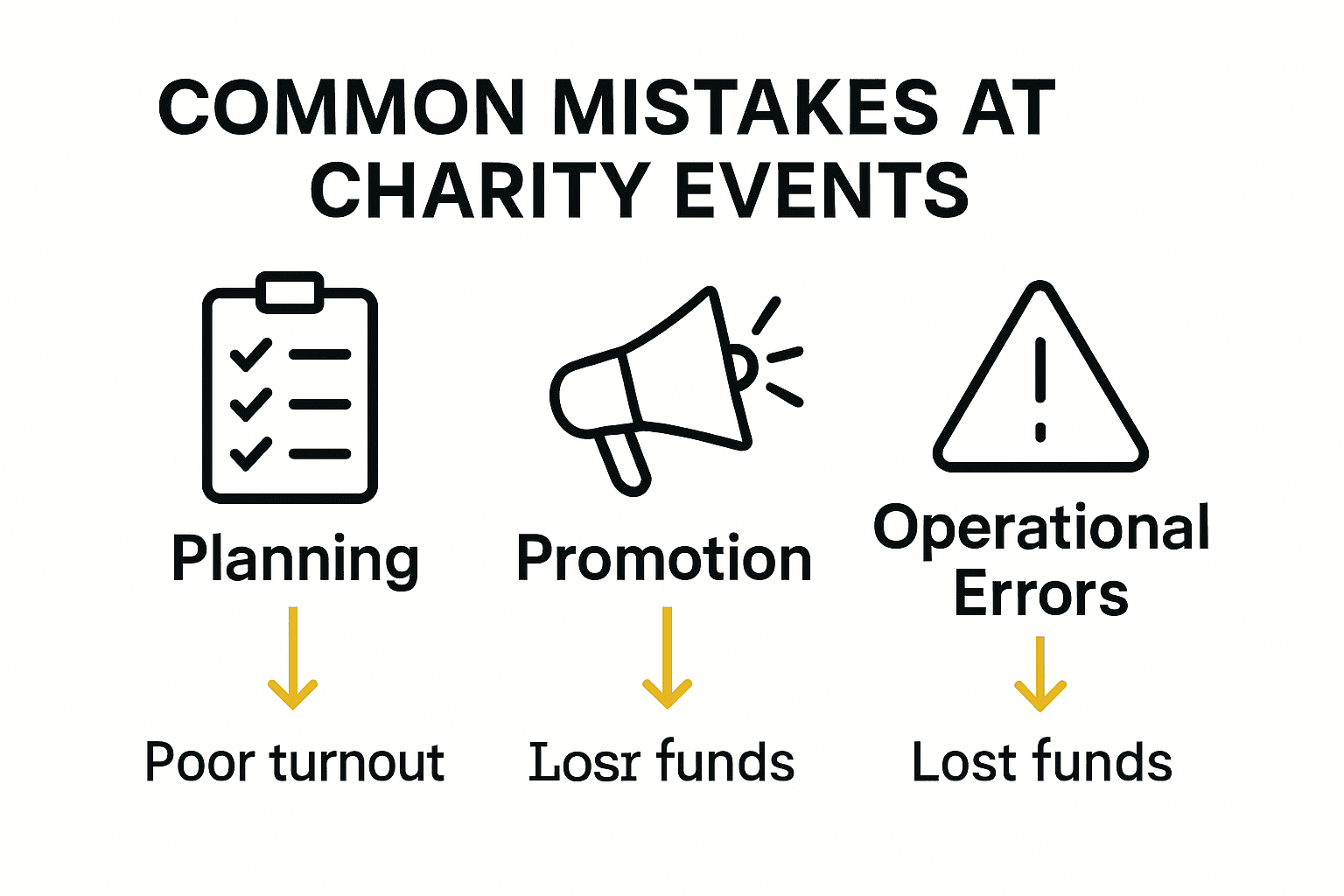
Key mistakes to avoid when hosting charity events include:
-
Planning Failures:
- Insufficient event timeline management
- Inadequate volunteer recruitment and training
- Poor financial budgeting and contingency planning
- Lack of clear communication channels
-
Promotional Mistakes:
- Ineffective marketing strategies
- Limited audience targeting
- Inconsistent messaging
- Neglecting digital and social media outreach
-
Operational Errors:
- Overlooking necessary permits and legal requirements
- Inadequate risk management
- Poor venue selection
- Inefficient registration and check-in processes
Relay For Life highlights the importance of comprehensive event planning, emphasizing that successful charitable events require more than good intentions. Organizers must set realistic fundraising goals, maintain clear communication with participants, and ensure thorough volunteer training. By anticipating potential challenges and developing strategic solutions, event hosts can create more impactful and memorable community fundraising experiences.
Bring Your Local Charity Events to Life with Waterlooville.co
Organizing or supporting a local charity event can feel overwhelming with so many details to manage—from volunteer coordination to fundraising and making sure every legal requirement is met. If you want to create meaningful community engagement and avoid common pitfalls like poor promotion or last-minute planning, connecting with your local community resources is essential. Our site helps you find trusted local services and businesses in Waterlooville and nearby areas ready to support your cause.

Discover how easy it is to build strong partnerships with local sponsors, recruit reliable volunteers, and reach more people when you explore the comprehensive Waterlooville.co guides. Whether you need venues, catering, or community health providers, you will find everything to make your charity event a success. Start your journey today by visiting Waterlooville.co and explore resources like our detailed local business directory to connect with the right partners. Take the first step now to make a bigger impact in your community!
Frequently Asked Questions
What are local charity events?
Local charity events are community gatherings aimed at raising funds, awareness, and support for social causes and nonprofit organizations. They include various activities such as walkathons, auctions, and community festivals that engage participants and encourage charitable contributions.
How are local charity events organized?
Organizing local charity events involves strategic planning, forming volunteer committees, setting fundraising goals, coordinating logistics, and marketing the event to attract participants. Detailed preparation often starts months in advance to ensure a successful event.
What types of activities can I expect at charity events?
Local charity events offer various activities, including charity auctions, walkathons, fun runs, gala dinners, and community festivals. Each event type is designed to engage different community members and encourage donations for important causes.
What legal and safety requirements must organizers consider for charity events?
Event organizers must secure necessary permits, obtain insurance coverage, maintain financial transparency, ensure venue safety compliance, and implement participant waivers. Adhering to these legal and safety requirements is crucial for running a successful charity event.