
Complete Guide to Local Economy Explained
Local economy explained: comprehensive guide for business owners. Learn types, how local markets function, key drivers, risks, and community impact.
Complete Guide to Local Economy Explained
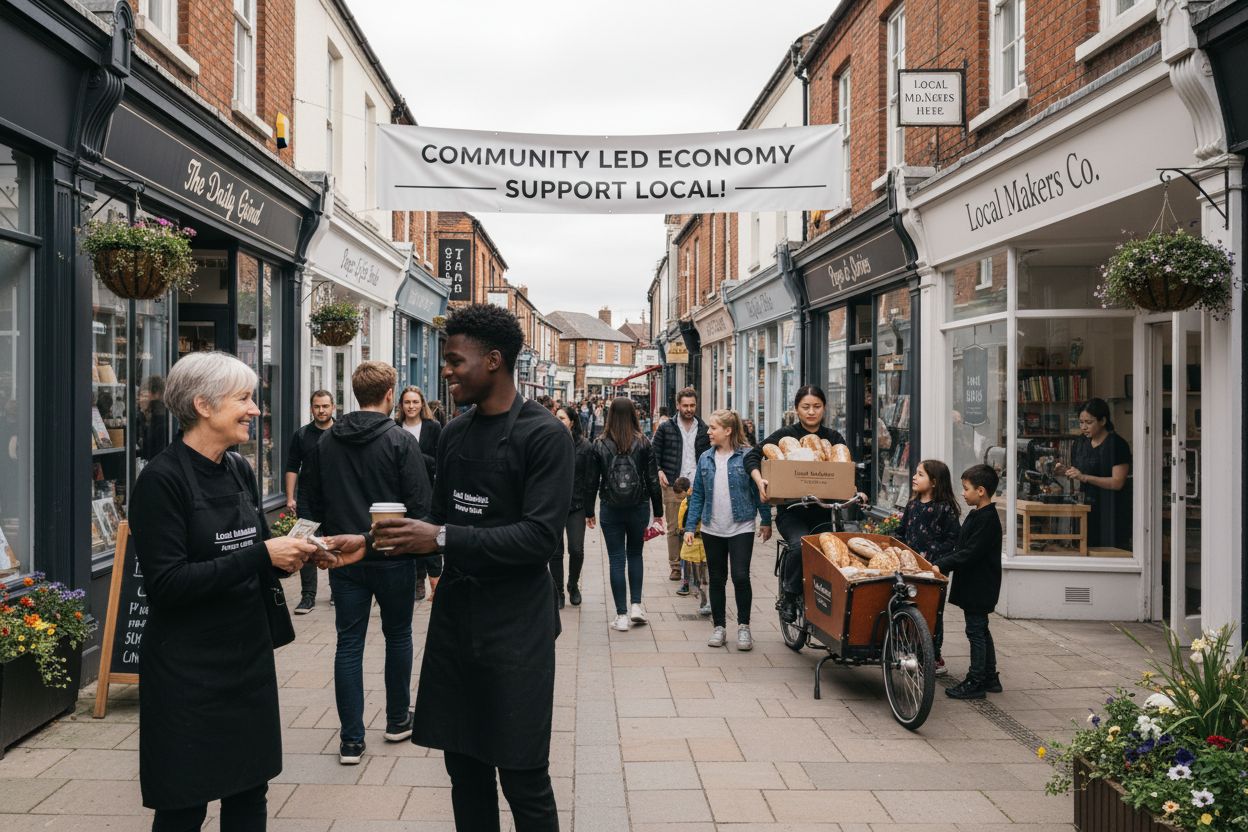
Did you know that over 60 percent of every dollar spent at local businesses stays within the community? The power of a local economy shapes job creation, business relationships, and the overall well-being of places like Waterlooville. By understanding how these economic systems function, individuals and businesses can discover practical ways to strengthen their community and create a more vibrant, sustainable future.
Key Takeaways
| Point | Details |
|---|---|
| Local Economy Definition | A local economy consists of the economic activities and relationships within a specific area, supporting business and community growth. |
| Traditional vs Emerging Models | Local economies vary, with traditional models focusing on key sectors, while emerging models like cosmopolitan localism link local production to global networks. |
| Operational Mechanisms | Local economies thrive on capital circulation, resource sharing, and skills exchange, fostering collaboration among businesses and residents. |
| Growth Drivers | Strategic factors such as entrepreneurial support, infrastructure investment, and supportive policies are crucial for local economic development. |
Table of Contents
- Defining The Local Economy Concept
- Types Of Local Economies And Models
- How Local Economies Operate In Practice
- Key Drivers And Influencers Of Local Growth
- Risks, Challenges, And Business Opportunities
Defining The Local Economy Concept
A local economy represents the economic activities, transactions, and interactions happening within a specific geographic area like Waterlooville. Think of it as a complex network where businesses, residents, and community resources interconnect and generate value for one another.
At its core, a local economy encompasses several key characteristics:
- Money circulation: How funds move between local businesses, residents, and institutions
- Employment opportunities: Jobs created within the community
- Resource utilization: Local assets and capabilities being leveraged
- Economic interdependence: Businesses supporting and relying on each other
Local economies are unique ecosystems that reflect the specific strengths, challenges, and potential of a particular area. In Waterlooville, this might mean understanding how local manufacturing, retail, service sectors, and small businesses interact and contribute to the overall economic health. These interactions create a dynamic environment where each transaction and business relationship can have ripple effects throughout the community.
The significance of a local economy extends beyond simple financial metrics. It represents the collective economic heartbeat of a region - reflecting its resilience, innovation, and capacity for growth. By supporting local businesses, residents directly contribute to creating a more robust, sustainable economic environment that benefits everyone.
Types Of Local Economies And Models
Local economies are not one-size-fits-all systems, but rather diverse models that adapt to specific community needs and resources. Understanding these variations helps businesses and residents navigate economic opportunities more effectively.
Traditional Local Economic Models
Traditional local economies typically revolve around key sectors that form the economic backbone of a community:
- Agricultural economies: Centered around farming, food production, and related industries
- Manufacturing-based economies: Focused on local production and industrial activities
- Service-oriented economies: Emphasizing retail, hospitality, and professional services
Emerging Innovative Economic Approaches
Here’s a comparison of traditional and emerging local economic models:
| Model Type | Key Features | Example Sectors |
|---|---|---|
| Traditional | Sector-focused Local resource use Stable roles |
Agriculture Manufacturing Retail & Services |
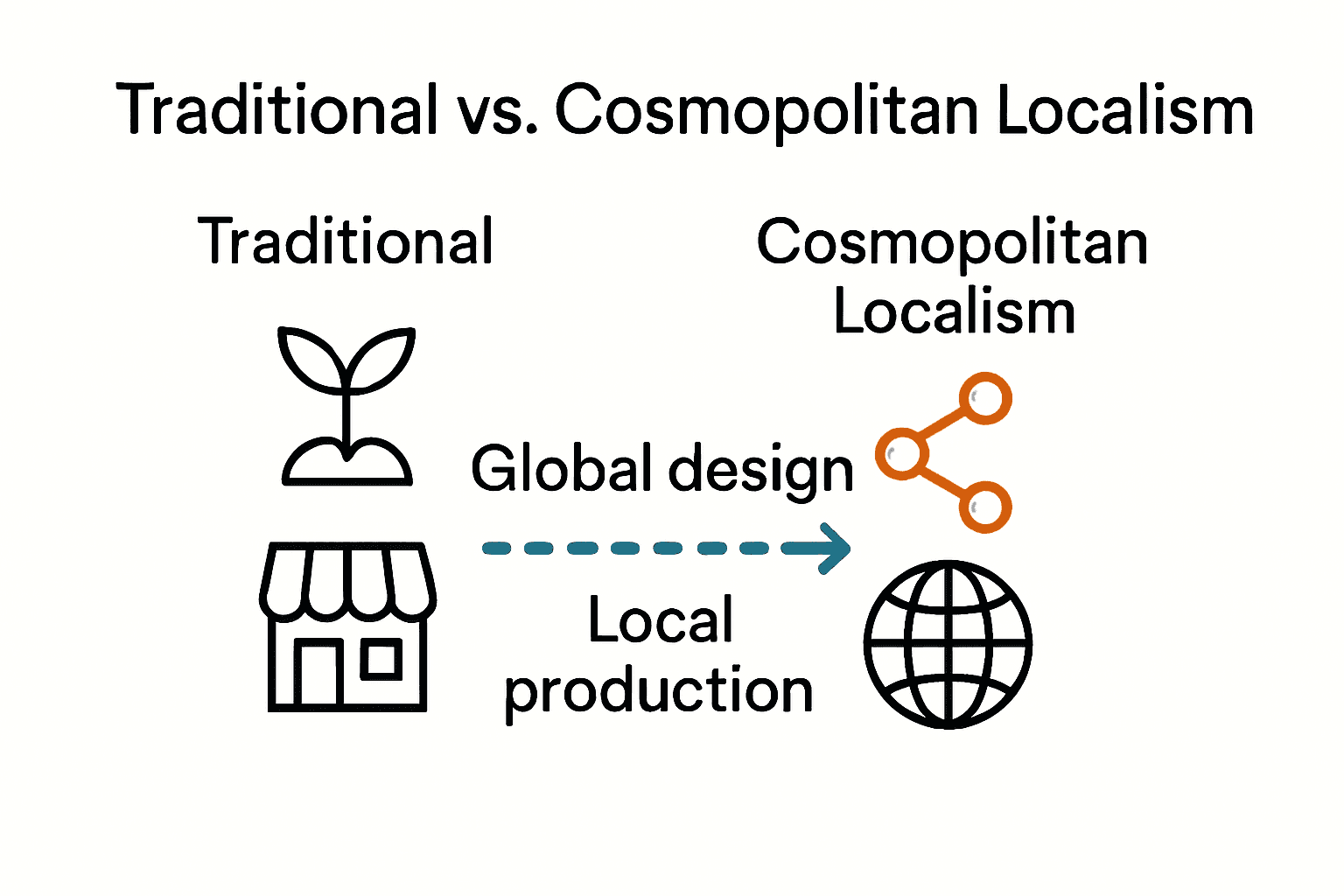
| Emerging (Cosmopolitan Localism) | Distributed production Digital networks Global design, local production |
Tech start-ups Digital platforms Creative industries |
According to research on Cosmopolitan localism, new economic models are emerging that blend local and global perspectives. Cosmopolitan localism represents a sophisticated approach where communities create resilient infrastructures connecting local production with global design and digital networks.
This innovative model encourages:
- Distributed production networks
- Digital commons and shared resources
- Design-global, manufacture-local strategies
In Waterlooville, this might translate to local businesses leveraging global digital platforms while maintaining strong community connections and utilizing local resources. The key is creating flexible economic models that can adapt to changing technological and social landscapes while preserving the unique character of the local community.
How Local Economies Operate In Practice
Local economies function through complex interactions between businesses, financial institutions, infrastructure, and community resources. These interconnected systems create a dynamic environment where economic activities continuously evolve and adapt.
Financial Dynamics and Infrastructure
According to a compelling academic study, community financial institutions play a critical role in local economic performance. Research indicates that establishment of community banks stimulates household consumption by:
- Increasing local income levels
- Reducing precautionary savings
- Providing accessible financial services
Digital Infrastructure and Entrepreneurship
Recent research from England reveals a fascinating insight: digital infrastructure significantly impacts local economic operations. A study on broadband speed demonstrates that improved digital connectivity directly correlates with new business formation, highlighting how technological access drives entrepreneurial activity.
Key Operational Mechanisms
Local economies operate through several critical mechanisms:
- Capital circulation: Money moving between local businesses and residents
- Resource sharing: Collaborative networks and mutual support systems
- Skills and knowledge exchange: Informal and formal knowledge transfer
- Localized supply chains: Prioritizing nearby production and service networks
In Waterlooville, these principles translate into practical economic interactions where local businesses, financial institutions, and community members work together to create a resilient and adaptive economic ecosystem. The goal is creating an environment where economic opportunities are accessible, sustainable, and beneficial to the entire community.

Key Drivers And Influencers Of Local Growth
Local economic growth isn’t a random occurrence but a result of strategic interactions between various interconnected elements. Understanding these key growth drivers helps community stakeholders create targeted development strategies.
Strategic Economic Catalysts
Multiple critical factors contribute to local economic momentum:
- Entrepreneurial Ecosystem: Supporting new business creation and innovation
- Human Capital: Developing local skills, education, and workforce capabilities
- Infrastructure Investment: Enhancing physical and digital connectivity
- Policy Support: Creating business-friendly regulatory environments
Infrastructure and Connectivity
Physical and digital infrastructure play crucial roles in local economic expansion. This includes:
- Transportation networks
- Telecommunications systems
- Public utilities
- Digital connectivity platforms
Local Business Dynamics
The health and diversity of local businesses significantly impact economic growth. Small and medium enterprises often serve as the backbone of local economies, creating jobs, generating tax revenue, and fostering community resilience.
In Waterlooville, this means cultivating an environment where local businesses can thrive, innovate, and contribute to the community’s economic fabric. Success depends on creating supportive networks, providing access to resources, and maintaining a flexible, adaptive approach to economic development.
Risks, Challenges, And Business Opportunities
Local economies are dynamic environments where potential opportunities coexist with significant challenges. Understanding these complex interactions helps businesses and entrepreneurs navigate the economic landscape more effectively.
Primary Economic Challenges
Businesses in Waterlooville face several critical challenges:
- Resource Limitations: Constraints on capital, talent, and infrastructure
- Market Competition: Competing with larger regional and national enterprises
- Economic Volatility: Sensitivity to broader economic shifts
- Regulatory Complexities: Navigating local and national business regulations
Emerging Business Opportunities
Despite challenges, local economies present unique strategic opportunities for innovative businesses:
- Developing niche market solutions
- Creating specialized local services
- Leveraging community relationships
- Implementing adaptive business models
Risk Mitigation Strategies
Successful local businesses develop robust strategies to manage economic uncertainties:
- Diversifying revenue streams
- Building strong community networks
- Maintaining financial flexibility
- Continuously upgrading skills and technologies
In Waterlooville, transforming challenges into opportunities requires creativity, resilience, and a deep understanding of local economic dynamics. Businesses that can adapt quickly, understand community needs, and provide targeted solutions will be best positioned to thrive in this competitive environment.
Power Your Local Growth with Waterlooville’s Economic Hub
Are you feeling overwhelmed by challenges like limited resources, tough competition, or shifting economic trends discussed in our Complete Guide to Local Economy Explained? Whether you aim to build stronger business networks, discover reliable opportunities, or stay ahead with local news, you need a simple way to connect with the right people and information in Waterlooville. When every connection matters, trusting a single source can bring real peace of mind.

Discover how Waterlooville.co brings together local businesses, service providers, and the latest news all in one accessible place. Take that crucial next step and visit our business directory, or check out our latest updates for fresh insights and valuable partnerships. Seize your chance to support the local economy and turn today’s challenges into real opportunities starting now. Growth in Waterlooville is waiting for you.
Frequently Asked Questions
What is a local economy?
A local economy refers to the economic activities and interactions occurring within a specific geographic area, where businesses, residents, and community resources work together to create value.
What are the main types of local economies?
Local economies can be categorized into traditional models, such as agricultural, manufacturing, and service-oriented economies, as well as emerging models like cosmopolitan localism, which integrates local production with global design and digital networks.
How do local economies operate?
Local economies operate through complex interactions involving financial institutions, infrastructure, and community resources. Key operational mechanisms include capital circulation, resource sharing, skills exchange, and localized supply chains.
What are some of the challenges faced by local economies?
Local economies face various challenges, including resource limitations, market competition, economic volatility, and regulatory complexities, which can impact business growth and sustainability.