
Local History Explained: The Definitive Guide
Local History Explained: comprehensive guide covering definitions, research methods, preservation, storytelling, and community impact for residents and enthusiasts.
Local History Explained: The Definitive Guide
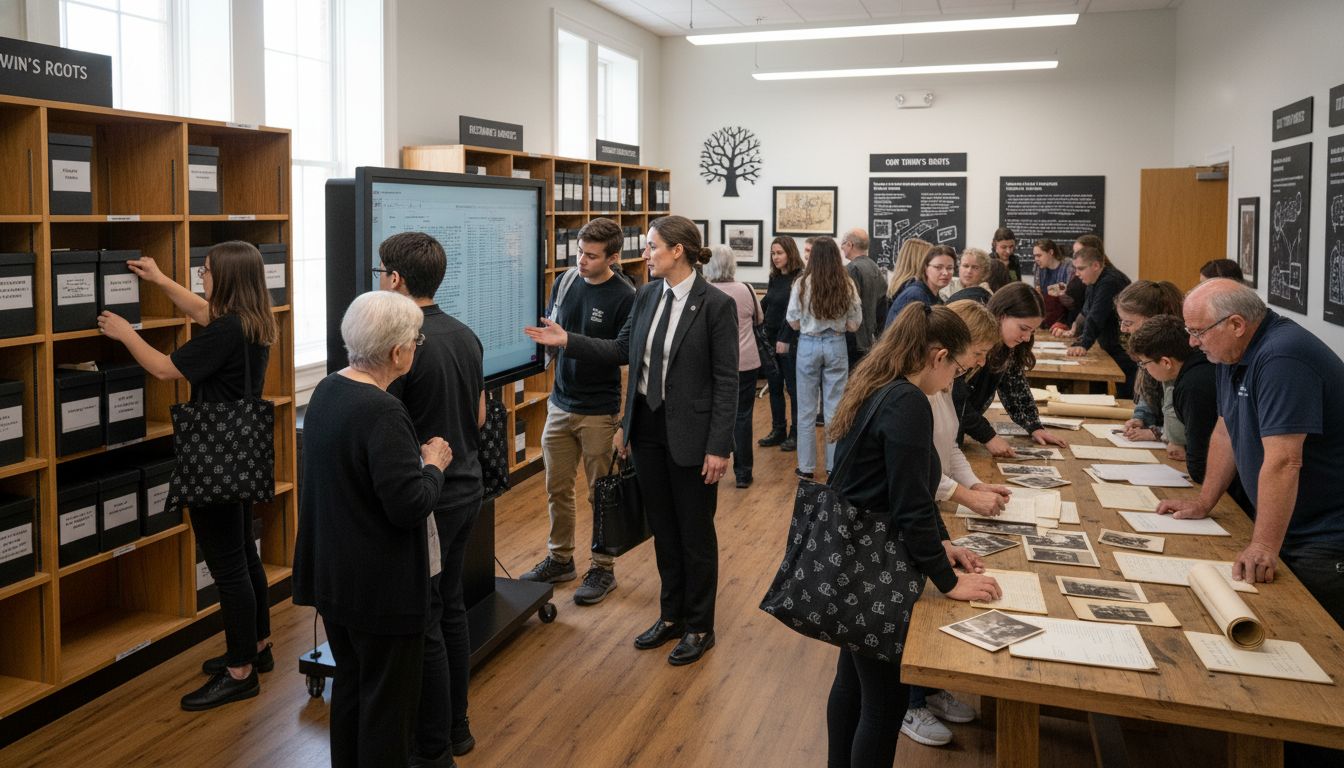
Most people think local history is just a small-town concern, yet local stories often reveal the roots of national events and global trends. Understanding the true scope of local history uncovers hidden connections between ordinary lives and world-changing moments. With so many myths clouding its value, exploring what local history really means helps every community see its own impact in a much bigger picture.
Table of Contents
- Defining Local History And Its Misconceptions
- Distinct Types Of Local History Studies
- Key Sources And Research Techniques
- How Local History Shapes Community Identity
- Preserving And Presenting Local Heritage
- Risks And Ethical Challenges In Local History
Key Takeaways
| Point | Details |
|---|---|
| Significance of Local History | Local history connects individual experiences to national and global themes, enriching our understanding of broader historical narratives. |
| Types of Local History Studies | Various specialized approaches, including urban history and folklore studies, provide unique insights into community development and cultural evolution. |
| Role in Community Identity | Local history fosters a sense of belonging and continuity through shared narratives, preserving cultural heritage and influencing community identity. |
| Ethical Challenges | Local historians must navigate complexities such as representation, consent, and cultural sensitivity to ensure accurate and respectful documentation of community stories. |
Defining Local History And Its Misconceptions
Local history represents far more than just a collection of town records or dusty photographs. It’s a dynamic lens through which we can understand the intricate connections between community experiences and broader historical narratives.
A common misconception is that local history lacks broader significance. According to eclass, local history actually provides valuable insights into national and global historical themes by illustrating how significant events impact specific communities. This approach transforms local history from a narrow, parochial study into a rich, nuanced exploration of human experience.
Why Local History Matters
Local history serves multiple crucial functions beyond mere documentation. It helps us:
- Understand community identity and transformation
- Reveal untold stories of ordinary people
- Connect personal experiences with larger historical contexts
- Preserve cultural memory and heritage
By examining local narratives, we can uncover complex social dynamics that often remain invisible in broad historical accounts. Each town, neighborhood, and community carries unique stories that contribute to our collective understanding of historical progression.
Local history isn’t just about remembering past events. It’s about creating meaningful connections between generations, understanding societal changes, and recognizing how individual experiences shape broader historical movements. Through careful research and storytelling, local historians bridge gaps between personal memory and collective historical understanding.
Distinct Types Of Local History Studies
Local history is a multifaceted field that encompasses various specialized approaches to understanding community narratives and experiences. Each type of local history study offers a unique lens for examining the intricate tapestry of regional development and cultural evolution.
Urban History Exploration
Wikipedia defines urban history as a critical approach that examines the development and transformation of cities and towns. This specialized study focuses on key aspects such as urbanization processes, architectural evolution, and the complex social dynamics within urban settings. Urban historians trace how physical landscapes change, how communities adapt, and how economic and social forces shape city environments over time.
Cultural and Folklore Studies
According to Wikipedia, folklore studies represent another crucial dimension of local historical research. These studies delve deep into the traditional beliefs, customs, and storytelling traditions that define a community’s cultural heritage. By exploring oral histories, local legends, and traditional practices, researchers can uncover the rich social fabric that connects generations and preserves unique community identities.
Additional Local History Study Types
Beyond urban and folklore studies, local historians also engage in specialized research areas such as:
- Economic History: Tracking local business development, trade patterns, and economic transformations
- Social Movement History: Documenting local activism, community organizing, and social change
- Architectural History: Analyzing building styles, urban planning, and structural evolution
- Migration History: Exploring population movements, settlement patterns, and community demographics
Each of these approaches offers a nuanced perspective on how local communities develop, interact, and evolve. By combining multiple research methods, historians can create comprehensive narratives that reveal the complex interconnections between individual experiences and broader historical contexts.
Key Sources And Research Techniques
Local history research requires a strategic approach and access to diverse information sources that can illuminate the intricate stories of a community. Researchers must be prepared to explore multiple avenues of historical investigation, each offering unique insights into local experiences.
Primary Source Exploration
Durham LibGuides highlights that key sources for local history research encompass a wide range of materials, including official publications, items of general interest, unpublished materials, and memorabilia. These resources are typically housed in specialized local studies collections within libraries and archives, serving as treasure troves of historical information.
Research Techniques and Source Types
Effective local history research involves multiple techniques and source types:
- Archival Records: Birth certificates, property deeds, tax records
- Oral Histories: Interviews with long-time community members
- Newspapers: Local publications documenting community events
- Photographic Collections: Visual documentation of community life
- Municipal Documents: Council minutes, city planning records
Researchers must develop critical skills in source evaluation, cross-referencing information, and interpreting historical context. This involves understanding the potential biases in different types of sources and corroborating information through multiple references.
The most successful local historians approach their work like detectives, piecing together fragments of information to construct comprehensive narratives. They combine meticulous document analysis with creative interpretation, transforming seemingly mundane records into rich, compelling stories that bring community histories to life.

How Local History Shapes Community Identity
Community identity is not a static concept, but a dynamic narrative continuously woven through shared experiences, memories, and collective understanding. Local history serves as the crucial thread that connects generations, helping communities understand their unique cultural landscape and collective journey.
Vernacular Memory and Collective Storytelling
Wikipedia describes vernacular memory as the collective, informal ways communities remember and commemorate their past. This approach encompasses shared stories, traditions, and personal testimonies that create a profound sense of belonging and continuity. These informal narratives often reveal more about a community’s spirit than official historical records, capturing the nuanced emotional experiences that define local identity.
Preserving Cultural Heritage
According to Transcript Publishing, local history museums play a crucial role in reconnecting communities with their dynamic pasts. These institutions foster a sense of identity and continuity by carefully preserving and presenting local heritage. They transform historical artifacts and stories into living experiences that help residents understand their community’s unique trajectory.
Mechanisms of Identity Formation
Local history shapes community identity through multiple powerful mechanisms:
- Generational Storytelling: Passing down family and community narratives
- Cultural Preservation: Maintaining traditional practices and rituals
- Commemorative Events: Celebrating shared historical milestones
- Architectural Preservation: Maintaining physical links to the community’s past
By understanding local history, community members develop a deeper sense of pride, resilience, and interconnectedness. These narratives help explain why communities develop specific characteristics, social norms, and collective behaviors. They provide context for current social dynamics and offer insights into how communities have adapted and evolved over time.
Preserving And Presenting Local Heritage
Local heritage preservation is a critical endeavor that bridges past and present, ensuring that community stories remain vibrant and accessible for future generations. It requires a multifaceted approach that goes beyond simple document archiving, instead creating living, interactive narratives that resonate with community members.
Educational Engagement
Heritage in Schools emphasizes that educational resources and programs focused on local studies are essential for preserving and presenting local heritage. These initiatives engage communities directly, transforming historical research from a passive academic exercise into an active, participatory experience that connects individuals with their collective history.
Documentation and Storytelling
According to History Organization, local history publications serve as vital tools for preserving community stories. These resources encompass diverse formats such as:
- Heritage Walks: Guided experiences exploring historical locations
- Property Histories: Detailed narratives of local buildings and landmarks
- Oral History Collections: Personal testimonies capturing lived experiences
- Photographic Archives: Visual documentation of community transformations
Successful heritage preservation requires a dynamic, inclusive approach that welcomes multiple perspectives and interpretations. By creating platforms that allow community members to contribute, share, and interact with historical narratives, local historians can ensure that heritage remains a living, evolving concept rather than a static museum piece.
Ultimately, preserving local heritage is about creating connections. It’s about helping current and future generations understand their roots, appreciate their community’s unique journey, and recognize the extraordinary stories hidden within seemingly ordinary places and experiences.
Risks And Ethical Challenges In Local History
Local history research demands more than just academic rigor. It requires a nuanced, sensitive approach that acknowledges the complex human stories underlying historical narratives, balancing objective documentation with ethical responsibility and cultural respect.
Research Integrity Challenges
IJAAR Research highlights critical challenges in local history research, including significant risks such as oversimplification, potential plagiarism, and the delicate handling of controversial or sensitive historical issues. These challenges can lead to misinterpretations or reductive narratives that fail to capture the full complexity of community experiences.
Ethical Considerations in Historical Documentation
Local historians must navigate several critical ethical dimensions:
- Representation: Ensuring diverse perspectives are authentically represented
- Consent: Obtaining proper permissions for personal stories and images
- Cultural Sensitivity: Respecting community narratives and avoiding harmful stereotypes
- Historical Accuracy: Distinguishing between documented facts and community legends
- Privacy: Protecting individual identities while documenting collective experiences
The most responsible local historians approach their work with humility, recognizing that every historical narrative is inherently partial and subjective. They understand that historical documentation is not about creating a definitive record, but about fostering understanding, empathy, and nuanced dialogue about community experiences. By embracing multiple perspectives and maintaining transparent research methodologies, historians can create more inclusive and meaningful historical representations that honor the complexity of human experience.

Discover Waterlooville’s Story and Connect with Your Community Today
Understanding local history involves uncovering the vibrant stories that shape a community’s identity and preserve its heritage. This article highlights how local history fosters a sense of belonging through vernacular memory and community storytelling. If you are passionate about connecting with Waterlooville’s unique past and present, recognizing local businesses that contribute to its evolving narrative is essential. Whether you seek trusted service providers or want to explore what makes Waterlooville special, embracing local resources brings history to life.

Experience the essence of Waterlooville by exploring our detailed community guide. Support local enterprises, engage with events, and join others who care deeply about our town’s heritage and future. Don’t wait—visit Waterlooville.co now to discover practical information, connect with local businesses, and become part of a community that values its history and growth.
Frequently Asked Questions
What is local history?
Local history is the study of the intricate connections between community experiences and broader historical narratives, providing insights into how significant events impact specific communities.
Why is local history important?
Local history helps us understand community identity, reveals untold stories of ordinary people, connects personal experiences with larger historical contexts, and preserves cultural memory and heritage.
What types of studies are involved in local history research?
Local history includes various specialized studies such as urban history, cultural and folklore studies, economic history, social movement history, architectural history, and migration history, each offering unique perspectives on community experiences.
What are some effective research techniques for local history?
Effective local history research techniques include exploring primary sources like archival records, oral histories, newspapers, photographic collections, and municipal documents to create comprehensive narratives that reflect community experiences.