
Local Transport Links Explained: Improving Daily Life
Local transport links explained for Waterlooville: Learn about types, operations, key features, and daily benefits, plus safety and cost factors.
Local Transport Links Explained: Improving Daily Life
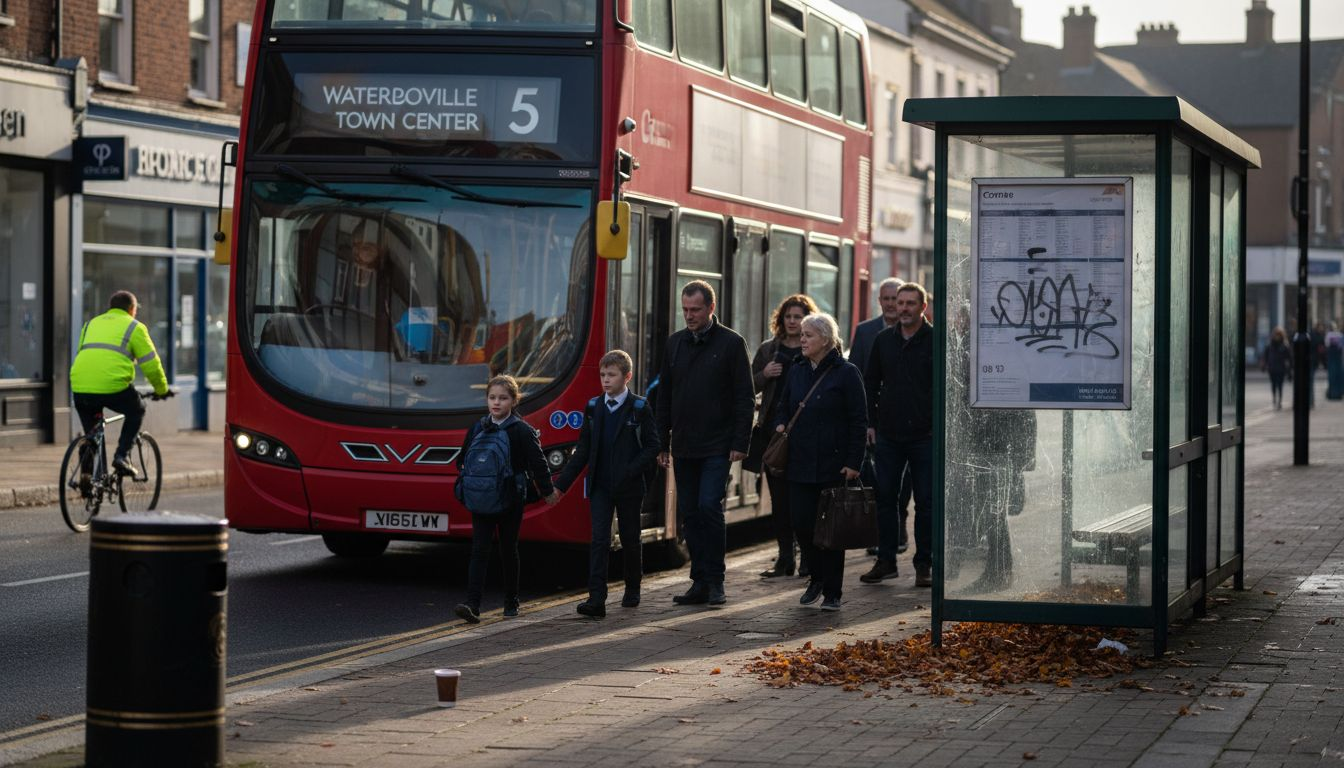
Every commuter in Waterlooville knows the difference a reliable bus or train connection can make during a busy morning. Understanding local transport links is essential for accessing jobs, schools, and services, but many overlook the complexity behind these networks. This guide clarifies how government agencies and coordinated planning shape public buses, cycling routes, and walkways, revealing practical insights that help residents make informed decisions about their daily travel.
Table of Contents
- Defining Local Transport Links And Common Misconceptions
- Types Of Transport Options In Waterlooville
- How Local Transport Systems Operate
- Essential Features And Service Integration
- Safety Regulations And Accessibility Standards
- Costs, Funding, And Common Mistakes To Avoid
Key Takeaways
| Point | Details |
|---|---|
| Local Transport Links Are Complex | Local transport systems involve intricate planning and coordination among multiple governmental agencies to address community mobility needs effectively. |
| Diverse Transportation Options in Waterlooville | Waterlooville offers a range of transport modes, emphasizing bus services, cycling routes, and pedestrian access to meet residents’ varied mobility needs. |
| Technology Enhances Operational Efficiency | The integration of technology in transport systems leads to improved route optimization, real-time tracking, and better user experiences through data analytics. |
| Funding Diversity is Essential | A reliable funding strategy for transportation must include a mix of farebox revenue, government subsidies, and private partnerships to ensure sustainability and service quality. |
Defining Local Transport Links and Common Misconceptions
Local transport links represent the interconnected network of transportation services that enable residents to move efficiently within and between communities. Unlike simplistic assumptions, these systems involve complex interactions between multiple governmental agencies and strategic planning mechanisms.
Transport networks are more nuanced than most people realize. Strategic planning approaches reveal that effective local transportation requires intricate coordination across different administrative levels. The key components typically include:
- Public bus routes
- Train connections
- Cycling infrastructure
- Pedestrian walkways
- Regional shuttle services
Government agencies play a critical role in designing these transportation ecosystems. Complex interactions between governmental levels determine funding, infrastructure development, and service accessibility. These interactions are not random but strategically planned to address community mobility needs.
Common misconceptions about local transport links often revolve around assumptions of simplicity. Many residents believe transportation planning is straightforward, when in reality, it involves sophisticated decision-making processes considering factors like:
- Population density
- Economic development zones
- Environmental sustainability
- Budget constraints
- Future urban growth projections
Pro Tip: Research your local transportation authority’s strategic plan to understand how transport links are developed and interconnected in your specific area.
Types of Transport Options in Waterlooville
Waterlooville offers a diverse range of transportation options designed to meet the varied mobility needs of its residents. Strategic transport infrastructure encompasses multiple modes of travel, ensuring comprehensive connectivity within the community and surrounding regions.
The primary transportation modes available in Waterlooville include:
- Public bus services
- Cycling routes
- Pedestrian walkways
- Regional shuttle connections
- Emerging sustainable transport initiatives
Bus transportation remains the most prevalent public transit option. Strategic investment plans indicate ongoing efforts to enhance service frequency and coverage across the Waterlooville area. These improvements aim to provide more reliable and accessible transit experiences for residents.
Community mobility is further supported by robust cycling and walking infrastructure. The local transportation network prioritizes sustainable travel options, encouraging residents to reduce car dependency and embrace environmentally friendly commuting methods. Key infrastructure developments include dedicated bike lanes, improved pedestrian crossings, and integrated transport connections.
- Bus route optimization
- Enhanced cycling paths
- Improved pedestrian access
- Future rail connection potential
- Sustainable transport initiatives
Pro Tip: Investigate local transportation apps and real-time tracking services to maximize your understanding of Waterlooville’s transport options and plan more efficient journeys.
How Local Transport Systems Operate
Transport system operations represent a complex network of strategic planning and coordination. Integrated public transport systems require meticulous management across multiple interconnected components to ensure efficient mobility for residents.
The core operational elements of local transport systems typically include:
- Route planning and optimization
- Service scheduling
- Infrastructure maintenance
- Technology integration
- Performance monitoring
- Passenger feedback mechanisms
Governance frameworks play a crucial role in transport system management. Efficient public transport strategies emphasize the importance of collaborative approaches between public and private stakeholders to create seamless transportation experiences.
Technological advancements have transformed transport system operations, enabling real-time tracking, predictive maintenance, and more responsive service delivery. Modern systems leverage data analytics to:

The following table summarizes how technology enhances operational efficiency in modern transport systems:
| Technology Adoption | Operational Benefit | Impact for Users |
|---|---|---|
| Real-Time Tracking | Faster response to delays | Up-to-date arrival info |
| Data Analytics | Improved route optimization | Shorter, more reliable trips |
| Predictive Maintenance | Fewer unexpected breakdowns | Increased reliability |
| Passenger Feedback Apps | Faster service adjustments | More user-driven solutions |
- Predict passenger demand
- Optimize route efficiency
- Reduce operational costs
- Improve overall service quality
- Enhance user experience
Pro Tip: Download local transport apps and sign up for service alerts to stay informed about real-time changes and operational updates in your transportation network.
Essential Features and Service Integration
Service integration represents the cornerstone of effective local transportation networks. Public transport attractiveness depends on creating seamless, interconnected transit experiences that meet diverse community mobility needs.
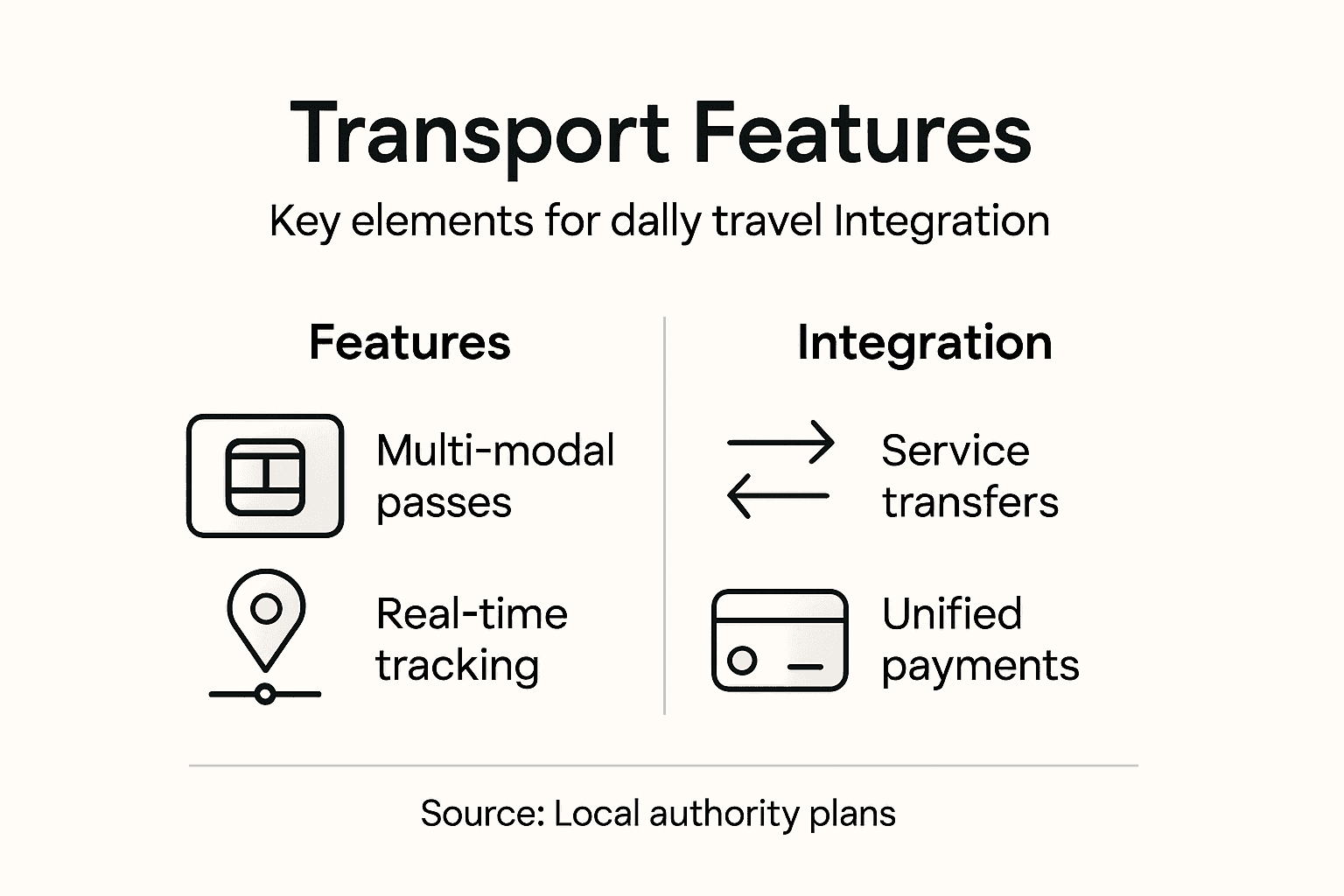
The essential features of an integrated transport system include:
- Comprehensive network coverage
- Synchronized scheduling
- Unified fare payment systems
- Real-time passenger information
- Accessibility for diverse user groups
- Multimodal connection points
Technological innovations have transformed service coordination. Service integration policies now emphasize creating interconnected transit experiences that reduce friction between different transportation modes and operators.
Successful integration requires strategic approaches that address multiple operational dimensions. Modern transport systems focus on creating holistic mobility solutions that prioritize:
- Passenger convenience
- Efficient route planning
- Seamless mode transitions
- Cost-effective service delivery
- User-centered design principles
Pro Tip: Explore multi-modal transit passes that allow flexible transfers between different transportation services to maximize your commuting efficiency.
Safety Regulations and Accessibility Standards
Safety regulations form the backbone of reliable public transportation systems. Transport accessibility standards ensure comprehensive protection and inclusive design for all passengers, regardless of their mobility capabilities.
Key safety and accessibility considerations include:
- Vehicle design standards
- Infrastructure accessibility features
- Emergency response protocols
- Mobility assistance technologies
- Training for transportation personnel
- Inclusive design requirements
Legal frameworks play a critical role in maintaining transportation safety. Accessible transport mapping highlights the importance of consistent standards that accommodate passengers with diverse mobility needs.
Modern transportation safety strategies prioritize comprehensive approaches that address multiple dimensions of passenger protection:
- Physical infrastructure safety
- Technology-enabled assistance
- Staff training and awareness
- Adaptive equipment provisions
- Continuous system monitoring
Pro Tip: Always check transportation provider websites for specific accessibility features and assistance options before planning your journey.
Costs, Funding, and Common Mistakes to Avoid
Transportation funding represents a complex ecosystem of financial strategies and revenue streams. Public transport financing involves intricate management of capital and operational expenses across multiple potential funding sources.
Key funding sources for local transport systems typically include:
- Farebox revenue
- Government subsidies
- Municipal tax allocations
- Federal infrastructure grants
- Private sector partnerships
- User fee structures
Funding challenges can significantly impact transportation service quality. Local transportation funding strategies emphasize the critical importance of diversifying revenue streams and avoiding over-reliance on single funding mechanisms.
Here’s how different transportation funding sources compare in terms of reliability and impact:
| Funding Source | Reliability Over Time | Impact on Service Quality |
|---|---|---|
| Farebox Revenue | Variable, can decline | Limited when ridership falls |
| Government Subsidies | Moderate, policy-based | Supports affordability and access |
| Municipal Tax Allocation | Generally stable | Enables long-term planning |
| Federal Grants | Project-specific | Boosts infrastructure upgrades |
| Private Partnerships | Market-dependent | Facilitates innovation and expansion |
| User Fee Structures | Usage-related | Flexible, but can limit equity |
Common financial mistakes in transportation planning often stem from inadequate financial forecasting and limited revenue diversification. Transportation planners must carefully consider:
- Long-term operational sustainability
- Infrastructure maintenance costs
- Emerging technological investments
- Flexible funding mechanisms
- Resilience against economic disruptions
Pro Tip: Develop a comprehensive financial model that includes multiple revenue streams and contingency funding to ensure transportation system stability.
Enhance Your Daily Commute with Local Waterlooville Resources
Understanding the complexities behind local transport links can make a real difference in how you navigate Waterlooville. The article highlights common challenges like route optimization, service integration, and accessibility that directly affect your daily travel experience. Whether you rely on bus routes or prefer cycling infrastructure, staying informed about Waterlooville’s transport developments and local services is key to smooth, stress-free mobility.

Discover comprehensive guides and trusted local businesses that support your everyday journey at Waterlooville.co. From expert heating engineers to convenient cafes along your route, you can find everything you need in one place. Don’t let transportation frustrations hold you back. Take control now by exploring reliable local information and services on Waterlooville.co and learn how the community’s evolving transport links can improve your life today.
Frequently Asked Questions
What are local transport links?
Local transport links are interconnected transportation services, such as buses, trains, cycling paths, and walking routes that enable residents to travel efficiently within and between communities.
How do local transport systems operate?
Local transport systems operate through meticulous route planning, service scheduling, infrastructure maintenance, and technology integration, ensuring efficient mobility for residents.
What are the different types of transportation options available?
Transportation options typically include public bus services, cycling routes, pedestrian walkways, regional shuttles, and emerging sustainable transport initiatives to promote eco-friendly commutes.
How is transportation funding managed?
Transportation funding is managed through a mix of revenue sources, including farebox revenue, government subsidies, municipal taxes, federal grants, and private partnerships, each impacting service quality differently.