
Neighborhood Watch Explained: Community Safety Impact
Neighborhood Watch empowers residents to deter crime, foster connections, and collaborate with law enforcement. Learn types, roles, and legal limits.
Neighborhood Watch Explained: Community Safety Impact

Every family in Waterlooville wants a safer place for their children to grow and thrive. Strong communities begin with neighbors who look out for one another, and Neighborhood Watch has become a trusted strategy for keeping families secure without turning regular residents into law enforcers. By dispelling misconceptions and understanding the true nature of these community-led initiatives, families and local leaders gain a clearer path toward responsible, effective neighborhood protection.
Table of Contents
- Defining Neighborhood Watch And Misconceptions
- Types Of Neighborhood Watch Programs Compared
- How Neighborhood Watch Operates Locally
- Legal Boundaries And Law Enforcement Partnerships
- Responsibilities, Risks, And Common Mistakes
Key Takeaways
| Point | Details |
|---|---|
| Community Collaboration | Neighborhood Watch engages residents to monitor and report suspicious activities while partnering with local law enforcement. |
| Legal Boundaries | Participants must understand the limitations of their authority, focusing on observation and reporting rather than confrontation. |
| Program Adaptability | Effective Neighborhood Watch programs adjust to local dynamics and community needs, employing both traditional and modern strategies. |
| Continuous Training | Ongoing education for participants is crucial to maintain compliance, ensure effective communication, and avoid common pitfalls. |
Defining Neighborhood Watch and Misconceptions
Neighborhood Watch represents a proactive community safety strategy where residents collaborate to monitor and report suspicious activities in their local area. Unlike vigilante groups, these programs work closely with local law enforcement to enhance residential security through organized community engagement.
The concept of Neighborhood Watch has evolved significantly since its inception. Internationally recognized crime prevention efforts highlight several core characteristics:
- Citizen-initiated community programs
- Police-facilitated but locally autonomous
- Focused on improving neighborhood safety
- Promoting collective vigilance
- Reducing fear of criminal activity
However, Neighborhood Watch programs are frequently misunderstood. Ethnographic research from the Netherlands reveals several critical misconceptions that residents should understand:
- These are NOT private security forces
- Members do NOT have legal enforcement powers
- The goal is observation and reporting, not confrontation
- Participation requires responsible, ethical behavior
- Diversity and inclusivity are essential program principles
Neighborhood Watch effectively transforms community safety by creating a networked system of mutual protection. The program’s success relies on building trust, maintaining open communication with local authorities, and fostering a sense of collective responsibility.
Neighborhood Watch is about creating safer communities through collaborative awareness, not about policing or criminalizing neighborhood dynamics.
Pro tip: Always prioritize personal safety and contact professional law enforcement if you witness genuinely suspicious or dangerous activities.
Types of Neighborhood Watch Programs Compared
Neighborhood Watch programs are not one-size-fits-all. Law enforcement research reveals multiple program models designed to address specific community safety needs, each with unique characteristics and implementation strategies.
Traditional Neighborhood Watch Programs
These classic models focus on core community protection principles:
- Regular community meetings
- Designated block captains
- Systematic communication networks
- Coordinated reporting mechanisms
- Emphasis on passive observation
Technology-Enhanced Watch Programs
Modern iterations leverage digital tools to improve community safety tracking:
- Mobile communication platforms
- Real-time crime reporting apps
- GPS-enabled tracking systems
- Social media neighborhood groups
- Advanced security camera networks
Specialized Community Safety Models
Some programs target specific demographic or geographic needs:
- Senior citizen protection networks
- Campus safety watch groups
- Rural community surveillance teams
- Urban neighborhood protection squads
- Apartment complex security collaborations
Effective Neighborhood Watch programs adapt to local community dynamics, avoiding one-dimensional approaches to safety.
Successful programs share critical characteristics: strong communication, consistent training, and collaborative relationships with local law enforcement. The most effective models integrate community-specific needs with flexible, responsive strategies.
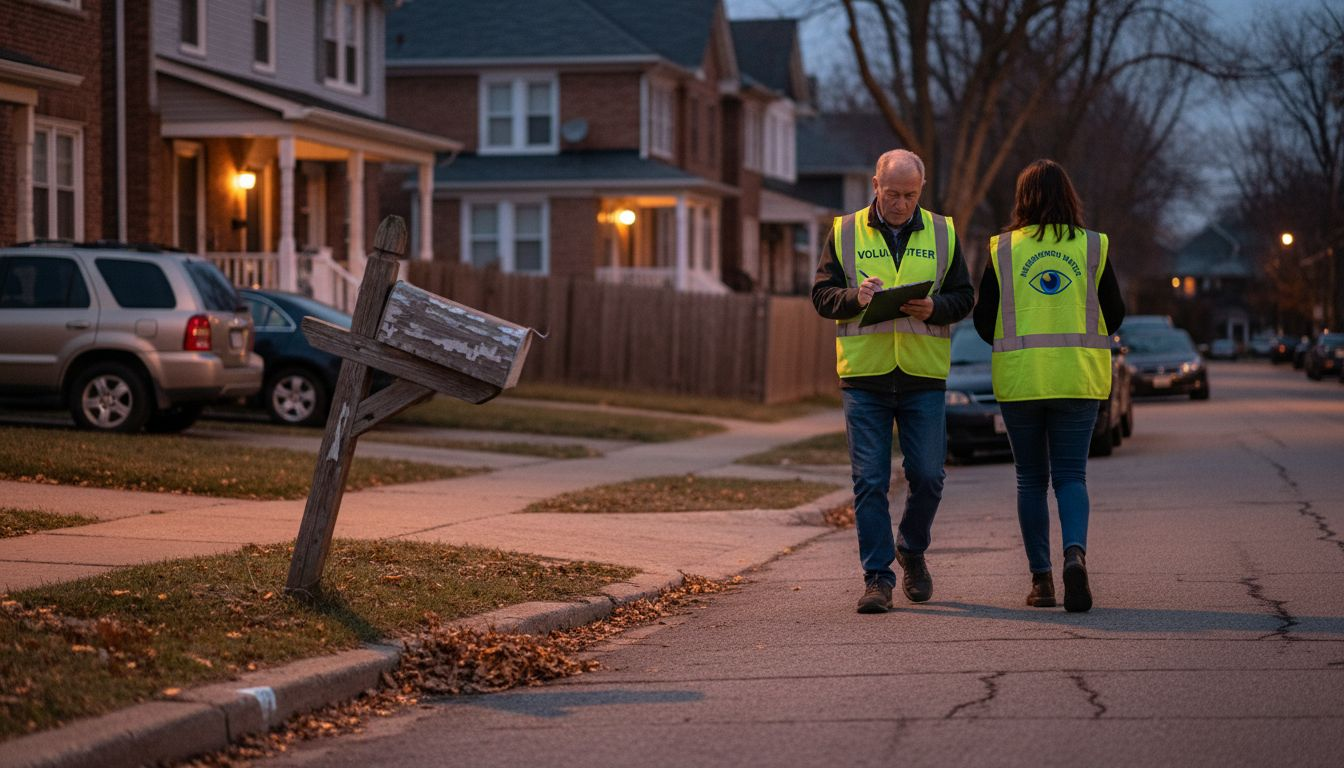
Here’s a quick comparison of Neighborhood Watch program types and their distinct benefits:
| Program Type | Key Advantages | Best Suited For |
|---|---|---|
| Traditional | Builds strong local relationships | Stable residential neighborhoods |
| Technology-Enhanced | Enables rapid, wide information flow | Urban and digitally connected areas |
| Specialized Community Safety | Addresses unique group needs | Seniors, students, rural zones |
Pro tip: Research and evaluate multiple Neighborhood Watch models to find the best fit for your specific community’s safety requirements.
How Neighborhood Watch Operates Locally
Community-based partnerships with local authorities form the backbone of effective Neighborhood Watch programs, transforming local safety strategies through collaborative community engagement. These grassroots initiatives empower residents to actively participate in protecting their neighborhoods.
Core Local Operation Mechanisms
Neighborhood Watch groups typically organize around several key operational strategies:
- Establishing designated communication channels
- Creating resident patrol schedules
- Developing systematic reporting protocols
- Coordinating with local law enforcement
- Maintaining detailed incident documentation
Community Engagement Approaches
Resident teams conduct systematic neighborhood monitoring through structured activities that enhance community safety:
- Regular neighborhood walking patrols
- Identifying and reporting suspicious activities
- Hosting community safety workshops
- Distributing safety educational materials
- Organizing community security training sessions
Collaborative Infrastructure
Successful local Neighborhood Watch programs rely on multiple collaborative elements:
- Strong relationships with local police departments
- Municipal government support
- Partnerships with local businesses
- Volunteer recruitment and training
- Transparent communication networks
Effective local Neighborhood Watch programs transform passive residents into active community safety advocates.
The most successful initiatives view community safety as a shared responsibility, creating adaptive systems that respond quickly to emerging local security challenges.
Pro tip: Develop a comprehensive contact list of local emergency services and create clear communication protocols for reporting suspicious activities.
Legal Boundaries and Law Enforcement Partnerships
Neighborhood Watch legal frameworks establish critical guidelines that define the precise interaction between community volunteers and law enforcement agencies. These partnerships require careful navigation of legal boundaries to ensure community safety without overstepping citizen authority.
Core Legal Constraints
Neighborhood Watch programs must adhere to strict legal parameters:
- No direct law enforcement powers
- Strict observation-only protocols
- Mandatory reporting to professional authorities
- Prohibition of personal confrontations
- Clear documentation of witnessed incidents
Policing Boundary Dynamics
Racial dynamics significantly influence neighborhood policing practices, creating complex legal and social interactions within community safety efforts. Understanding these nuanced relationships becomes crucial for ethical program implementation.
Partnership Operational Guidelines
Successful law enforcement collaborations require:
- Regular community training sessions
- Transparent communication protocols
- Defined roles and responsibilities
- Ongoing legal compliance education
- Mutual respect and trust development
Legal boundaries protect both community volunteers and law enforcement by establishing clear, ethical engagement standards.
Effective Neighborhood Watch programs recognize that legal compliance is not a constraint but a fundamental mechanism for maintaining community safety and trust.
Pro tip: Always consult local law enforcement to understand specific legal guidelines governing your Neighborhood Watch group’s activities.
Responsibilities, Risks, and Common Mistakes
Community surveillance responsibilities represent a complex balance between community engagement and personal safety. Neighborhood Watch participants must navigate intricate ethical and legal boundaries while maintaining vigilant yet responsible community protection strategies.
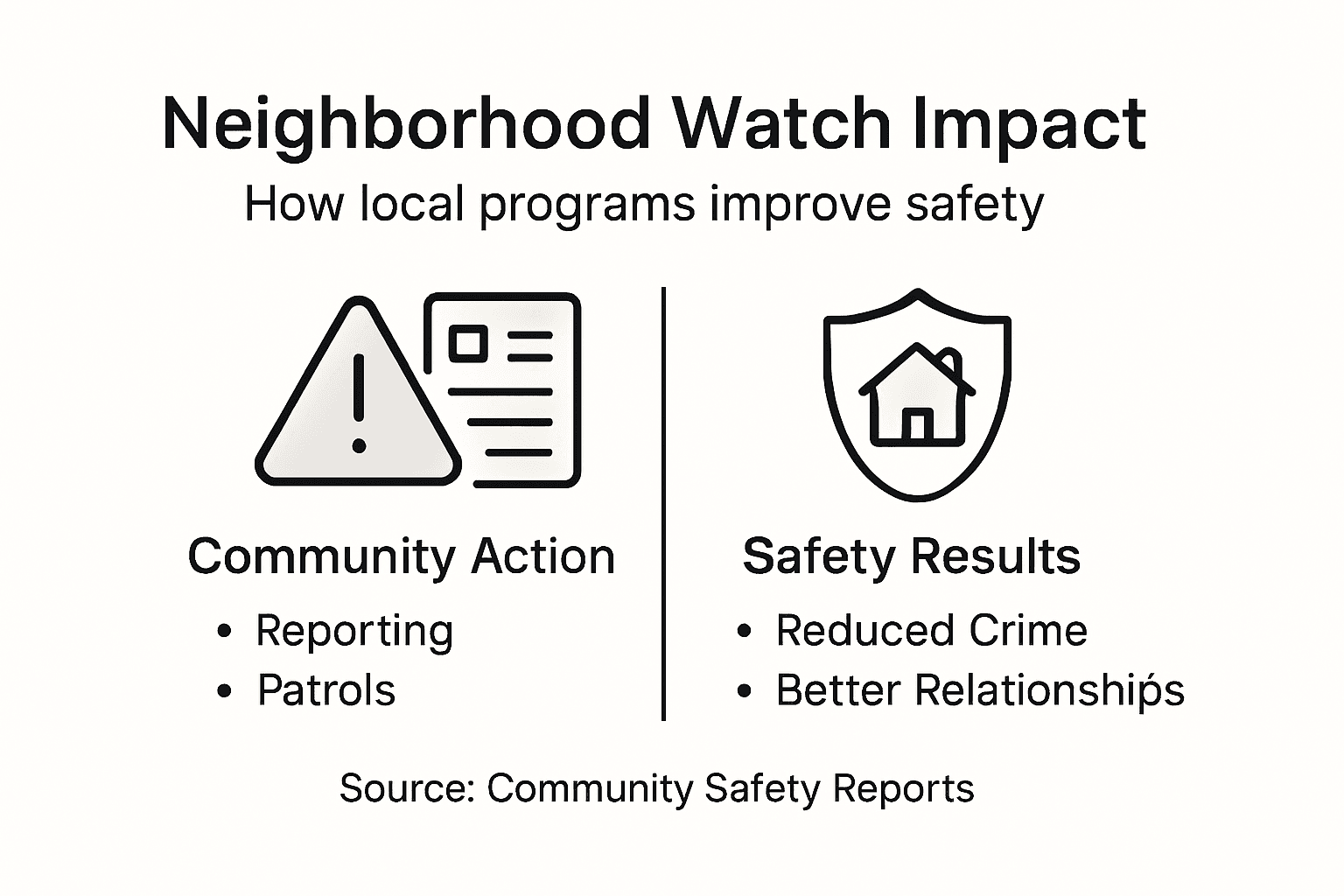
Core Participant Responsibilities
Neighborhood Watch members are expected to:
- Observe and report suspicious activities
- Communicate effectively with local authorities
- Maintain detailed incident documentation
- Participate in community safety training
- Respect individual privacy rights
- Avoid personal confrontations
Potential Program Risks
Neighborhood Watch programs carry significant potential risks that require careful management:
- Potential for ethnic or racial profiling
- Risk of excessive social control
- Possibility of escalating neighborhood tensions
- Misidentification of suspicious activities
- Unintentional privacy violations
- Legal liability concerns
Common Operational Mistakes
Frequent errors that compromise Neighborhood Watch effectiveness include:
- Insufficient volunteer training
- Unclear understanding of legal boundaries
- Overstepping volunteer authority
- Inadequate communication with law enforcement
- Inconsistent reporting protocols
- Lack of diverse community representation
Successful Neighborhood Watch programs prioritize education, restraint, and collaborative community engagement over confrontational approaches.
Effective programs recognize that community safety requires nuanced understanding, continuous learning, and respectful interaction with diverse neighborhood dynamics.
Below is a summary of common Neighborhood Watch participant pitfalls and how to effectively avoid them:
| Common Mistake | Practical Prevention Tip |
|---|---|
| Inadequate volunteer training | Hold regular skill-building workshops |
| Overstepping legal roles | Emphasize clear, updated legal guidance |
| Poor communication channels | Use reliable, unified information systems |
| Lack of diversity | Encourage broad, inclusive participation |
Pro tip: Regularly review and update your Neighborhood Watch guidelines to ensure they remain legally compliant and socially responsible.
Strengthen Community Safety in Waterlooville Today
Neighborhood Watch programs emphasize collective vigilance and responsible community engagement to reduce crime and build trust. If you live in Waterlooville, staying informed and connected with local resources is essential to making your neighborhood safer and more secure. The challenges of navigating legal boundaries, effective communication, and inclusive participation require reliable local support.

Unlock the full potential of your neighborhood by accessing trusted contacts and services through Waterlooville.co, your comprehensive guide to local businesses and community information. Discover nearby safety resources, connect with essential service providers, and join a community dedicated to shared responsibility. Don’t wait until risks escalate. Visit Waterlooville.co now to take an active step toward a safer, more connected neighborhood and empower yourself with knowledge and local support.
Frequently Asked Questions
What is a Neighborhood Watch program?
Neighborhood Watch is a community safety initiative where residents work together to monitor and report suspicious activities to enhance neighborhood security, often in collaboration with local law enforcement.
How do Neighborhood Watch programs operate locally?
Neighborhood Watch programs typically establish communication channels, create resident patrol schedules, and develop reporting protocols to engage the community in systematic monitoring of their neighborhoods.
What are the responsibilities of Neighborhood Watch members?
Members are expected to observe and report suspicious activities, communicate effectively with local authorities, document incidents, participate in safety training, and respect individual privacy rights.
What are common mistakes made by Neighborhood Watch programs?
Common mistakes include insufficient volunteer training, unclear understanding of legal boundaries, poor communication with law enforcement, and lack of diversity within program participants.
Recommended
- Waterlooville News | Local News & Updates | Waterlooville.co
- Waterlooville News - Waterlooville Directory | Waterlooville.co
- Blog - Waterlooville News, Tips & Community Stories | Waterlooville.co
- Areas We Cover | Waterlooville Directory | Waterlooville.co
- 7 Key Benefits of Video Surveillance for Essex Businesses - 247 CCTV Security Ltd