
Neighbourhood Development Explained: Complete Guide
Neighbourhood development guide covers core concepts, types, planning processes, key stakeholders, benefits, and challenges in communities.
Neighbourhood Development Explained: Complete Guide
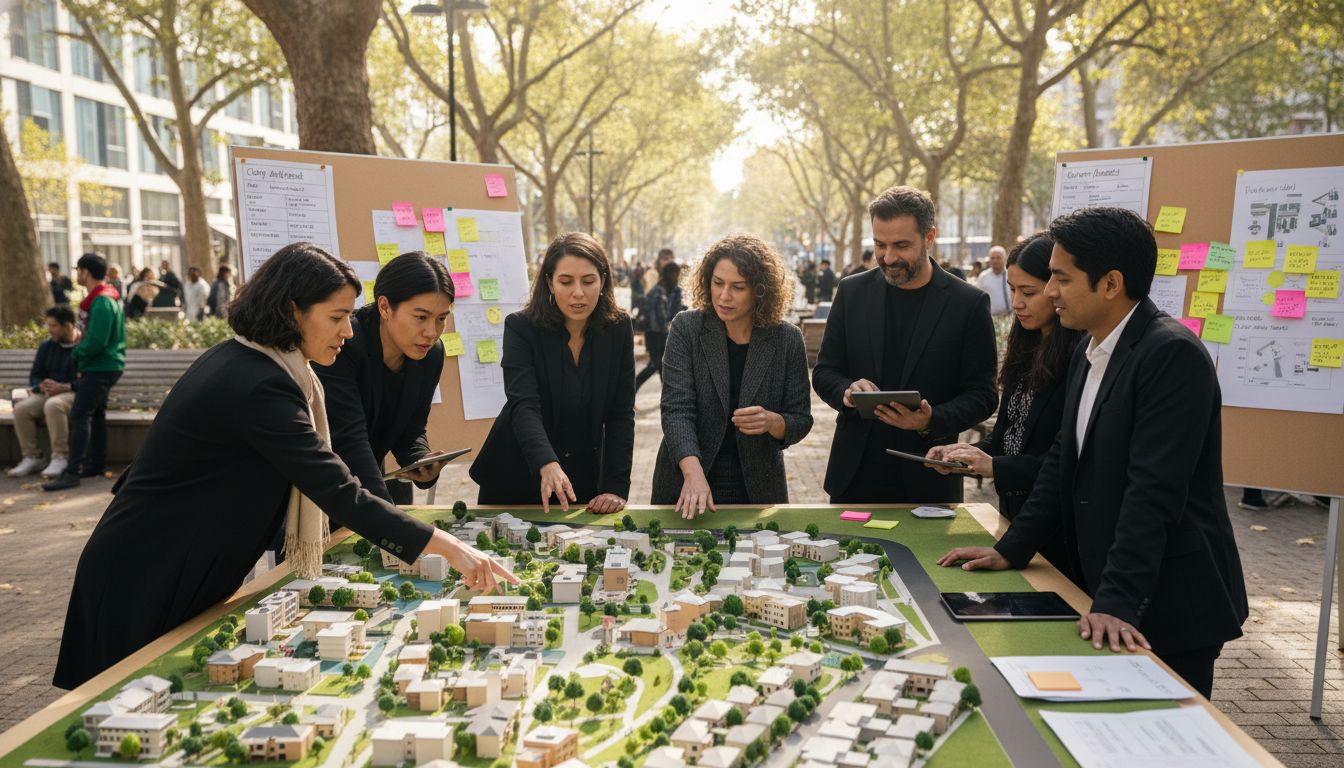
Urban neighborhoods shape much more than city skylines. Studies examining 1,667 cities show that neighborhood design directly impacts how people live, connect, and thrive. When planners get it right, communities benefit from safer streets, richer amenities, and a stronger sense of belonging. Understanding the key concepts behind neighborhood development helps us see what makes a place feel like home and why some areas succeed where others struggle.
Table of Contents
- Defining Neighbourhood Development Concepts
- Major Types and Approaches Explained
- Essential Stakeholders and Their Roles
- Planning Process and Implementation Steps
- Common Benefits and Challenges
- Comparing Neighbourhood and Regional Development
Key Takeaways
| Point | Details |
|---|---|
| Holistic Design Principles | Neighbourhood development prioritizes human-centric design, integrating social, environmental, and technological factors for sustainable living environments. |
| Stakeholder Collaboration | Effective neighbourhood development requires collaboration among local residents, governments, planners, and developers to align community values and visions. |
| Strategic Planning Framework | A comprehensive approach to planning, including community assessments and phased implementation, is essential for responsive neighbourhood design. |
| Balancing Benefits and Challenges | While neighbourhood development enhances connectivity and social cohesion, it also faces challenges like cost and gentrification risk, necessitating thoughtful management strategies. |
Defining Neighbourhood Development Concepts
Neighbourhood development represents a strategic approach to urban planning that focuses on creating cohesive, functional, and sustainable residential environments. According to research from arXiv, understanding urban forms is critical for enhancing city design, with studies analyzing neighborhood structures across 1,667 global cities to identify key patterns and characteristics.
At its core, neighbourhood development involves designing residential areas that balance multiple community needs. The concept emerged from early 20th-century urban planning theories, most notably the neighbourhood unit model developed by Clarence Perry. Wikipedia explains that this model aimed to create self-contained residential zones with integrated essential services, promoting community identity and improving urban safety.
Key features of effective neighbourhood development typically include:
- Strategic spatial design
- Integrated community services
- Walkable infrastructure
- Mixed residential configurations
- Green spaces and public amenities
Modern neighbourhood development goes beyond traditional urban planning by considering complex factors like social interactions, environmental sustainability, and resident well-being. By prioritizing human-centric design principles, urban planners can create living spaces that are not just functional, but genuinely supportive of community life and individual needs.
Major Types and Approaches Explained
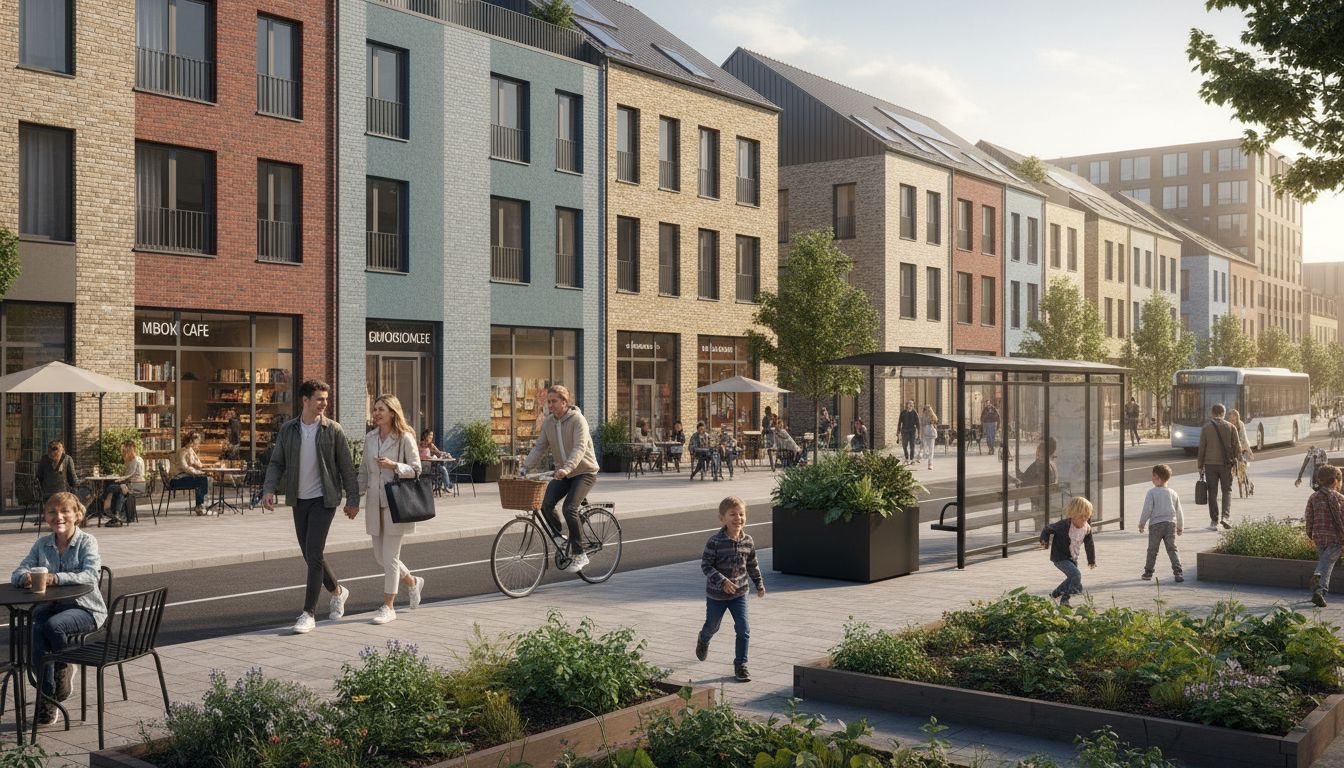
Neighbourhood development encompasses diverse methodologies, each with unique strategies for creating vibrant, functional communities. One prominent approach is Asset-Based Community Development (ABCD), which Wikipedia reveals focuses on leveraging existing community strengths to drive positive transformation, empowering residents to become active change agents in their local environment.
Traditional and modern neighbourhood development approaches differ significantly in their design philosophies. According to research from Sociology Institute, traditional neighborhoods are characterized by close-knit community structures and walkable spaces, while emerging models like ‘technoburbs’ integrate advanced technology and smart infrastructure to enhance urban living experiences.
Key Types of Neighbourhood Development Approaches:
- Asset-Based Community Development: Emphasizes local strengths and resident empowerment
- Traditional Community Planning: Focuses on walkable, interconnected neighborhood designs
- Smart Urban Development: Integrates technology and sustainable infrastructure
- Ecological Neighborhood Design: Prioritizes environmental sustainability and green spaces
- Mixed-Use Urban Planning: Combines residential, commercial, and recreational spaces
Successful neighbourhood development requires a nuanced understanding of community dynamics, technological possibilities, and human-centric design principles. By blending traditional community values with innovative approaches, urban planners can create living environments that are adaptive, inclusive, and responsive to evolving social and technological landscapes.
Essential Stakeholders and Their Roles
Neighbourhood development is a complex collaborative process involving multiple stakeholders who each play crucial roles in shaping community outcomes. Research from Pure highlights the importance of understanding the different approaches stakeholders can take, distinguishing between asset-oriented and needs-based community development strategies.
Key stakeholders in neighbourhood development typically include local residents, municipal governments, urban planners, community organizations, and private developers. According to Wikipedia, community involvement is particularly critical, with theories like defensible space emphasizing how residents can actively contribute to neighborhood safety and social cohesion through environmental design and collective engagement.
Stakeholder Roles and Responsibilities:
- Local Residents: Provide community insights, participate in planning, drive grassroots initiatives
- Municipal Governments: Create policy frameworks, allocate resources, approve development plans
- Urban Planners: Design sustainable neighborhood layouts, integrate community needs
- Community Organizations: Facilitate communication, support local projects, advocate for community interests
- Private Developers: Invest in infrastructure, create housing and commercial spaces
Successful neighbourhood development requires genuine collaboration and mutual understanding among these stakeholders. By creating transparent communication channels and shared vision, communities can develop innovative, responsive environments that truly reflect the diverse needs and aspirations of their residents.
Planning Process and Implementation Steps
Neighbourhood development requires a systematic and comprehensive approach to transformation. The Sustainable Urban Neighbourhood (SUN) model, as outlined by Wikipedia, provides a holistic framework that integrates social, economic, and environmental sustainability into urban planning strategies, emphasizing community involvement and mixed-use development.
Research from arXiv highlights the importance of predictive modeling in urban development, demonstrating how advanced analytics can help planners assess potential impacts on transportation and infrastructure before implementation. This data-driven approach allows for more precise and responsive neighbourhood design that anticipates community needs.
Key Implementation Steps for Neighbourhood Development:
- Comprehensive Community Assessment
- Conduct detailed demographic studies
- Gather resident feedback and preferences
- Analyze existing infrastructure and resources
- Strategic Planning Phase
- Develop integrated development framework
- Create sustainability and accessibility goals
- Design mixed-use spatial configurations
- Collaborative Design and Validation
- Host community engagement workshops
- Validate proposed plans with stakeholders
- Incorporate iterative feedback mechanisms
- Phased Implementation Strategy
- Establish clear project milestones
- Allocate resources systematically
- Monitor and adjust development progress
Successful neighbourhood development is an adaptive, collaborative process that requires continuous communication, flexible planning, and a genuine commitment to community well-being. By integrating technological insights, community perspectives, and sustainable design principles, urban planners can create dynamic, resilient neighbourhoods that evolve with their residents’ changing needs.
Common Benefits and Challenges
Neighbourhood development is a nuanced process with profound implications for community life. Wikipedia explores the neighbourhood effect, revealing how living environments substantially influence individual behaviors, social interactions, and personal outcomes, highlighting the complex interplay between urban design and human experience.
Research from arXiv compares urban morphogenesis models, uncovering the intricate challenges in achieving optimal neighbourhood structures. These studies demonstrate that successful development requires balancing multiple competing priorities and navigating complex social and infrastructural dynamics.
Key Benefits of Neighbourhood Development:
- Enhanced community connectivity
- Improved social cohesion
- Increased property values
- Better access to shared resources
- More sustainable living environments
Significant Challenges:
- High implementation costs
- Potential gentrification risks
- Complex stakeholder negotiations
- Infrastructure adaptation requirements
- Balancing diverse community needs
Effective neighbourhood development demands a delicate balance between visionary planning and pragmatic implementation. By understanding potential challenges and proactively addressing community concerns, urban planners can create resilient, adaptive environments that genuinely serve residents’ evolving needs and aspirations.
Comparing Neighbourhood and Regional Development
Neighbourhood development and regional development represent two distinct yet interconnected approaches to urban planning and community design. Wikipedia highlights the neighbourhood unit concept as a focused strategy emphasizing small-scale, self-contained communities, which fundamentally differs from broader regional development approaches that address comprehensive economic and infrastructural planning.
Research from arXiv provides sophisticated insights into the structural differences between neighbourhood and regional networks, revealing complex interactions that influence development strategies. These studies demonstrate how network complexity varies across different scales, with neighbourhood initiatives typically being more localized and responsive to immediate community needs.
Key Comparative Characteristics:
-
Neighbourhood Development:
- Micro-level focus
- Community-driven initiatives
- Immediate social interactions
- Small-scale infrastructure improvements
-
Regional Development:
- Macro-level perspective
- Economic and strategic planning
- Large-scale infrastructure projects
- Broader economic ecosystem considerations
Understanding the nuanced differences between neighbourhood and regional development allows urban planners to create more targeted, effective strategies. While neighbourhood development concentrates on community-specific needs and social dynamics, regional development provides the broader strategic framework that supports and connects these localized efforts, ultimately creating more cohesive and sustainable urban environments.

Discover How Waterlooville Supports Vibrant Neighbourhood Development
Neighbourhood development focuses on building strong, connected communities that thrive through shared spaces, local services, and resident involvement. If you want to experience firsthand how strategic planning and community engagement transform everyday living, explore the diverse offerings within Waterlooville. From trusted local heating engineers to welcoming cafes, every service contributes to a well-rounded, walkable neighborhood where your needs are met close to home.

Take action now to connect with the vibrant network that shapes Waterlooville’s neighborhoods. Visit Waterlooville local guide to discover businesses, community initiatives, and resources that echo key neighbourhood development principles. Join your neighbors in supporting local commerce and fostering a safe, inclusive, and sustainable environment today.
Frequently Asked Questions
What is neighbourhood development?
Neighbourhood development is a strategic approach to urban planning that focuses on creating cohesive, functional, and sustainable residential environments that meet various community needs.
What are the key features of effective neighbourhood development?
Key features include strategic spatial design, integrated community services, walkable infrastructure, mixed residential configurations, and green spaces and public amenities.
What are the different approaches to neighbourhood development?
Different approaches include Asset-Based Community Development, traditional community planning, smart urban development, ecological neighbourhood design, and mixed-use urban planning, each emphasizing unique strategies for creating vibrant communities.
Who are the essential stakeholders in the neighbourhood development process?
Essential stakeholders include local residents, municipal governments, urban planners, community organizations, and private developers, each playing vital roles in shaping community outcomes through collaboration and communication.
Recommended
- Blog - Waterlooville News, Tips & Community Stories | Waterlooville.co
- Horndean Guide | Local Businesses, Services & Information
- Waterlooville New Builds - Waterlooville Directory | Waterlooville.co
- Editorial Articles | Waterlooville Directory | Waterlooville.co
- 7 Neighbourhoods in Toronto Buyers Should Explore - Fanis Makrigiannis
Realtor® - Navigating Residential Development Finance & Funding Options in New Zealand - Mortgage Managers