
Neighborhood Forum Explained: Local Engagement in Action
Neighborhood forum guide: learn definitions, roles, formation steps, legal basics, and how local forums impact communities—Waterlooville focus.
Neighborhood Forum Explained: Local Engagement in Action
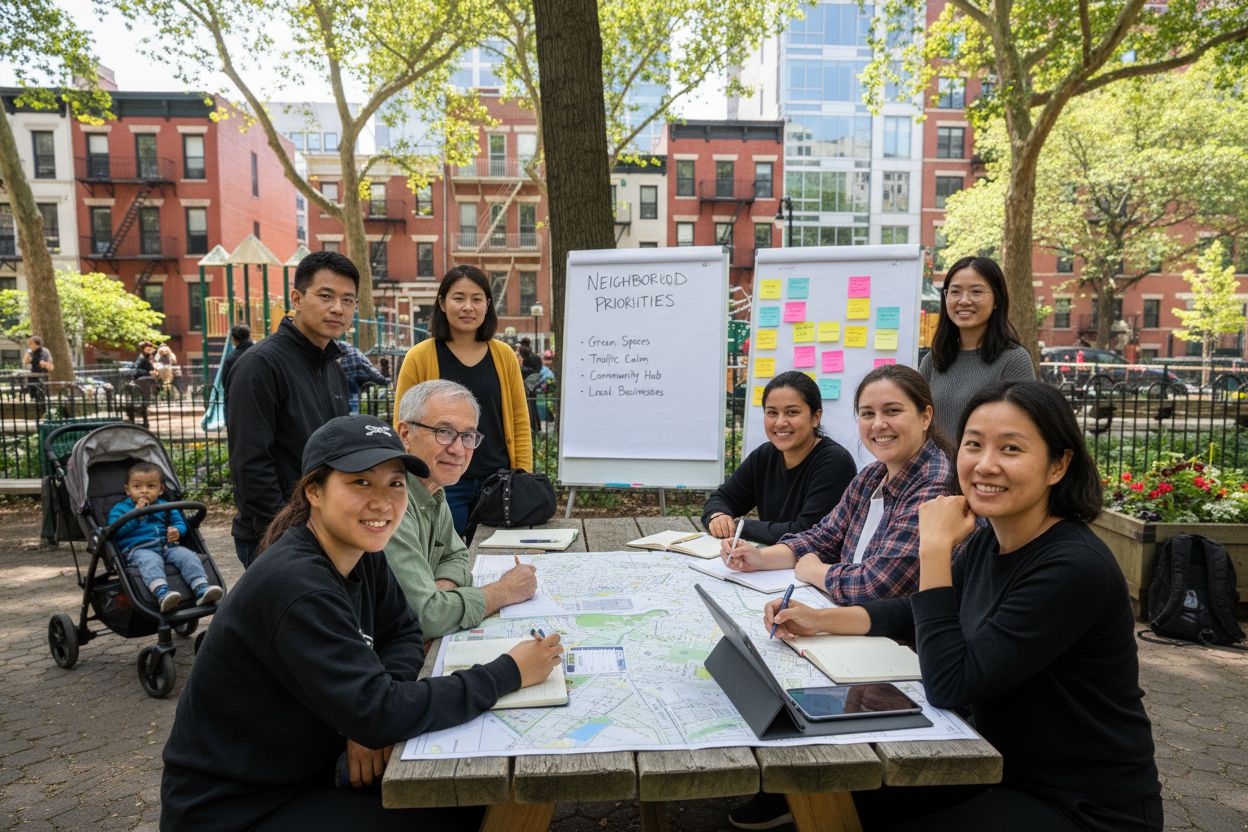
Did you know that over 50 percent of neighborhood plans in England are developed by grassroots forums rather than traditional councils? Local voices are gaining real power in shaping everything from parks to housing policies. Understanding how neighborhood forums work can help residents and property owners take a stronger role in decisions that impact daily life, community growth, and the look and feel of their streets.
Key Takeaways
| Point | Details |
|---|---|
| Empowerment through Community Engagement | Neighborhood forums enable residents to actively shape local governance and contribute to strategic planning. |
| Governance Models Variability | Forums vary between statutory bodies in England with formal planning authority and informal nonprofit associations in the US, affecting their operational capabilities. |
| Inclusive Operational Framework | Effective forums emphasize open membership, regular community meetings, and collaborative policy development to ensure diverse community representation. |
| Challenges to Participation | Common issues like demographic imbalances and procedural complexities can limit forum effectiveness, necessitating proactive strategies for inclusivity. |
Table of Contents
- What Is A Neighborhood Forum? Key Definitions
- Types Of Neighborhood Forums And Governance Models
- How Neighborhood Forums Operate Locally
- Legal Requirements And Responsibilities Explained
- Forming A Neighborhood Forum: Step-By-Step Process
- Benefits, Limitations, And Common Pitfalls
What Is a Neighborhood Forum? Key Definitions
A neighborhood forum is a powerful grassroots community organization designed to empower local residents in shaping their immediate environment and strategic planning. According to research from the Town and Country Planning Act 1990, these forums are specially designated community bodies that enable residents to actively participate in local governance, particularly in areas without established town or parish councils.
The primary purpose of a neighborhood forum is to represent the collective interests of local residents and create comprehensive neighborhood plans. These plans serve as strategic blueprints for community development, addressing critical aspects such as housing, infrastructure, environmental conservation, and social services.
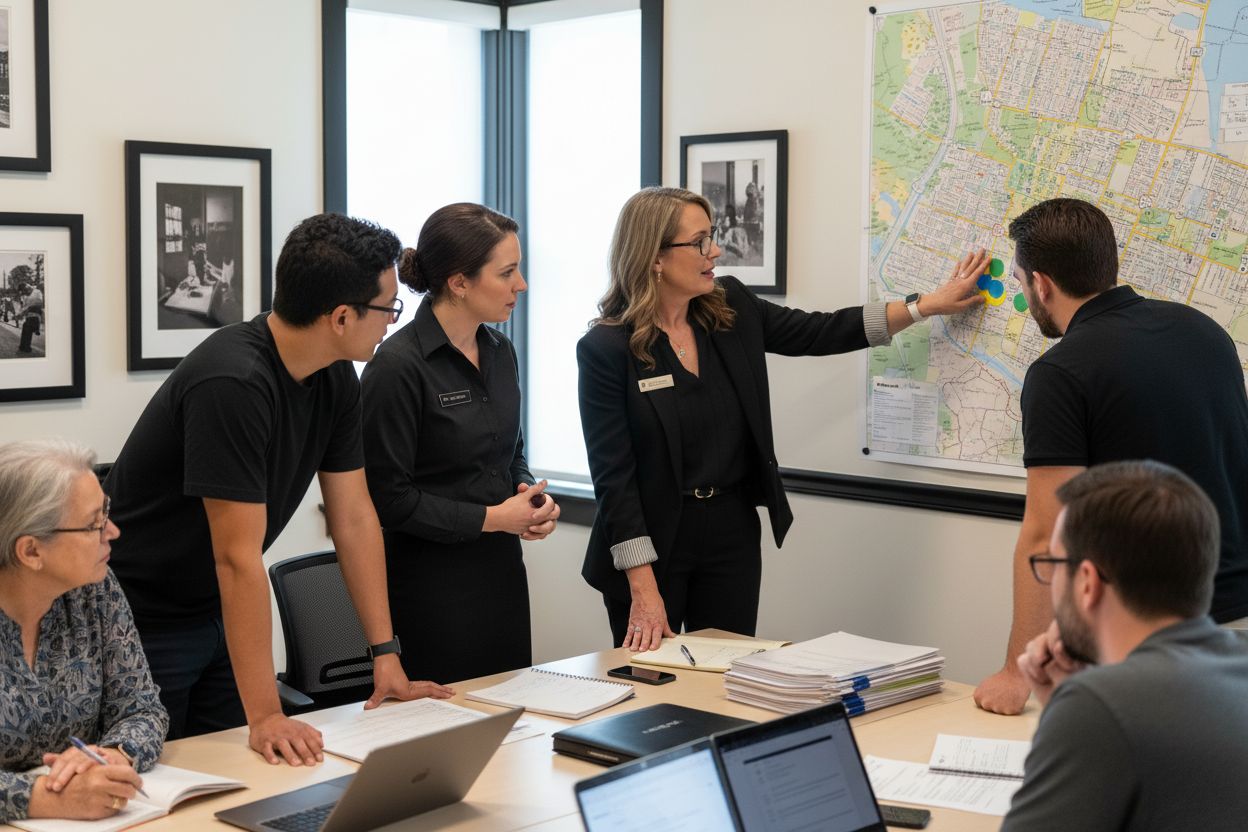 By providing a structured platform for community engagement, neighborhood forums give ordinary citizens a meaningful voice in local decision-making processes.
- Key Functions of Neighborhood Forums:
- Develop detailed neighborhood plans
- Represent community interests
- Facilitate public consultations
- Propose local policy recommendations
- Support sustainable community development
Neighborhood forums are more than just meetings or discussion groups. They represent a democratic approach to local governance, allowing residents to collectively shape the future of their community. Whether you’re a long-time resident or a newcomer, these forums provide an inclusive space to contribute ideas, address local challenges, and work collaboratively towards creating a vibrant, responsive local environment.
Types of Neighborhood Forums and Governance Models
Neighborhood forums emerge in diverse governance models, reflecting the unique needs and legal frameworks of different regions. According to research, these community organizations can be broadly categorized into two primary models: statutory governance frameworks and informal community associations. In England, neighborhood forums operate as formal statutory bodies with specific planning powers, while in the United States, they typically function as more flexible nonprofit community groups.
In the English context, neighbourhood forums are legally designated under the Town and Country Planning Act as alternative governance structures in unparished areas. These forums possess formal planning authorities, enabling them to create comprehensive neighborhood plans where traditional local councils are absent. As highlighted by research, they represent a structured approach to community representation and local strategic planning.
- Governance Models Comparison:
- English Statutory Forums
- Legal planning powers
- Formal governance structure
- Focus on comprehensive area development
- US Neighborhood Associations
- Informal nonprofit organizations
- Community advocacy focused
- Limited official planning authority
The United States model of neighborhood associations offers a more organic, community-driven approach. These groups, often formed by residents or property owners, focus on local improvement, community activities, and representing neighborhood interests. While they may lack the formal planning powers of their English counterparts, they play a crucial role in fostering community engagement, organizing local events, and advocating for neighborhood improvements through collaborative, grassroots efforts.
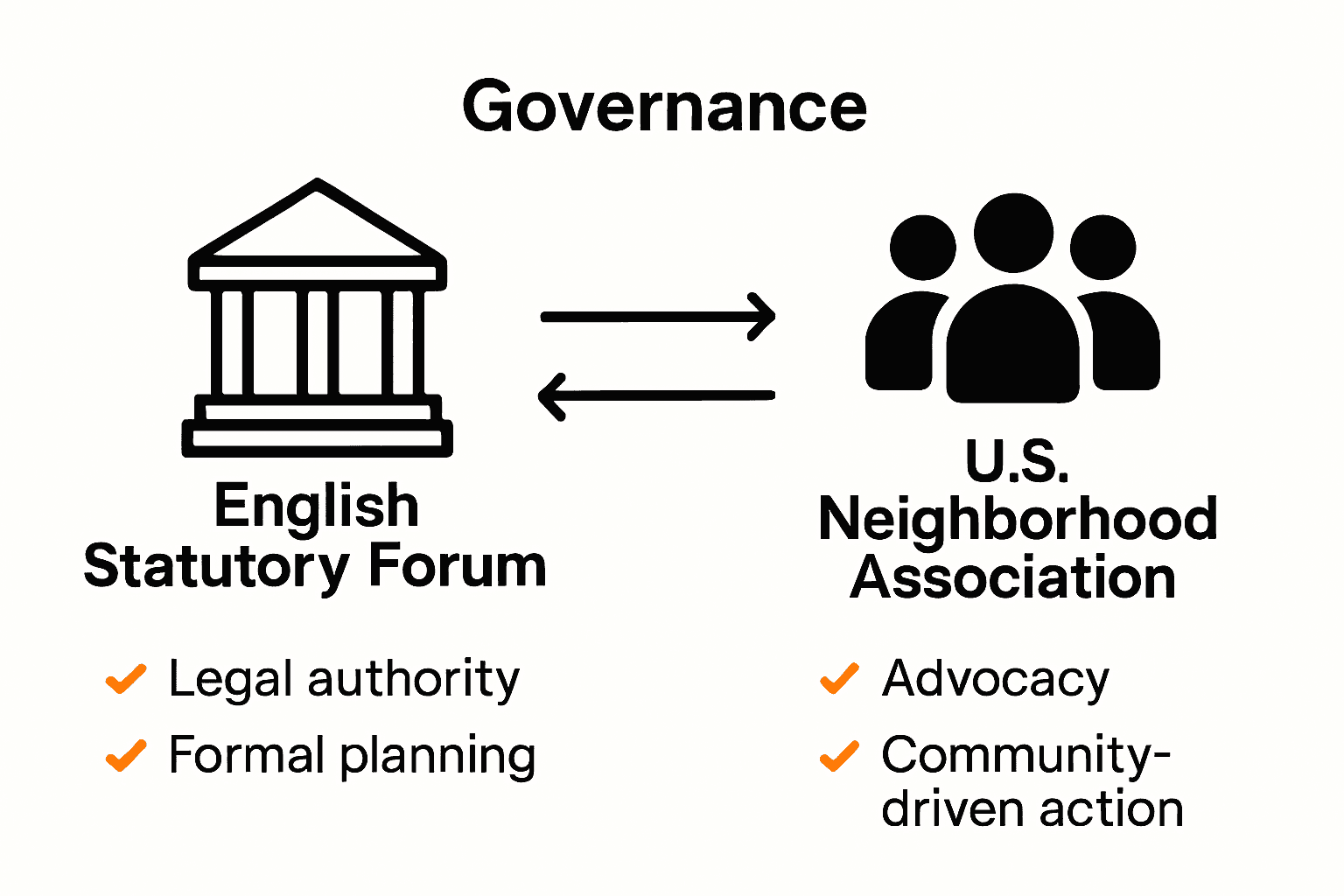
Here’s a comparison of neighborhood forum governance models:
| Feature | English Statutory Forums | US Neighborhood Associations |
|---|---|---|
| Legal Status | Formal statutory body | Informal nonprofit group |
| Planning Powers | Legal planning authority | Advisory role only |
| Governance Structure | Structured, regulated | Flexible, community-driven |
| Focus Areas | Area development Strategic planning |
Advocacy Local activities |
| Official Recognition | Required by law | Optional, community-led |
How Neighborhood Forums Operate Locally
Neighborhood forums operate through a dynamic and inclusive approach that prioritizes community participation and collaborative decision-making. According to research from the Old Bermondsey Village Neighbourhood Forum, these organizations typically maintain an open membership structure that welcomes residents, local businesses, and community organizations to contribute actively to local governance and planning initiatives.
The operational framework of neighborhood forums involves creating specialized working groups focused on developing comprehensive policies and neighborhood plans. As demonstrated by research from community engagement projects, these forums frequently organize quarterly meetings (or more frequently as needed) to facilitate transparent communication. During these sessions, project leaders introduce ongoing initiatives, explain current work, address community questions, and create meaningful opportunities for stakeholder engagement.
- Key Operational Components:
- Open membership policy
- Regular community meetings
- Collaborative working groups
- Transparent policy development
- Inclusive decision-making processes
Effective neighborhood forums create structured yet flexible mechanisms for community input. They typically establish clear communication channels, develop mechanisms for collecting resident feedback, and create platforms where community members can propose, discuss, and vote on local initiatives. This approach ensures that neighborhood forums remain responsive to community needs, adaptable to changing local circumstances, and committed to representing the collective interests of their local area.
Legal Requirements and Responsibilities Explained
Neighborhood forums operate within a complex legal framework that defines their powers, responsibilities, and operational guidelines. According to the Town and Country Planning Act 1990, these community bodies must meet specific legal criteria to gain official designation and planning authorization. Legal recognition is not automatic but requires a structured application process demonstrating the forum’s commitment to representing local community interests.
The Localism Act provides a critical legal mechanism for neighborhood forums, enabling local communities to create comprehensive neighborhood plans. As demonstrated by the Norland Conservation Society’s application, once a neighborhood forum is officially designated, it gains exclusive planning authority for its specific geographic area. This means no other organization can be designated for the same region until the current forum’s designation expires or is voluntarily withdrawn.
- Key Legal Requirements:
- Formal application process
- Demonstrated community representation
- Compliance with planning legislation
- Transparent governance structure
- Regular reporting and accountability
Legal responsibilities extend beyond initial designation. Neighborhood forums must maintain ongoing compliance with local governance standards, which includes maintaining an open and inclusive membership, developing transparent decision-making processes, and regularly engaging with community stakeholders. These legal obligations ensure that neighborhood forums remain accountable, representative, and focused on addressing the genuine needs and aspirations of their local communities.
Forming a Neighborhood Forum: Step-by-Step Process
Forming a neighborhood forum requires careful planning, community engagement, and adherence to specific legal procedures. According to research from local governance documentation, the initial step involves building a core group of committed community members who represent diverse local interests and are passionate about neighborhood development. This foundational team will be responsible for driving the forum’s formation and demonstrating broad community support.
The formal process of establishing a neighborhood forum involves submitting a detailed application to the local planning authority. As highlighted by research from the Localism Act implementation, this application must comprehensively demonstrate the group’s ability to represent the entire neighborhood. Key requirements typically include proving community representation, establishing clear membership criteria, and outlining the proposed geographic boundaries of the forum’s operational area.
- Core Formation Steps:
- Assemble a diverse core group of community representatives
- Define clear geographic boundaries
- Draft initial governance documents
- Develop membership recruitment strategy
- Prepare comprehensive application materials
Once officially designated, the neighborhood forum enters its operational phase. This involves establishing working groups, conducting regular public meetings, and beginning the critical work of developing a comprehensive neighborhood plan. The Old Bermondsey Village Neighbourhood Forum’s constitution provides an excellent template, emphasizing the importance of transparent processes, inclusive decision-making, and ongoing community engagement. Successful forums create structured mechanisms for continuous communication, ensuring that the community remains actively involved in local planning and development initiatives.
Benefits, Limitations, and Common Pitfalls
Neighborhood forums represent a powerful mechanism for community engagement, offering significant potential for local democratic participation. These platforms enable residents to directly influence local planning, infrastructure development, and policy creation. By providing a structured approach to community input, neighborhood forums create opportunities for citizens to transform their local environments through collaborative decision-making and strategic planning.
However, research highlights critical limitations that can undermine the effectiveness of these community organizations. According to urban planning studies, participation bias remains a significant challenge. Community input processes frequently skew towards older, white homeowners, potentially creating unrepresentative outcomes that don’t reflect the broader community’s diverse interests and needs. This demographic imbalance can lead to policy recommendations that inadvertently marginalize younger residents, renters, and minority communities.
- Key Challenges in Neighborhood Forums:
- Limited demographic representation
- Risk of insider-dominated decision-making
- Potential for procedural complexity
- Uneven participation levels
- Resource constraints for comprehensive engagement
Successful neighborhood forums must proactively address these potential pitfalls by implementing inclusive recruitment strategies, creating multiple engagement channels, and developing transparent mechanisms that encourage diverse community participation. This might include digital feedback platforms, multilingual communication, flexible meeting schedules, and deliberate outreach to traditionally underrepresented groups. By recognizing and actively mitigating these limitations, neighborhood forums can evolve into more dynamic, equitable platforms for genuine community representation and collaborative local governance.
Ready to Bring Real Community Change to Waterlooville?
Feeling left out of local decisions or concerned your neighborhood’s voice is not being heard? The article showed how neighborhood forums can easily turn into echo chambers for a select few. When participation is limited or unbalanced, important needs are missed. If you want genuine representation and access to all that Waterlooville has to offer, there is a better way.

With Waterlooville.co you get more than news or business directories. You gain a direct line to the heart of Waterlooville life. Explore detailed community information to connect with local groups and events. Find trusted service providers to support neighborhood improvement projects or your everyday needs. See how easy it is to get involved, stay informed, and create the inclusive community forum our town deserves. Visit now and make your voice count in Waterlooville.
Frequently Asked Questions
What is a neighborhood forum?
A neighborhood forum is a grassroots community organization that empowers local residents to participate in governance and strategic planning, creating comprehensive neighborhood plans that address issues such as housing, infrastructure, and community services.
How do neighborhood forums operate?
Neighborhood forums operate through open membership, regular meetings, and collaborative working groups, allowing community members to actively engage in decision-making and contribute to local planning initiatives.
What are the legal requirements for forming a neighborhood forum?
To form a neighborhood forum, a community must submit a formal application to the local planning authority, demonstrating community representation, clear membership criteria, and proposed operational boundaries, complying with the legal framework established by relevant planning legislation.
What are the benefits of participating in a neighborhood forum?
Participating in a neighborhood forum allows residents to directly influence local planning, infrastructure, and policy developments, fostering a sense of community ownership and encouraging collaborative decision-making for the betterment of the local area.