
Public Consultations Explained: Empowering Community Voices
Learn how public consultations work, key legal principles, types, roles, risks, and best practices for Waterlooville residents’ community engagement.
Public Consultations Explained: Empowering Community Voices
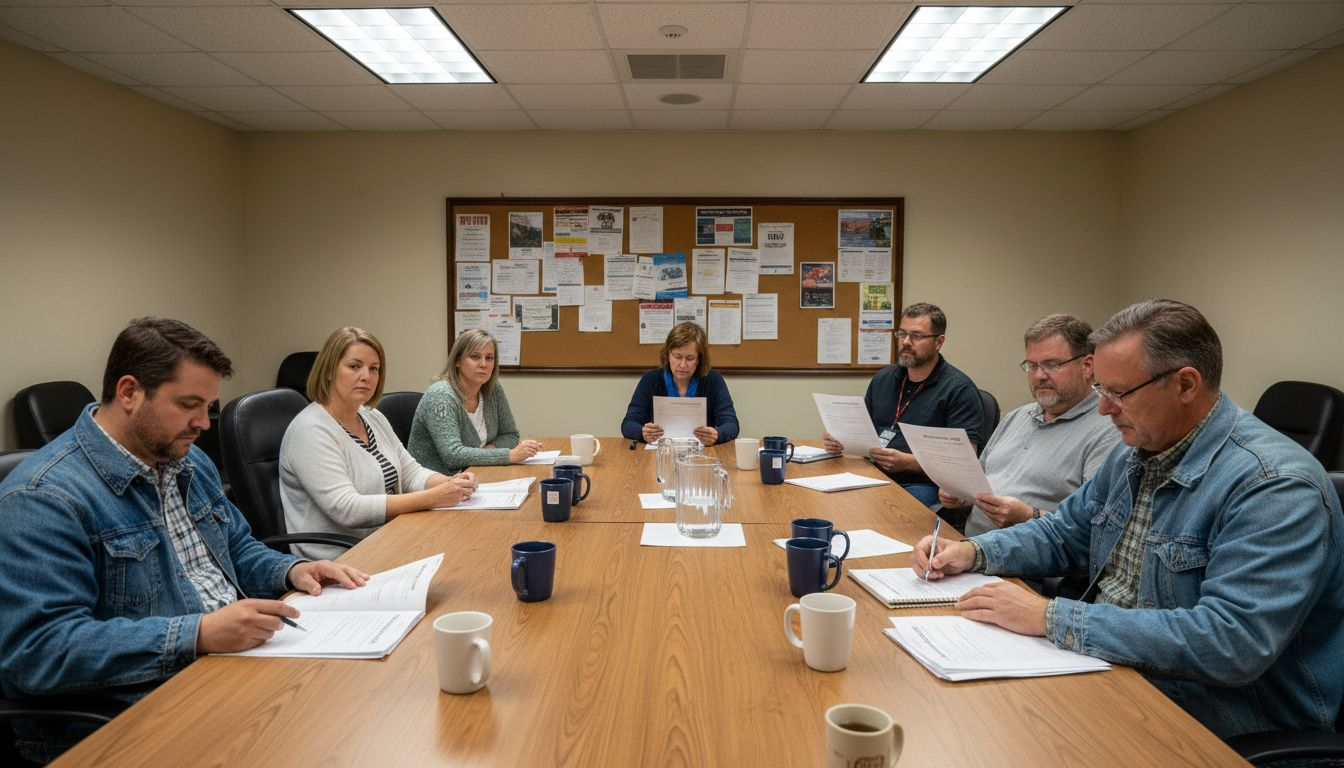
Every decision affecting Waterlooville—from neighborhood developments to local services—relies on community input, yet myths and misunderstandings can discourage meaningful participation. Understanding what truly defines public consultations makes it easier for residents to shape how policies are built and carried out. This guide breaks down the real purpose of consultations and tackles the common myths, helping Waterlooville voices become a vital part of local decision-making.
Table of Contents
- Defining Public Consultations And Common Myths
- Types Of Public Consultations And How They Differ
- How The Consultation Process Works Step By Step
- Legal Principles And Statutory Requirements
- Roles, Rights, And Responsibilities Of Participants
- Risks, Barriers, And How To Improve Engagement
Key Takeaways
| Point | Details |
|---|---|
| Public Consultations Foster Democracy | They serve as vital mechanisms for gathering community input and refining policy decisions. |
| Myths vs. Realities | Common misconceptions can undermine the effectiveness of consultations; realities require active engagement and transparency. |
| Diverse Consultation Types | Different strategies cater to various policy objectives and stakeholder groups; selecting the right type is crucial. |
| Legal Principles Ensure Integrity | Established legal frameworks promote transparency, inclusivity, and accountability in public participation processes. |
Defining Public Consultations and Common Myths
Public consultations represent a critical democratic mechanism for gathering community input and refining policy decisions. These structured engagement processes allow governments and organizations to collect diverse stakeholder perspectives before implementing significant changes. Stakeholder preferences are systematically aggregated to enhance both information quality and policy legitimacy.
At their core, public consultations serve three primary perspectives:
- Epistemic Perspective: Developing comprehensive knowledge for informed policymaking
- Democratic Perspective: Assessing public support and enhancing democratic participation
- Ethical Perspective: Ensuring moral considerations are integrated into policy development
Public consultation frameworks typically involve structured processes where stakeholders provide input through various channels like surveys, public meetings, online platforms, and written submissions. These mechanisms aim to create transparent and inclusive policy development environments.
However, public consultations are not without challenges. Common myths and misconceptions often undermine their effectiveness:
- Myth 1: All voices are equally represented
- Myth 2: Consultation guarantees policy changes
- Myth 3: Only experts can participate meaningfully
- Myth 4: Public consultations are merely a formality
In reality, these processes require active engagement, critical thinking, and a commitment to understanding diverse community perspectives. Successful public consultations demand robust design, clear communication, and genuine intention to incorporate stakeholder feedback.
Here’s a comparison of common myths versus realities in public consultations:
| Myth or Reality | Description | Real Impact on Policy |
|---|---|---|
| Myth: All voices are equally represented | Assumes equal participation from all groups | Key groups may be underrepresented |
| Myth: Consultation guarantees policy changes | Suggests feedback always alters proposals | Input informs but does not dictate decisions |
| Reality: Engagement must be active and critical | Requires thoughtful participation and preparation | High-quality input can shift outcomes |
| Reality: Design and feedback processes matter | Structure and transparency drive legitimacy | Well-designed consults boost public trust |
Pro tip: Always review consultation documents carefully and prepare thoughtful, specific feedback that addresses the core policy questions being explored.
Types of Public Consultations and How They Differ
Public consultations are not a one-size-fits-all approach but rather a diverse set of engagement strategies tailored to specific policy objectives. Public consultation types vary widely depending on the stakeholder groups, policy context, and desired outcomes.
The primary categories of public consultations include:
- Open Consultations: Accessible to the general public, allowing broad participation
- Targeted Consultations: Focused on specific stakeholder groups or expert communities
- Online Consultations: Digital platforms enabling widespread input collection
- In-Person Consultations: Direct engagement through public hearings and meetings
Consultation approaches differ based on underlying goals, ranging from broad participatory democracy initiatives to precise evidence-gathering exercises. Some consultations aim to co-create policy, while others seek feedback or simply inform stakeholders about proposed changes.
Key differences between consultation types emerge through several critical dimensions:
- Inclusivity level
- Formality of the process
- Depth of stakeholder engagement
- Methodology for collecting and analyzing input
Not all public consultations are created equal - their design reflects specific policy needs and democratic engagement strategies.
Understanding these variations helps participants and policymakers select the most appropriate consultation method for their specific context and objectives.
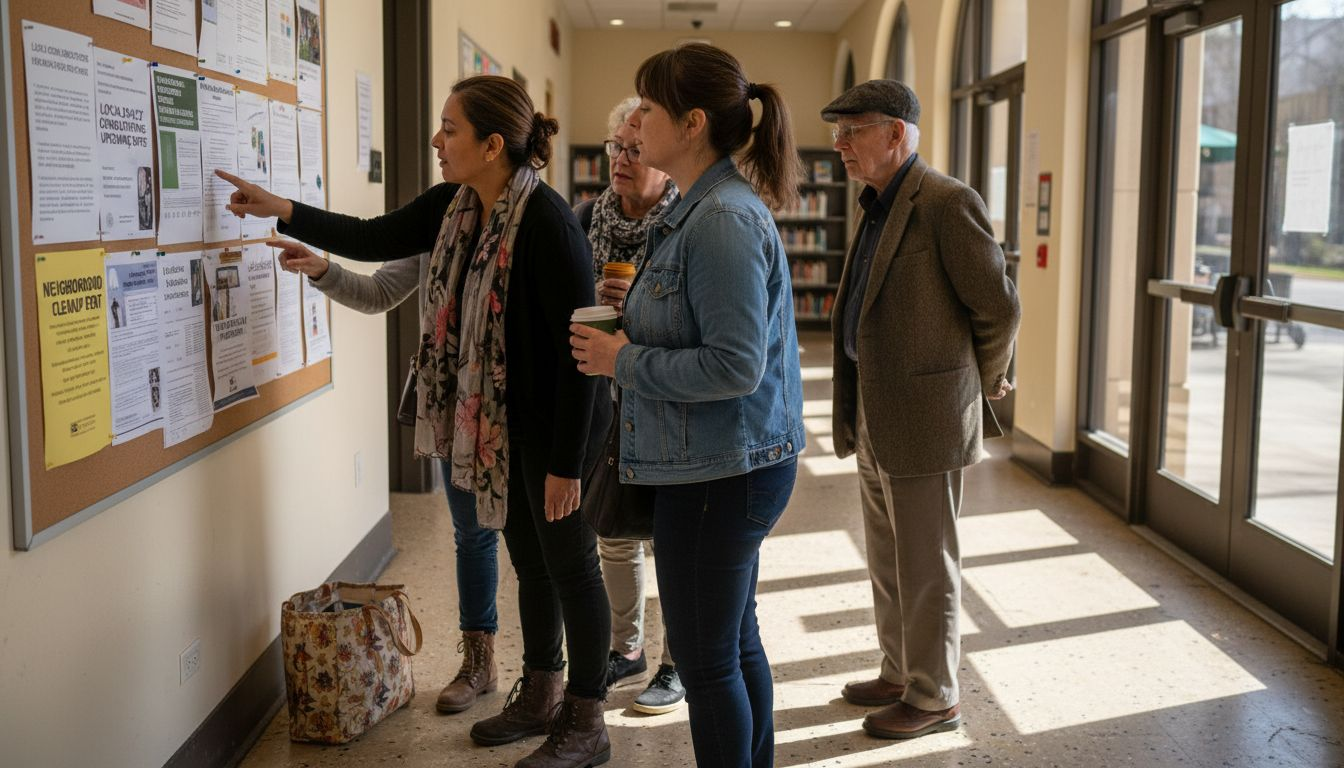
The table below summarizes key types of public consultations and when to use each:
| Consultation Type | Best Use Case | Participant Reach |
|---|---|---|
| Open Consultation | Broad public policy changes | Very wide, general population |
| Targeted Consultation | Specialist or high-impact issues | Specific groups, experts only |
| Online Consultation | Fast, scalable engagement | Regional, national, tech-savvy users |
| In-Person Consultation | Complex or sensitive topics | Localized, highly engaged stakeholders |
Pro tip: Always clarify the specific type and goals of a public consultation before investing time in participation.
How the Consultation Process Works Step by Step
Comprehensive consultation processes involve multiple strategic stages designed to ensure meaningful community engagement and effective policy development. Understanding these stages helps participants navigate and contribute more effectively to public decision-making processes.
The consultation process typically unfolds through the following key stages:
-
Planning and Objective Setting
- Define clear consultation goals
- Identify target stakeholder groups
- Determine appropriate consultation methods
-
Stakeholder Identification
- Map potential participants
- Assess stakeholder diversity and representation
- Develop inclusive outreach strategies
-
Consultation Design
- Select appropriate engagement tools
- Create clear communication materials
- Establish feedback collection mechanisms
-
Data Collection
- Implement chosen consultation methods
- Gather diverse perspectives and input
- Ensure accessible participation channels
Public consultation frameworks emphasize the critical importance of transparent data collection and analysis. After gathering stakeholder input, organizations must carefully synthesize the feedback to inform policy recommendations.
-
Feedback Analysis
- Review and categorize collected input
- Identify key themes and insights
- Assess potential policy implications
-
Reporting and Communication
- Develop comprehensive feedback reports
- Communicate outcomes transparently
- Explain how stakeholder input influenced decisions
Effective consultations are not just about collecting information, but demonstrating how that information meaningfully shapes policy outcomes.
Pro tip: Document your contributions during public consultations and request confirmation of receipt to ensure your input is properly recorded and considered.
Legal Principles and Statutory Requirements
Government consultation frameworks establish critical legal principles that ensure public participation processes are transparent, fair, and accountable. These statutory requirements create structured guidelines for meaningful community engagement in policy development.
Key legal principles governing public consultations include:
- Transparency: Complete disclosure of consultation objectives and processes
- Inclusivity: Ensuring diverse stakeholder representation
- Accessibility: Providing multiple participation channels
- Fairness: Equal opportunity for input across different community groups
- Accountability: Demonstrating how public input influences decision-making
International legal frameworks emphasize several core statutory requirements that protect democratic participation:
- Mandatory public notification periods
- Clear communication of consultation scope
- Reasonable response timeframes
- Comprehensive feedback mechanisms
- Documented consideration of public input
These legal principles are designed to prevent arbitrary decision-making and ensure that government processes remain responsive to community needs. Consultation regulations typically mandate:
- Minimum consultation duration
- Required notification methods
- Documentation of stakeholder engagement
- Transparent reporting of outcomes
Legal frameworks transform public consultations from optional conversations into structured, accountable democratic processes.
Pro tip: Always request and review the specific legal guidelines governing a public consultation to understand your rights and potential impact.
Roles, Rights, and Responsibilities of Participants
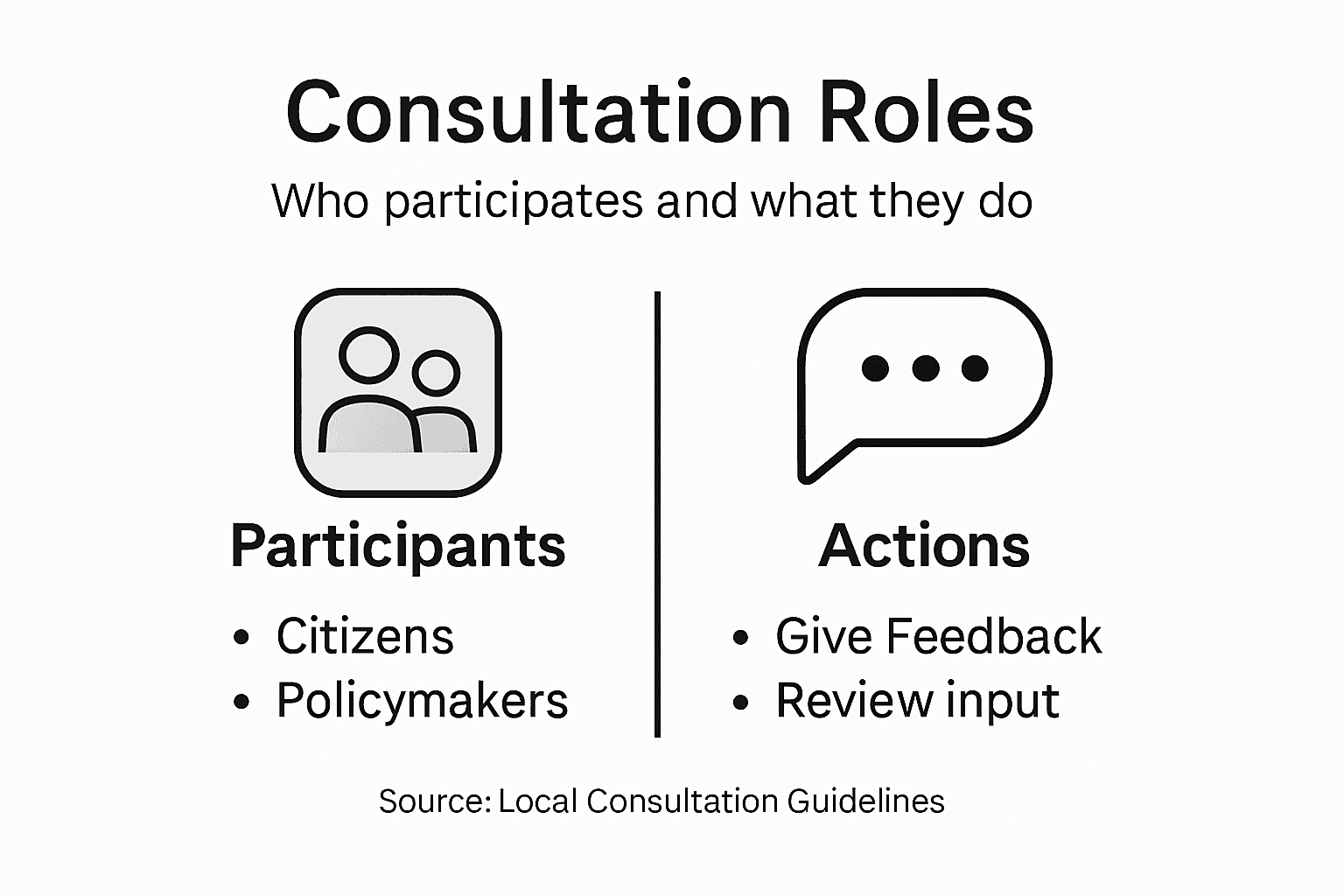
Public consultation participation involves a complex ecosystem of rights, roles, and responsibilities for all stakeholders. Understanding these dynamics ensures meaningful and productive engagement in democratic decision-making processes.
Key participant roles include:
- Citizens: Primary contributors providing community perspectives
- Government Officials: Process facilitators and policy designers
- Civil Society Representatives: Bridge between community and governance
- Business Stakeholders: Offering sector-specific expertise and insights
- Community Leaders: Representing collective neighborhood interests
Meaningful consultation frameworks outline specific responsibilities for each participant group:
- Provide accurate, relevant information
- Engage respectfully and constructively
- Listen to diverse perspectives
- Maintain transparency
- Contribute evidence-based insights
Participant rights encompass several critical protections:
- Right to receive clear information about consultation processes
- Right to submit input without fear of retribution
- Right to understand how contributions will be evaluated
- Right to expect fair and unbiased consideration
- Right to receive feedback on consultation outcomes
Effective public consultations transform individual voices into collective wisdom, creating a collaborative governance ecosystem.
Pro tip: Document all your consultation contributions and maintain copies of submitted materials to ensure your input is properly tracked and considered.
Risks, Barriers, and How to Improve Engagement
Public consultation challenges can significantly undermine democratic participation if not strategically addressed. Understanding these barriers is crucial for creating more inclusive and effective engagement processes.
Common risks and barriers in public consultations include:
- Digital Divide: Unequal access to technology and online platforms
- Information Complexity: Technical language that alienates non-expert participants
- Time Constraints: Limited availability for meaningful engagement
- Trust Deficit: Low confidence in actual policy impact
- Representation Gaps: Underrepresentation of marginalized communities
Engagement improvement strategies focus on addressing these challenges through multiple approaches:
- Develop multi-channel communication strategies
- Provide clear, accessible information
- Create flexible participation formats
- Offer capacity-building resources
- Implement transparent feedback mechanisms
Technological solutions can help mitigate participation barriers by:
- Creating mobile-friendly consultation platforms
- Offering translation services
- Developing user-friendly interface designs
- Providing offline participation options
- Ensuring accessibility for people with disabilities
Successful public consultations transform barriers into opportunities for broader, more meaningful community engagement.
Pro tip: Always review consultation materials in advance and identify potential participation challenges before the process begins.
Empower Your Voice in Waterlooville Through Meaningful Public Consultations
Understanding the challenges of public consultations such as underrepresentation and the need for transparent feedback is the first step in making your community heard. When you are engaged in these important conversations, having access to trusted local resources can make all the difference. Whether you want to connect with local leaders or find service providers who truly understand Waterlooville’s unique needs, being informed supportively fuels your ability to contribute effectively.

Discover how Waterlooville.co acts as your comprehensive local guide, linking you to businesses, community events, and vital services that help bridge the gaps in participation and information. Take control by using our detailed directory and resident-focused insights to prepare impactful feedback and stay informed about ongoing consultations. Visit Waterlooville.co today and become part of a stronger, more engaged community. Explore our local services, learn about upcoming community events, and find trusted connections that empower your voice now.
Frequently Asked Questions
What are public consultations?
Public consultations are structured processes where governments and organizations gather input from the community before making significant policy decisions. They aim to include diverse stakeholder perspectives to enhance the quality and legitimacy of policies.
What myths surround public consultations?
Common myths include the belief that all voices are equally represented, feedback always leads to policy changes, only experts can participate meaningfully, and that consultations are merely a formality. In reality, effective participation requires active engagement and thoughtful input from all stakeholders.
How can I effectively participate in a public consultation?
To participate effectively, review consultation documents carefully, provide specific feedback that addresses core policy questions, and engage in critical thinking about the issues at hand. It’s also helpful to document your contributions and request confirmation of receipt.
What is the process of a public consultation?
The public consultation process typically includes planning and objective setting, stakeholder identification, consultation design, data collection, feedback analysis, and reporting. This structured approach ensures that community input is gathered and utilized effectively in decision-making.
Recommended
- Blog - Waterlooville News, Tips & Community Stories | Waterlooville.co
- Editorial Articles | Waterlooville Directory | Waterlooville.co
- Waterlooville Estate Agents League Table 2024 | Compare Reviews & Ratings | Waterlooville.co
- Waterlooville News - Waterlooville Directory | Waterlooville.co
- 7 Must-Know Local Events in Yarra Valley for Homeowners - Yarra Valley Carpet Cleaning
- 7 Essential Tips to Maximise Community Recycling Events - Venture Waste