
Public Events Explained: Types, Safety, and Roles
Public events explained in detail: types of events, organizing steps, legal obligations, safety measures, and local community benefits in Waterlooville.
Public Events Explained: Types, Safety, and Roles
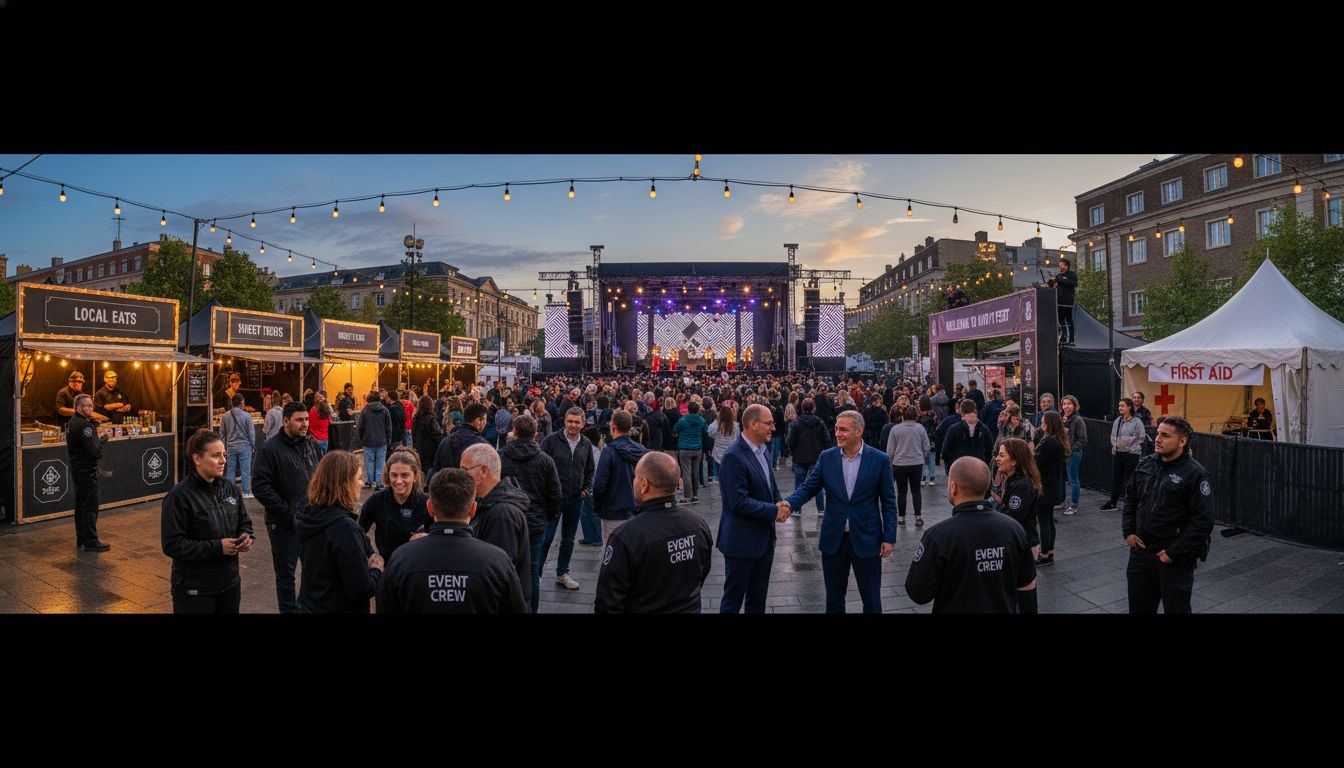
Did you know that some public events have drawn crowds of over a million people worldwide? Public events shape our communities in ways big and small, connecting strangers and fueling important conversations. Whether through a local street festival or a national rally, these gatherings influence culture, spark social change, and offer powerful moments of collective experience. Understanding what truly defines a public event helps reveal how these moments impact both neighborhoods and society at large.
Table of Contents
- What Are Public Events? Definition and Scope
- Common Types of Public Events Explained
- Organizing a Public Event: Key Steps
- Legal Requirements and Safety Considerations
- Roles, Responsibilities, and Community Impact
Key Takeaways
| Point | Details |
|---|---|
| Understanding Public Events | Public events are dynamic gatherings that foster social interaction and advance specific agendas. They play a crucial role in shaping cultural narratives and collective experiences. |
| Types of Public Events | Events range from political demonstrations and academic conferences to cultural celebrations and sports tournaments, each serving distinct social purposes. |
| Effective Event Organization | Successful public event planning requires clear objectives, audience engagement strategies, and meticulous execution, ensuring a meaningful experience for participants. |
| Safety and Legal Compliance | Prioritizing safety involves understanding legal requirements, conducting risk assessments, and implementing crowd management strategies to ensure a secure environment for attendees. |
What Are Public Events? Definition and Scope
Public events are organized gatherings designed to bring people together in shared spaces, creating opportunities for social interaction, information exchange, and collective experiences. According to research from Wikipedia, these events encompass a wide range of activities characterized by specific social structures and behavioral norms that guide participant engagement.
Public events can vary dramatically in scale, purpose, and format. Some common types include:
- Community festivals
- Professional conferences
- Cultural celebrations
- Political rallies
- Sports tournaments
- Academic symposiums
These events are strategically crafted to attract public attention and often serve broader objectives beyond mere social interaction. As noted by media studies research, public events are frequently orchestrated to promote specific messages, generate media coverage, or advance particular social, political, or cultural agendas. This intentional design transforms them from simple gatherings into powerful platforms for communication and collective experience.
Understanding public events requires recognizing their dynamic nature. They are not just passive occurrences but active environments where participants contribute to creating shared meaning. Whether it’s a local community fair in Waterlooville or a national conference, these events represent complex social ecosystems that reflect and shape our collective cultural narratives.

Common Types of Public Events Explained
Public events encompass a diverse range of gatherings that serve different social, cultural, and professional purposes. According to research from Wikipedia, these events can be categorized into several distinct types, each with unique characteristics and objectives.
Political Demonstrations represent a powerful form of public event focused on expressing collective views and advocating for social change. These events include:
- Marches
- Rallies
- Picketing
- Sit-ins
- Protests
- Solidarity gatherings
Academic Conferences provide another critical category of public events. As Wikipedia highlights, these formal gatherings are designed to facilitate professional knowledge exchange and scholarly development. Researchers and professionals converge to present cutting-edge work, discuss emerging trends, and network within their academic communities.
Beyond political and academic contexts, public events also include cultural celebrations, community festivals, and sporting events. These gatherings serve multiple functions – from preserving traditions and building community connections to providing entertainment and promoting social cohesion. Whether it’s a local music festival in Waterlooville or a national sporting championship, these events create shared experiences that bring people together and reflect the dynamic nature of human social interaction.
Here’s a comparison of common types of public events and their main objectives:
| Event Type | Main Purpose | Typical Activities |
|---|---|---|
| Community Festival | Social interaction | Fairs Parades Performances |
| Political Demonstration | Advocacy and change | Marches Protests Rallies |
| Academic Conference | Knowledge sharing | Presentations Panels Networking |
| Cultural Celebration | Tradition and heritage | Ceremonies Music Dancing |
| Sports Tournament | Competition and recreation | Matches Games Team events |
| Professional Conference | Industry networking | Seminars Workshops Exhibits |
Organizing a Public Event: Key Steps
Planning a successful public event requires meticulous preparation and strategic thinking. According to research from Springer, organizing a public event involves creating a controlled environment that effectively communicates key objectives and engages stakeholders with precision and purpose.
Event Planning typically involves a comprehensive approach with several critical stages:
- Define Clear Objectives
- Identify Target Audience
- Develop Detailed Budget
- Select Appropriate Venue
- Create Promotional Strategy
- Arrange Necessary Permits
According to academic research, effective event organization goes beyond logistical arrangements. As insights from LIS Academy suggest, the event must serve as a valuable platform for knowledge sharing and meaningful interaction. This means carefully considering every aspect of the event, from speaker selection to audience engagement strategies.
The final stages of event planning focus on execution and follow-up. This includes coordinating technical requirements, managing participant registration, preparing contingency plans, and establishing mechanisms for collecting feedback. Whether you’re organizing a small community gathering in Waterlooville or a larger regional conference, the key is to remain flexible, detail-oriented, and committed to creating a meaningful experience for all participants.
Legal Requirements and Safety Considerations
Ensuring the safety of public events requires a comprehensive understanding of legal frameworks and crowd management strategies. Research from ArXiv highlights the critical importance of understanding human mobility patterns and their impact on event safety, emphasizing that effective crowd management goes far beyond basic supervision.
Safety Considerations involve multiple critical elements:
- Obtaining necessary event permits
- Conducting thorough risk assessments
- Implementing crowd control measures
- Ensuring adequate medical and emergency support
- Designing safe venue layouts
- Establishing clear communication protocols
Advanced research suggests that predictive crowd behavior is fundamental to event safety. According to studies from ArXiv, accurate prediction of human mobility helps organizers anticipate potential challenges and allocate resources strategically. This means using data-driven approaches to understand how people move, congregate, and interact within event spaces.
Legal compliance is equally crucial. Event organizers must navigate complex regulations covering public safety, liability, accessibility, and potential environmental impact. This involves working closely with local authorities, securing appropriate insurance, meeting health and safety standards, and creating comprehensive emergency response plans. Whether hosting a small community gathering in Waterlooville or a large regional event, prioritizing legal requirements and safety considerations is not just a recommendation – it’s an absolute necessity.
Roles, Responsibilities, and Community Impact
Public events serve as powerful platforms for community engagement and collective action. According to research from Wikipedia, these gatherings play a crucial role in raising awareness and mobilizing support for various social causes, transforming individual perspectives into collective movements.
Key Participant Roles in public events typically include:
- Event Organizers
- Volunteers
- Community Leaders
- Speakers/Presenters
- Safety Coordinators
- Media Representatives
- Local Authorities
Research on the situational theory of publics from Wikipedia reveals how different groups perceive and respond to community issues, which significantly influences event participation and overall impact. This understanding helps organizers create more inclusive and effective public gatherings that truly represent community interests.
The broader community impact of public events extends far beyond the immediate gathering. These events create spaces for dialogue, foster social connections, amplify marginalized voices, and provide platforms for collaborative problem-solving. In Waterlooville, such events can bridge community gaps, encourage civic participation, and strengthen local social networks by bringing diverse groups together around shared goals and experiences. The collective energy generated through these interactions can spark meaningful social change and community development.
Make Your Next Public Event in Waterlooville Safe and Successful
Organizing or attending public events comes with its unique challenges from managing safety concerns to ensuring smooth community involvement. Whether you are planning a local festival or a community gathering, understanding roles, legal requirements, and effective communication is essential. Feeling overwhelmed by all these details is common but you do not have to do it alone.

Discover trusted local professionals and essential services in Waterlooville that can support every step of your event journey. From venue options to event safety experts and marketing support, our community guide offers real reviews and contact information for local businesses ready to help you succeed. Act now to create a well-organized event that brings your community together safely and meaningfully. Visit Waterlooville.co today and get the local support you need to make your public event a memorable success.
Frequently Asked Questions
What are public events?
Public events are organized gatherings that bring people together for social interaction, information exchange, and collective experiences. They can range from community festivals and political rallies to academic conferences and sports tournaments.
What safety considerations should be taken into account when organizing a public event?
When organizing a public event, it is essential to obtain necessary permits, conduct thorough risk assessments, implement crowd control measures, ensure adequate medical support, and establish clear communication protocols to ensure participant safety.
What roles are typically involved in a public event?
Key participant roles in public events include event organizers, volunteers, community leaders, speakers, safety coordinators, media representatives, and local authorities. Each plays a crucial part in the success and impact of the event.
How do public events impact the community?
Public events create spaces for dialogue, foster social connections, amplify marginalized voices, and promote collaborative problem-solving. They help bridge gaps within the community, encourage civic participation, and strengthen local social networks.