
Role of Community Centers – Impact on Local Life
Role of community centers in local life, their functions, activity types, inclusion efforts, and how they support social bonds in Waterlooville.
Role of Community Centers – Impact on Local Life
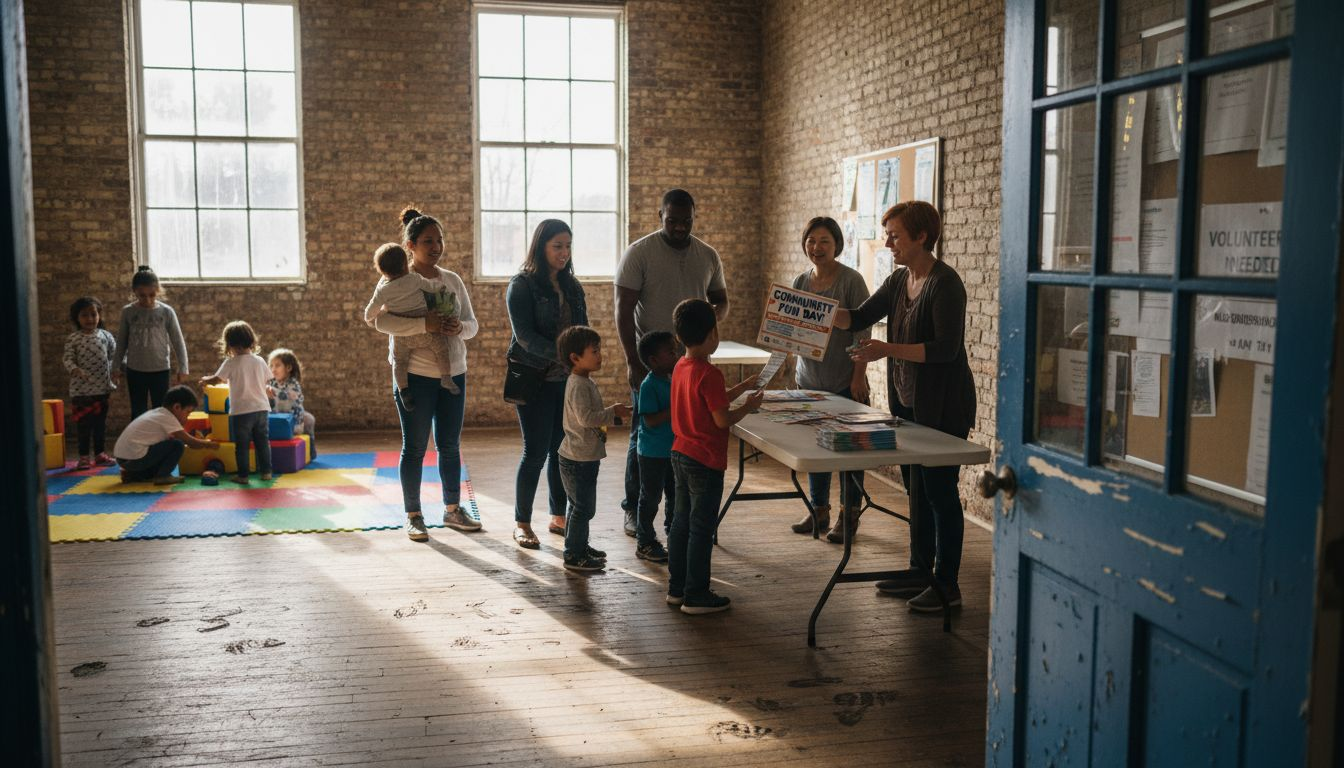
Over 90 percent of Americans live within a few miles of a community center, making these spaces central in shaping neighborhood life. Whether you are new in town or part of a long-established group, a welcoming community center often acts as an anchor where people of every background find support and opportunity. Discover what truly sets these American gathering places apart and learn how their programs and services build stronger, more connected neighborhoods.
Table of Contents
- What Are Community Centers And Their Purpose
- Different Types Of Community Centers Explained
- Key Programs And Services For Residents
- How Community Centers Promote Belonging
- Responsibility And Funding Of Community Centers
Key Takeaways
| Point | Details |
|---|---|
| Community Centers as Hubs | Community centers serve as multifaceted spaces connecting residents of all backgrounds, offering a variety of programs aimed at personal growth and community engagement. |
| Diverse Programs and Services | They provide essential services like educational programs, job training, and social activities that cater to different age groups and interests. |
| Promoting Belonging | By fostering inclusive environments, community centers cultivate social integration and civic pride, helping combat isolation and build connections. |
| Funding and Management | Community centers rely on diverse funding sources and collaborative governance to maintain operations and align services with community needs. |
What Are Community Centers and Their Purpose
Community centers are dynamic social hubs that serve as critical gathering spaces where residents can connect, learn, and grow together. Serving as the heart of neighborhoods, these multipurpose facilities provide essential services and opportunities for people of all ages and backgrounds.
At their core, community centers function as comprehensive social platforms designed to address multiple community needs. They offer diverse programs ranging from fitness classes and educational workshops to senior support services and youth recreational activities. By creating accessible spaces that welcome everyone, these centers break down social barriers and promote inclusive community engagement. Residents can participate in group exercise classes, attend skill-building seminars, join support groups, or simply enjoy social interactions with neighbors.
The primary purposes of community centers extend far beyond simple recreational spaces. They serve critical social functions by providing resources for personal development, mental health support, and skill acquisition. These centers often collaborate with local organizations to offer job training programs, language classes for immigrants, computer literacy workshops, and counseling services. By addressing multiple community needs simultaneously, they become vital infrastructure that supports individual growth and collective community strength.
Pro Tip: Community Engagement Strategy: Before visiting a community center, review their monthly program schedule online and identify 2-3 activities that align with your personal or professional development goals. This proactive approach helps you maximize the valuable resources these centers offer.
Different Types of Community Centers Explained
Community centers are not a one-size-fits-all concept, but rather a diverse landscape of specialized spaces designed to meet unique community needs. These facilities range from targeted youth support centers to broader social engagement platforms that serve multiple demographic groups and interests.
Teen centers represent a critical subcategory specifically designed for adolescent development. These specialized facilities provide dedicated spaces for young people to explore personal growth, social connections, and skill development. Typical services include employment guidance, health counseling, recreational activities, and safe social environments where teenagers can interact and learn outside traditional school settings. By offering structured yet supportive programs, teen centers help bridge critical developmental gaps and provide resources for young individuals navigating complex personal transitions.
Another fascinating type of community center is the self-managed social center, which represents a more grassroots approach to community organization. These autonomous spaces are often organized by community activists and offer unique activities like bicycle workshops, independent libraries, and free educational programs. Unlike traditional government-run facilities, these centers emphasize direct community participation, political engagement, and alternative social models. They serve as experimental platforms for collective learning, skill sharing, and bottom-up social innovation.
Pro Tip: Community Center Selection Strategy: Before committing to a community center, attend 2-3 open events or trial sessions to assess the facility’s atmosphere, program quality, and alignment with your personal interests and development goals.
Here is a comparative overview of different types of community centers and their core characteristics:
| Center Type | Main Audience | Unique Features | Typical Activities |
|---|---|---|---|
| General Community | All residents | Broad, multipurpose programs | Fitness, education, socializing |
| Teen Center | Adolescents (13–19) | Safe, youth-focused environment | Job guidance, recreation |
| Self-Managed Social | Community activists | Grassroots, autonomous structure | Workshops, free education |
| Senior Center | Older adults | Age-friendly, support-oriented | Social events, health programs |
Key Programs and Services for Residents
Community centers are comprehensive resource hubs offering an impressive array of programs designed to address diverse resident needs across different life stages and interests. These facilities provide a strategic platform for delivering essential services that support personal and professional development, creating meaningful opportunities for community growth and individual empowerment.
Educational Programs form a cornerstone of community center services, encompassing a wide range of learning opportunities. These typically include computer literacy courses, language classes for immigrants, skill-building workshops, and continuing education programs. By offering accessible and affordable learning resources, community centers help residents enhance their professional qualifications, bridge knowledge gaps, and increase their employability in an ever-changing job market.
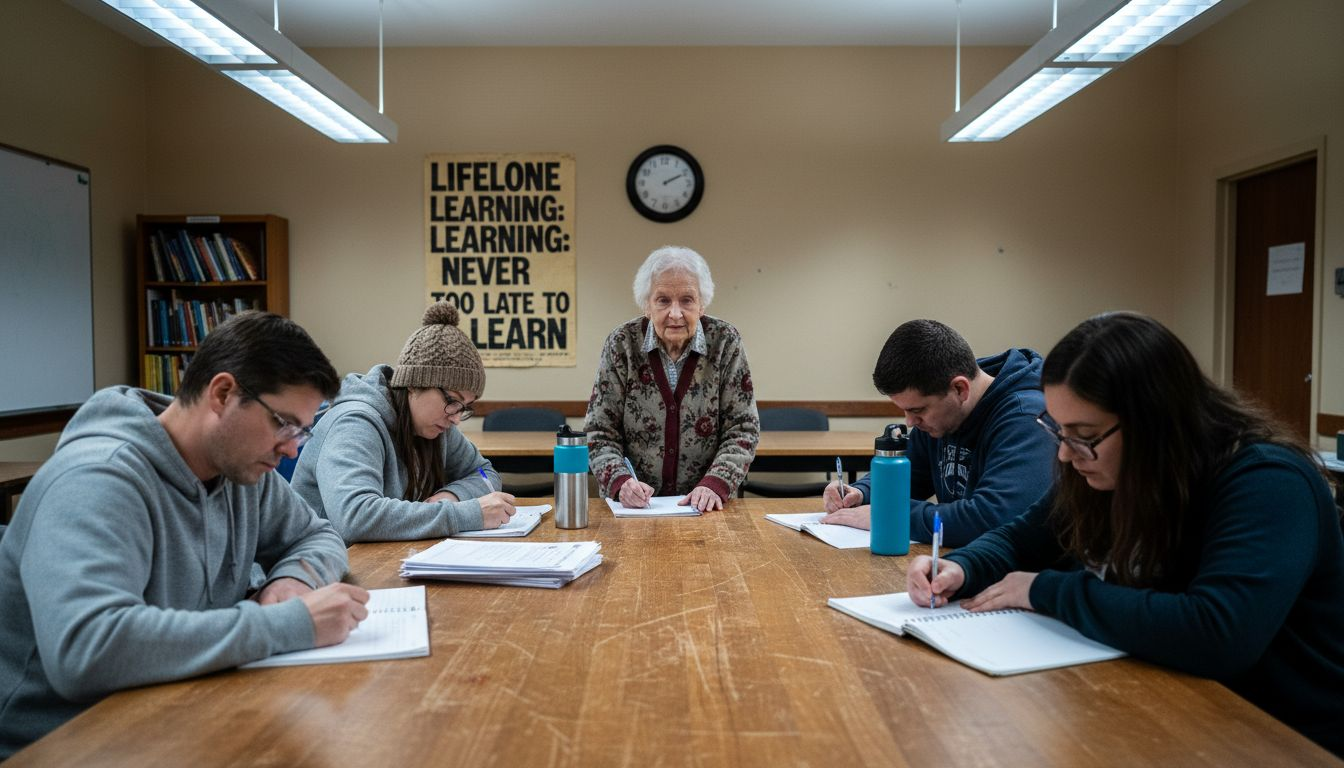
Local economic development initiatives represent another critical service offered by community centers. These programs often involve collaborating with local businesses to host job fairs, vocational training sessions, and entrepreneurship workshops. Small business owners and aspiring entrepreneurs can benefit from networking events, market opportunities, and practical guidance that helps stimulate local economic activity. Additionally, many centers provide support for local artisans by organizing community markets and craft fairs, creating platforms for showcasing and selling handmade products.
Pro Tip: Service Discovery Strategy: Before attending a community center program, call ahead or check their website to confirm current offerings, registration requirements, and any associated costs to maximize your engagement and minimize potential surprises.
How Community Centers Promote Belonging
At the heart of community resilience lies the fundamental human need for connection, and community centers serve as powerful catalysts for building meaningful social bonds. These spaces combat isolation by creating intentional opportunities for shared experiences and meaningful interactions, transforming abstract concepts of community into tangible, lived experiences.
Social integration represents a critical function of community centers, particularly for individuals who might otherwise feel marginalized or disconnected. By designing inclusive environments that welcome diverse populations, these centers break down social barriers and create platforms for cross-generational and multicultural understanding. Residents from different backgrounds can participate in group activities, workshops, and events that encourage mutual respect, empathy, and collaborative learning. Through structured and spontaneous interactions, individuals discover common ground and develop a sense of collective identity that transcends individual differences.
Community centers actively foster civic pride and social cohesion by promoting volunteerism and collaborative community engagement. These spaces provide structured opportunities for residents to contribute meaningfully to their local environment, whether through organized volunteer programs, community improvement projects, or skill-sharing initiatives. By empowering individuals to take an active role in community development, these centers transform passive residents into engaged citizens who feel a genuine sense of ownership and belonging.
Pro Tip: Connection Building Strategy: Attend at least one community center event per month outside your comfort zone, selecting activities that introduce you to different age groups or cultural backgrounds to expand your social network and understanding.
Responsibility and Funding of Community Centers
The operational framework of community centers involves complex interactions between government entities, local organizations, and community stakeholders, creating a multifaceted approach to funding and management. These centers are often established by government agencies with the primary goal of promoting social cohesion, national identity, and community communication, representing a strategic investment in local social infrastructure.
Funding mechanisms for community centers typically involve a diverse mix of financial sources. Local government budgets frequently provide the primary financial foundation, supplemented by grants from state and federal programs, private philanthropic donations, and occasional corporate sponsorships. Some centers also generate revenue through program fees, membership contributions, and rental of facility spaces for events, creating a sustainable financial model that reduces dependence on single funding streams. This diversified approach ensures greater financial stability and resilience against potential budget fluctuations.
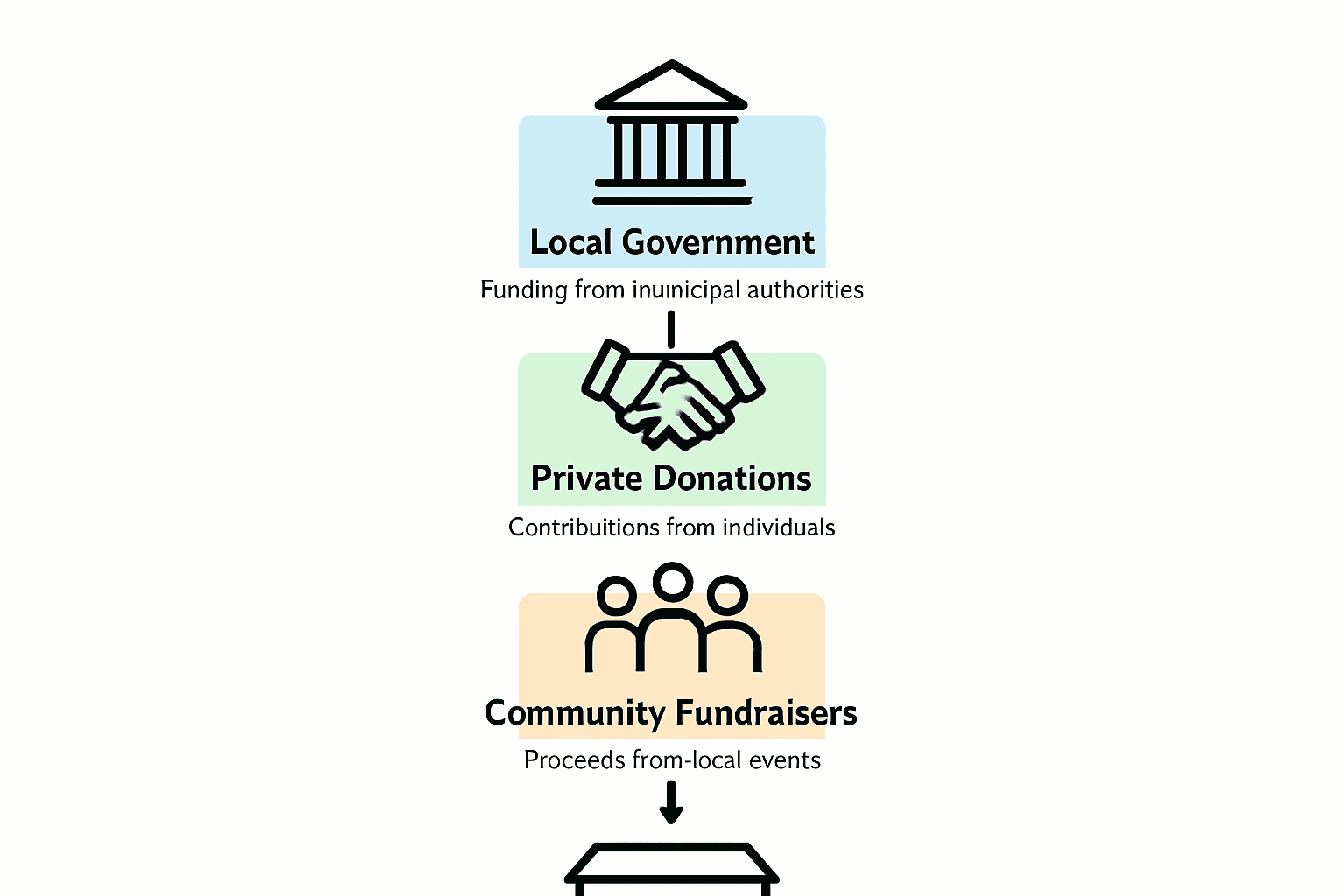
The responsibilities of managing community centers extend far beyond financial considerations. Governance typically involves a collaborative model with oversight from municipal authorities, community advisory boards, and local stakeholder representatives. These management structures ensure that center operations remain aligned with community needs, maintain transparency, and provide mechanisms for ongoing community input. Responsibilities include program development, facility maintenance, budget management, staff recruitment, and ensuring inclusive and accessible services that cater to diverse community demographics.
The table below summarizes the key funding sources and management responsibilities found in community centers:
| Funding Source | Example Contribution | Management Role |
|---|---|---|
| Local Government | Budget allocations, grants | Oversight, policy setting |
| Philanthropy | Private and foundation gifts | Advisory involvement |
| Program Revenues | Fees, event rentals | Operational budgeting |
| Community Stakeholders | Fundraising, feedback | Advisory, program direction |
Pro Tip: Funding Insight Strategy: Attend local government budget meetings or community center board sessions to understand funding processes and potentially identify opportunities for community involvement or supporting alternative funding initiatives.
Unlock the True Potential of Waterlooville’s Community Spirit
Community centers are vital for bringing people together, fostering connection, and building a strong sense of belonging within neighborhoods. If you are looking to get more involved in Waterlooville’s vibrant community or want to discover local opportunities that support your personal growth and social engagement this is the right place to start. The article highlights how these centers serve diverse needs from youth development to social integration and economic empowerment

Explore the full range of services, events, and local businesses that help strengthen community ties by visiting Waterlooville.co today. Find trusted local hair salons, heating engineers, restaurants, and healthcare providers all in one place. Don’t miss out on upcoming community gatherings or helpful resources to make the most of what Waterlooville and surrounding areas like Cowplain and Denmead offer. Step into a more connected life now by discovering what your local community center and neighborhood have waiting for you at Waterlooville.co. Your next meaningful connection or essential local service is just a click away.
Frequently Asked Questions
What is the purpose of community centers?
Community centers serve as social hubs that facilitate gathering, connection, and learning among local residents, addressing multiple community needs through various programs and services.
What types of programs do community centers typically offer?
Community centers offer a range of programs, including fitness classes, educational workshops, support services for seniors, language classes, job training, and recreational activities for youth.
How do community centers promote social integration?
Community centers create inclusive environments that welcome diverse populations, encouraging participation in group activities that foster cross-generational and multicultural understanding, ultimately helping to build a sense of belonging.
How are community centers funded and managed?
Community centers are generally funded through local government budgets, grants, private donations, and program fees. Management often involves collaborative oversight from government agencies, community boards, and stakeholders to ensure alignment with local needs.
Recommended
- Blog - Waterlooville News, Tips & Community Stories | Waterlooville.co
- Waterlooville Town Centre - Waterlooville Directory | Waterlooville.co
- Areas We Cover | Waterlooville Directory | Waterlooville.co
- Waterlooville High Street - Waterlooville Directory | Waterlooville.co
- Understanding Community Gardening Benefits for All - Lushy Gardens
- How Food Deserts Impact Obesity Rates? - LeanAndFit
- The Power of Friendship During Alcohol Recovery