
Role of Local Police – Impact on Waterlooville Life
Explore the role of local police in Waterlooville, including community safety efforts, legal responsibilities, neighborhood initiatives, and how residents can engage.
Role of Local Police – Impact on Waterlooville Life
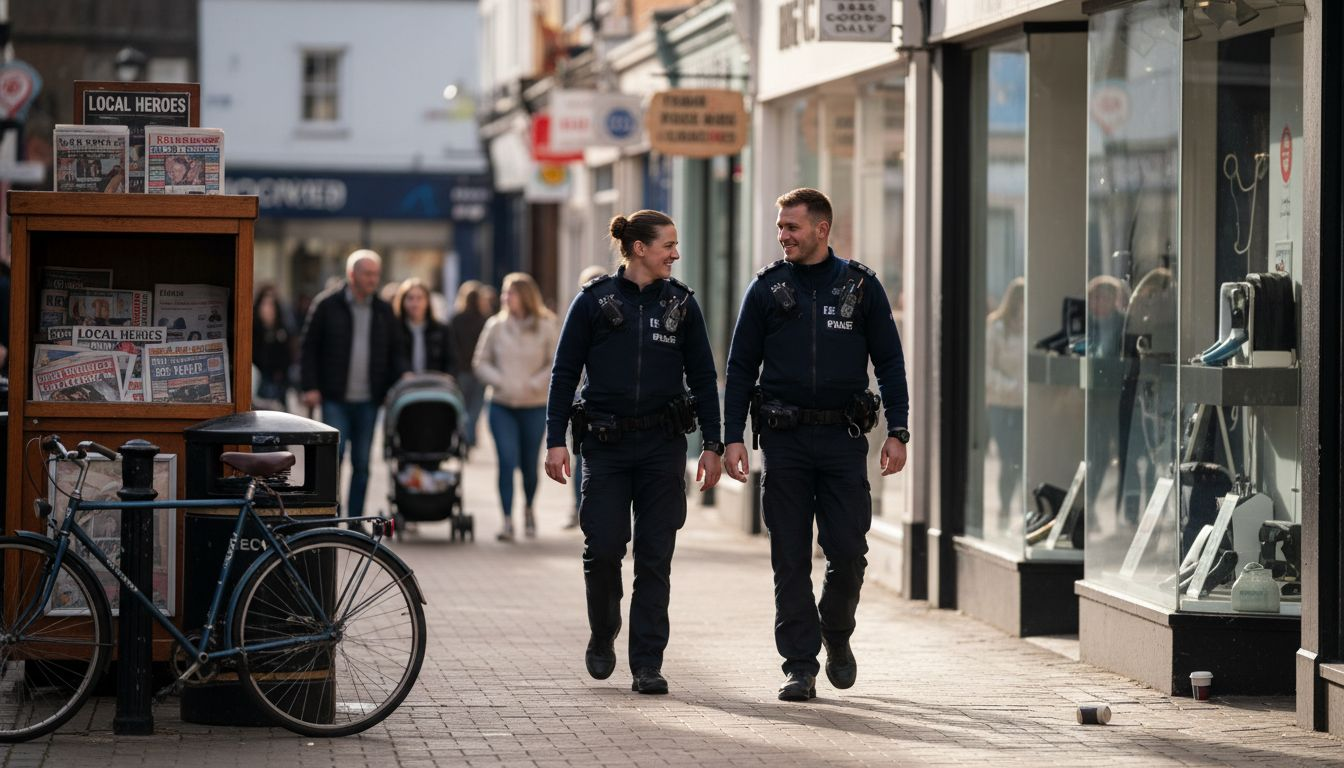
Most people are surprised to learn that over half of residents in towns similar to Waterlooville have never met their local police officer in person. This matters because personal connections with law enforcement often lead to safer, more trusting communities—something both British and American neighborhoods strive for. Here, understanding exactly what local police do and how you can actively connect with officers makes a real difference to everyday safety and quality of life.
Table of Contents
- What Local Police Do in Communities
- Key Police Responsibilities and Services
- Community Policing and Neighborhood Safety
- Legal Frameworks and Residents’ Rights
- How Residents Can Engage with Police
Key Takeaways
| Point | Details |
|---|---|
| Community Policing Enhancements | Modern policing emphasizes collaboration, trust, and proactive engagement between police and residents for improved neighborhood safety. |
| Legal Protections for Residents | Residents have essential rights during police interactions, including the right to remain silent and the right to legal representation, ensuring accountability and protection from abuses. |
| Proactive Community Engagement | Residents are encouraged to engage with local police through meetings, feedback channels, and safety initiatives, fostering a collaborative environment for neighborhood safety. |
| Comprehensive Responsibilities | Local police departments perform various roles beyond law enforcement, including community support, crime prevention, and addressing social issues affecting safety. |
What Local Police Do in Communities
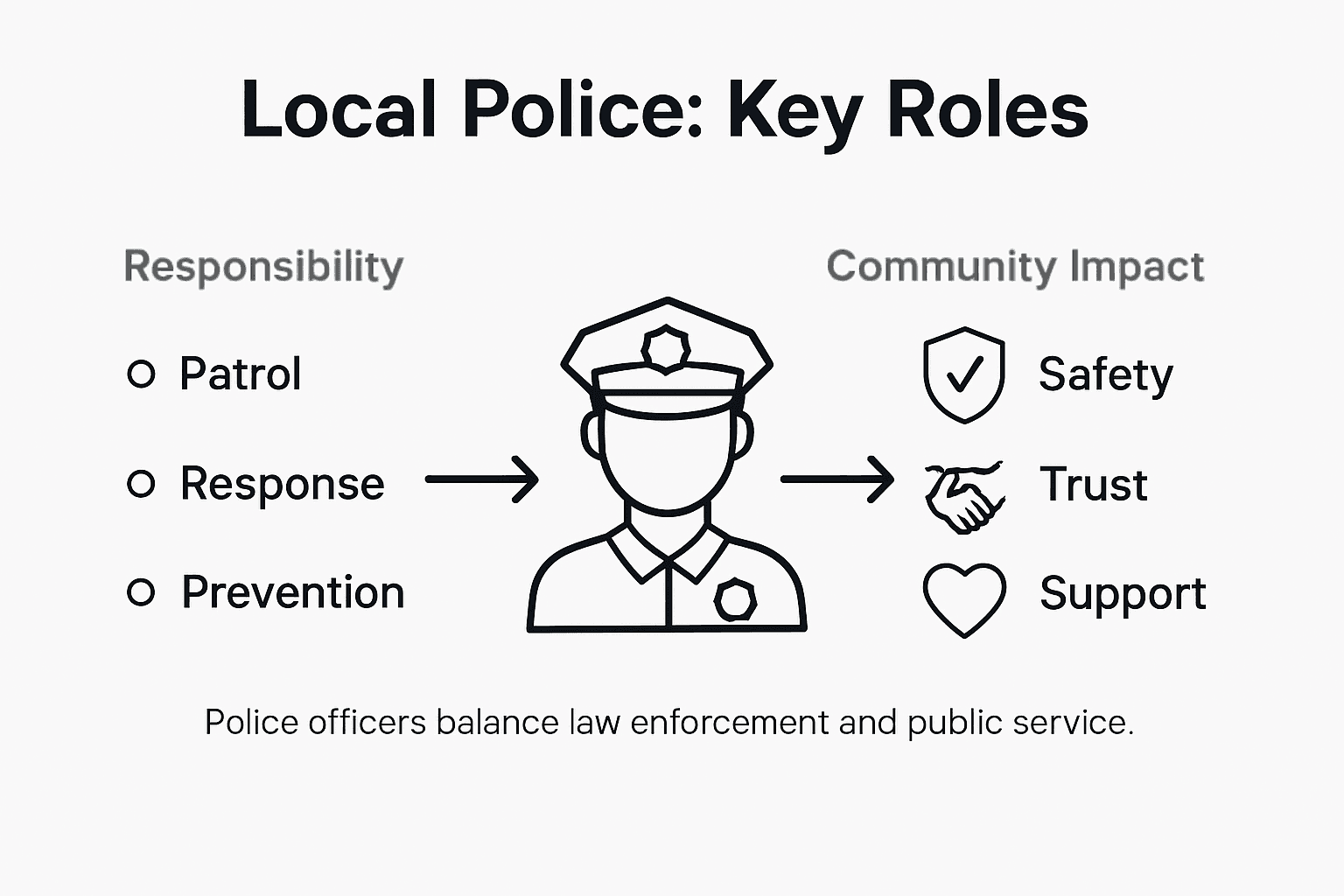
Local police departments serve as the primary guardians of community safety, performing far more complex roles than most residents realize. Beyond traditional law enforcement, police officers act as multifaceted community support professionals who maintain public order, prevent crime, and provide critical emergency services.
Their daily responsibilities encompass several key areas of community protection and support:
- Responding to emergency calls
- Investigating criminal activities
- Conducting neighborhood patrols
- Providing traffic control and accident response
- Supporting community crime prevention programs
- Mediating disputes between residents
- Offering public safety education
In Waterlooville, local police work closely with residents to create a safer environment through proactive engagement. They regularly conduct community outreach initiatives, participate in local events, and develop relationships that help them understand neighborhood dynamics. These interactions allow officers to build trust and gather valuable intelligence about potential safety concerns before they escalate.
Modern policing goes well beyond reactive law enforcement. Officers now serve as community problem solvers, working to address underlying social issues that might contribute to criminal behavior. This approach involves collaborating with social services, mental health professionals, and community organizations to develop comprehensive strategies for preventing crime and supporting vulnerable populations.
Pro tip: Build a positive relationship with your local police department by attending community meetings and participating in neighborhood watch programs.
Key Police Responsibilities and Services
In democratic societies, police departments have comprehensive responsibilities that extend far beyond traditional law enforcement. Police roles worldwide encompass maintaining public safety, protecting individual rights, and serving community needs, creating a nuanced approach to community security that balances protection with respect for individual freedoms.
The core responsibilities of local police departments include several critical functions:
- Emergency response and crisis management
- Crime prevention and investigation
- Traffic regulation and accident management
- Community engagement and public safety education
- Protecting vulnerable populations
- Maintaining public order
- Supporting social welfare initiatives
Modern policing requires officers to be versatile professionals who understand complex social dynamics. They must navigate challenging situations with empathy, cultural sensitivity, and professional judgment. This means not just responding to incidents, but proactively working to understand and address the root causes of community challenges such as poverty, mental health issues, and social tension.
In Waterlooville, local police departments focus on building strong community relationships through transparent communication and collaborative problem solving. Officers are trained to be approachable resources who can de-escalate conflicts, provide guidance, and connect residents with appropriate social services when needed. Their work involves constant adaptation to changing community needs and emerging social challenges.
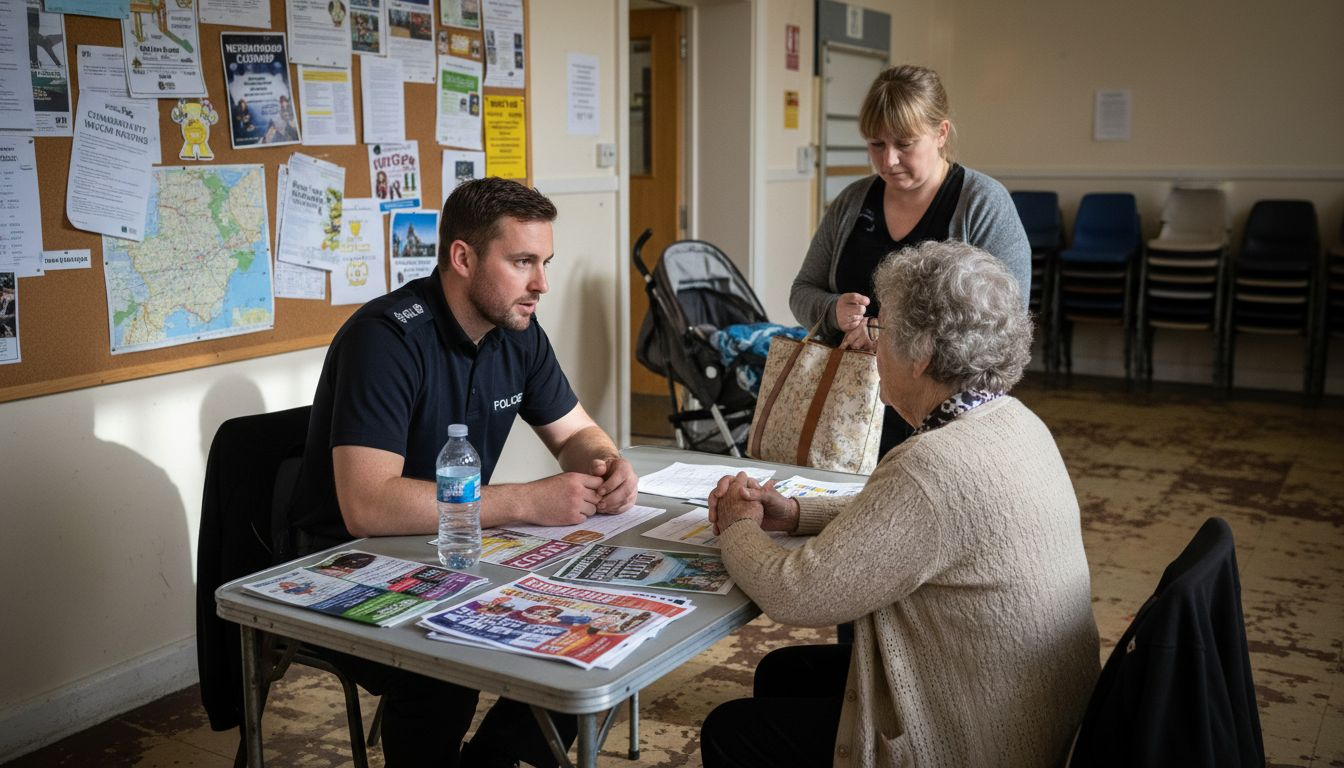
Pro tip: Familiarize yourself with your local police department’s community outreach programs and consider participating in neighborhood safety initiatives to build stronger community connections.
Community Policing and Neighborhood Safety
Community policing represents a transformative approach to local law enforcement that goes far beyond traditional crime prevention. This innovative model redefines security by establishing powerful partnerships between law enforcement and residents, promoting trust, collaborative problem-solving, and proactive community engagement.
The key characteristics of effective community policing include:
- Regular neighborhood interactions
- Transparent communication channels
- Collaborative problem-solving strategies
- Proactive crime prevention efforts
- Building strong interpersonal relationships
- Addressing root causes of community challenges
- Developing local safety initiatives
International research reveals that community policing’s greatest strength lies in its localized, adaptable approach, which allows officers to understand and respond to unique neighborhood dynamics. By becoming familiar faces in the community, police officers can develop deeper insights into local challenges, build mutual trust, and create more effective, context-specific safety strategies.
In Waterlooville, this approach means police officers are not just law enforcement professionals, but active community members who engage with residents, participate in local events, and work collaboratively to develop comprehensive safety solutions. They focus on understanding neighborhood patterns, supporting vulnerable populations, and creating environments where prevention is prioritized over punishment.
Here’s a summary of how community policing differs from traditional policing models:
| Approach Type | Focus Area | Community Role | Outcome Priorities |
|---|---|---|---|
| Traditional Policing | Law enforcement | Reactive crime response | Arrests and deterrence |
| Community Policing | Problem-solving | Resident collaboration | Prevention and trust-building |
Pro tip: Attend local community policing meetings and get to know your neighborhood officers to help build a stronger, more connected local safety network.
Legal Frameworks and Residents’ Rights
Legal protections form the cornerstone of responsible policing, establishing clear boundaries between law enforcement authority and individual civil liberties. International legal standards mandate that police actions must consistently respect fundamental human rights, ensuring lawful, necessary, and proportionate responses, with a primary focus on protecting individual freedoms and preventing arbitrary enforcement.
Residents have several critical rights during interactions with law enforcement:
Use this table to quickly reference legal protections residents are entitled to during police interactions:
| Right | What It Means | Why It Matters |
|---|---|---|
| Right to remain silent | Decline answering questions | Prevents self-incrimination |
| Right to legal representation | Access to an attorney | Ensures fair treatment |
| Protection from unreasonable search | Police need valid cause to search | Safeguards personal privacy |
| Right to dignity and respect | Expect professional, humane treatment | Maintains civil liberties |
- Right to remain silent
- Right to legal representation
- Protection against unreasonable searches
- Right to be treated with dignity and respect
- Protection from discrimination
- Right to file formal complaints about misconduct
- Right to understand reasons for detention or questioning
These legal frameworks are designed to create accountability and prevent potential abuses of power. Police officers are required to operate within strict guidelines that prioritize individual rights while maintaining public safety. This means every interaction must be conducted professionally, with clear documentation and transparent procedures that protect both community members and law enforcement professionals.
In Waterlooville, local law enforcement agencies actively work to educate residents about their legal rights and promote transparent communication. They conduct regular community workshops, provide accessible information about legal protections, and maintain open channels for addressing concerns about potential rights violations. This proactive approach helps build trust and ensures that police-community interactions remain respectful, fair, and legally compliant.
Pro tip: Familiarize yourself with your local police department’s complaint procedures and know your basic legal rights during any law enforcement interaction.
How Residents Can Engage with Police
Community engagement with local law enforcement is a powerful way to enhance neighborhood safety and build mutual understanding. Effective interaction requires residents to approach police relationships proactively, thoughtfully, and with clear communication strategies that promote collaboration and trust.
Residents can engage with police through multiple constructive channels:
- Attend local community policing meetings
- Participate in neighborhood watch programs
- Provide constructive feedback through official channels
- Attend public safety workshops
- Join community advisory boards
- Report suspicious activities responsibly
- Support local crime prevention initiatives
Successful engagement involves understanding both the potential and limitations of police interaction. Residents should approach interactions professionally, remaining calm and respectful while clearly articulating their concerns or observations. This means documenting interactions, knowing your rights, and communicating information precisely and objectively.
In Waterlooville, local police departments actively encourage community participation through various outreach programs. They host regular town hall meetings, create online feedback platforms, and develop specialized communication channels that allow residents to share insights, report concerns, and collaborate on local safety strategies. These initiatives are designed to break down barriers, create transparent communication, and develop a shared responsibility for community well-being.
Pro tip: Save your local police department’s non-emergency contact number in your phone and familiarize yourself with their preferred communication methods for reporting non-urgent community concerns.
Strengthen Your Connection with Waterlooville’s Community and Safety Network
Feeling the need for stronger community ties and more transparent communication with your local police department in Waterlooville? The article highlights how building trust and engaging proactively with law enforcement can lead to safer neighborhoods and better support for residents. If you want to stay informed about local safety initiatives and find trusted services that support your daily life, Waterlooville.co offers everything you need in one convenient place.

Explore our comprehensive community information and local services to discover how you can be part of neighborhood watch programs, attend public safety workshops, or simply connect with your local officers. Don’t wait to get involved in fostering a safer Waterlooville. Visit Waterlooville.co now to find trusted local businesses, community resources, and the latest news designed to support your well-being and strengthen your local connections.
Frequently Asked Questions
What are the primary responsibilities of local police in communities?
Local police are responsible for maintaining public order, preventing crime, responding to emergency calls, investigating criminal activities, conducting neighborhood patrols, and providing public safety education.
How can residents engage with their local police department?
Residents can engage with local police by attending community policing meetings, participating in neighborhood watch programs, providing feedback through official channels, and joining community advisory boards.
What is community policing and how does it differ from traditional policing?
Community policing is a collaborative approach that emphasizes building partnerships between law enforcement and residents, focusing on proactive problem-solving and prevention rather than just reactive law enforcement techniques.
What are residents’ rights during interactions with police?
Residents have rights such as the right to remain silent, the right to legal representation, protection from unreasonable searches, and the right to be treated with dignity and respect during police interactions.