
Community Groups: Building Connections in Waterlooville
Community groups foster local connections in Waterlooville. Explore types, roles, joining tips, responsibilities, and common challenges.
Community Groups: Building Connections in Waterlooville
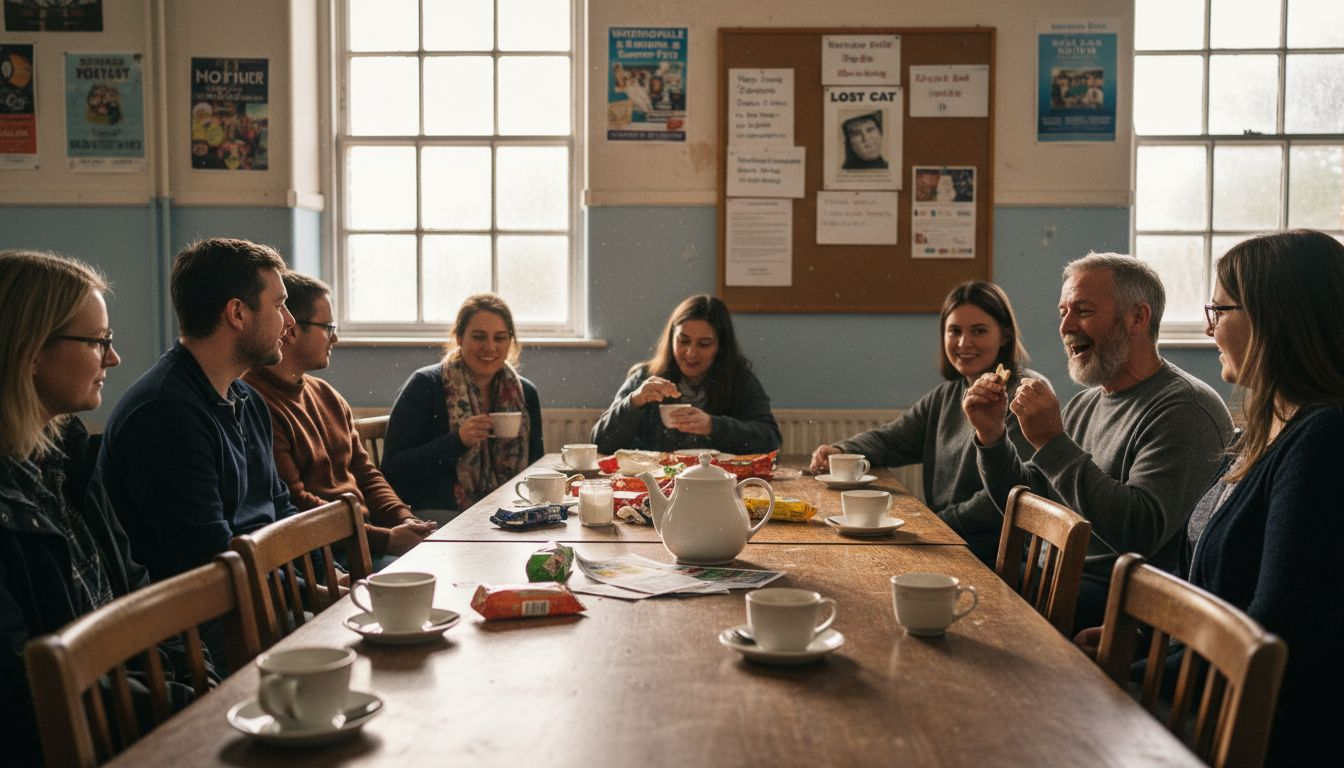
Every American community thrives on connection, yet almost half of adults in the United States say they feel lonely or isolated. Community groups step in to bridge these gaps, offering real opportunities for support and belonging. Whether you are seeking friendship, purpose, or a stronger local network, discovering how community groups function can open the door to new connections and unexpected resources.
Table of Contents
- What Community Groups Really Are
- Different Types of Community Groups
- Key Activities And How Groups Operate
- Joining And Participating In Local Groups
- Roles, Responsibilities, And Common Challenges
Key Takeaways
| Point | Details |
|---|---|
| Community groups foster connection | These groups bring individuals together through shared goals, creating a sense of belonging and mutual support. |
| Diverse group types serve specific needs | Community groups range from neighborhood associations to professional networks, each tailored to unique social contexts and objectives. |
| Active participation is crucial | Genuine engagement in community groups enhances personal connections and maximizes the impact of collective efforts. |
| Clear roles promote effective organization | Defined responsibilities within community groups help manage expectations and improve collaboration, preventing burnout among members. |
What Community Groups Really Are
Community groups represent more than simple gatherings. They are dynamic social networks powered by shared purpose and collective vision. A community is fundamentally a group of people with a common purpose, shared values, and agreement on goals, creating powerful connections that transcend individual limitations.
At their core, community groups serve specific local interests. These organizations aim to support neighborhoods by fostering a sense of belonging and mutual support, bringing people together through common objectives. Unlike casual social circles, these groups have structured missions that address community needs, whether through social support, skill sharing, advocacy, or collaborative problem solving.
The structure of community groups varies widely. Some focus on neighborhood improvements, while others center on shared interests like gardening, local history, cultural preservation, or professional networking. What unites them is a commitment to collective action and creating meaningful connections. Members typically share geographic proximity, professional backgrounds, or passionate interests that drive their collaborative efforts.
Pro Community Insight: Start by identifying local groups that align with your personal interests or professional goals - attending one meeting can open doors to unexpected opportunities and meaningful connections.
Different Types of Community Groups
Community groups manifest in diverse forms, each serving unique social and collaborative purposes. Intentional communities represent one fascinating category, designed as voluntary residential groups that foster high degrees of social cohesion and shared values. These purposeful collectives go beyond traditional neighborhood associations by deliberately creating environments where members actively choose to live and work together.
Another significant type of community group is the professional network. Discourse communities exemplify this model, where participants share specific communication styles, basic values, and collaborative goals. These groups might include professional associations, industry networking organizations, academic research teams, or specialized interest collectives that unite individuals through common intellectual or career objectives.
Beyond professional and intentional living groups, community organizations span numerous categories. These include neighborhood associations, cultural heritage groups, hobby clubs, volunteer organizations, support networks, educational collectives, and social advocacy groups. Each type brings together individuals through shared geographic, personal, or philosophical connections, creating platforms for mutual support, knowledge exchange, and collective action.
Here is a summary of major types of community groups and what sets them apart:
| Group Type | Main Purpose | Common Activities | Typical Members |
|---|---|---|---|
| Neighborhood Association | Improve local living conditions | Beautification, safety efforts | Local residents |
| Intentional Community | Shared living and values | Cohousing, joint projects | Voluntary residents |
| Professional Network | Career growth, knowledge sharing | Networking, workshops, panels | Professionals, experts |
| Hobby/Interest Club | Shared leisure interests | Events, discussions, learning | Enthusiasts, hobbyists |
| Cultural/Heritage Group | Preserve culture and traditions | Festivals, language classes | Cultural community members |
Pro Community Tip: Research local community groups by checking community centers, online directories, and social media platforms to find organizations that match your interests and professional development goals.
Key Activities and How Groups Operate
Community organizations aim to make desired improvements to a community’s social health, well-being, and overall functioning through strategic planning and collaborative action. These groups develop comprehensive approaches that address local challenges, create opportunities, and foster meaningful social connections. Their activities are intentionally designed to engage members and create tangible positive impacts.
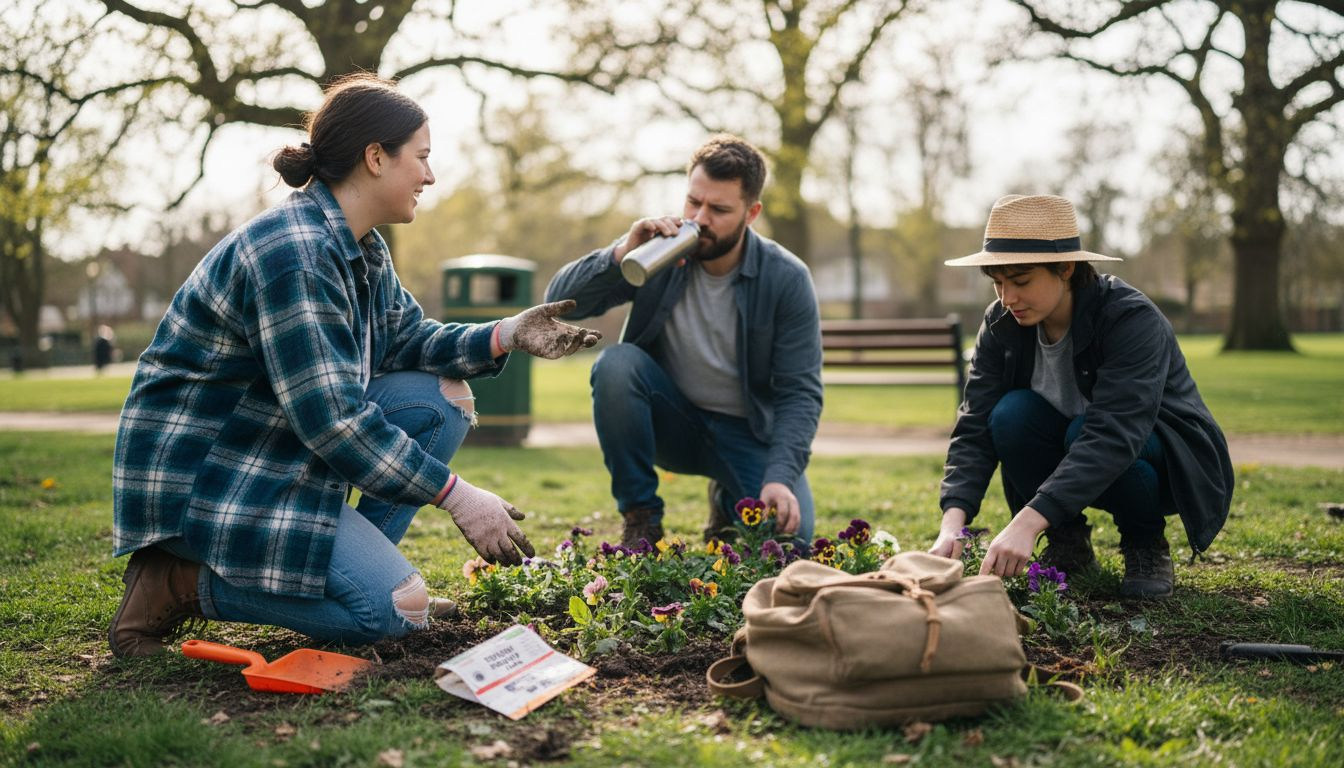
The operational structure of community groups typically involves several key components. Organizational frameworks often include regular meetings, clear leadership roles, defined objectives, and transparent decision-making processes. Some groups use democratic voting mechanisms, while others rely on consensus building or designated leadership teams. Communication channels might include in-person gatherings, digital platforms, email lists, and social media groups that enable consistent interaction and information sharing.
Activities within community groups can range from practical problem solving to social support and skill development. These might include community improvement projects, fundraising events, educational workshops, networking sessions, volunteer initiatives, and advocacy campaigns. Each activity serves multiple purposes: addressing specific community needs, building social connections, empowering members, and creating platforms for collective action and mutual support.
Pro Community Insight: Always attend your first community group meeting with an open mind and willingness to contribute - active participation is the fastest way to build meaningful connections and understand the group’s dynamics.
Joining and Participating in Local Groups
Community engagement requires understanding how individuals perceive their identity and their role within the community, transforming passive membership into active participation. Successful involvement goes beyond simply attending meetings, demanding genuine commitment and a willingness to contribute meaningfully to collective goals. Potential members should approach community groups with curiosity, openness, and a desire to both learn and add value.
Specialized communities, such as professional associations and religious congregations, bring together individuals with shared expertise or values, creating unique opportunities for meaningful interaction. When considering joining a group, potential members should research the organization’s mission, core values, and specific activities. This preliminary investigation helps ensure alignment with personal interests, professional objectives, or social goals, increasing the likelihood of a rewarding and sustainable engagement.
The process of joining local groups typically involves several strategic steps. These include researching available groups, attending initial meetings or events, understanding membership requirements, and gradually increasing involvement. Networking strategies play a crucial role in this process, with many groups welcoming new members through introductory sessions, online platforms, community bulletin boards, and social media channels. Potential members should prepare to demonstrate genuine interest, ask thoughtful questions, and show willingness to contribute.
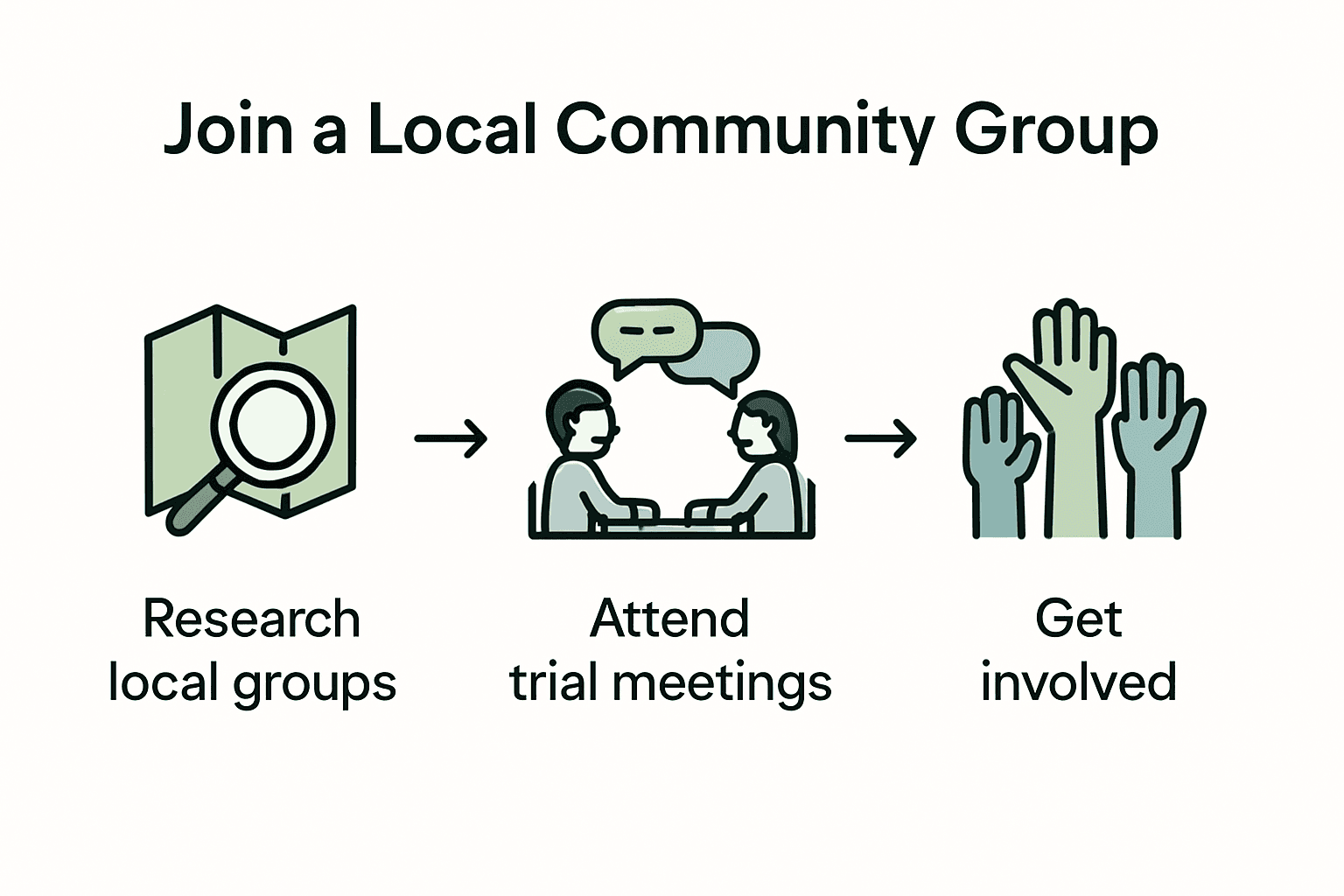
Pro Community Connection: Start by attending three different group meetings before committing, allowing yourself time to assess the group’s dynamics, culture, and potential for personal or professional growth.
Roles, Responsibilities, and Common Challenges
Social groups arise out of mutual interpersonal attraction and shared characteristics, but maintaining these connections requires strategic management of roles and expectations. Effective community groups establish clear organizational structures that define member responsibilities, leadership hierarchies, and collaborative processes. These frameworks help distribute work equitably, prevent burnout, and ensure that group objectives remain achievable and aligned with collective goals.
Typical roles within community groups include leadership positions such as coordinators, committee chairs, communication managers, and event planners. Each role carries specific responsibilities: leaders guide strategic direction, coordinators manage operational details, communication managers handle information sharing, and event planners organize group activities. Successful groups create transparent mechanisms for role assignment, rotation, and skill development, allowing members to contribute meaningfully while developing personal and professional capabilities.
Below is a comparison of key leadership roles and their main responsibilities in successful community groups:
| Role | Main Responsibility | Impact on Group Function |
|---|---|---|
| Coordinator | Organize meetings, manage logistics | Maintains group operations |
| Chair/Leader | Set direction, facilitate decisions | Ensures strategic alignment |
| Event Planner | Develops and runs group activities | Drives member engagement |
| Communication Manager | Shares updates, manages outreach | Builds transparency and cohesion |
Community groups frequently encounter challenges related to member engagement, communication, and conflict resolution. Potential obstacles include varying member commitment levels, divergent personal agendas, communication breakdowns, and resource limitations. Effective groups develop proactive strategies to address these challenges, such as establishing clear communication protocols, creating inclusive decision-making processes, implementing conflict mediation techniques, and maintaining flexibility in group expectations and structures.
Pro Leadership Insight: Develop a rotating leadership model that empowers different members to lead initiatives, preventing burnout and creating opportunities for collective skill development and engagement.
Connect Deeper with Waterlooville Community Groups and Resources
Building strong community groups requires more than just shared interests. The article highlights common challenges like maintaining active member engagement and clear communication within groups. It also emphasizes the importance of finding local organizations that align with your personal or professional goals. If you are looking to overcome these hurdles and truly join a community that supports your growth and connection, Waterlooville.co offers a trusted platform to discover and engage with local groups, services, and events.

Explore Waterlooville.co to find detailed community information and local business listings that can help you get involved. Whether you want to support neighborhood initiatives or expand your professional network, start by browsing relevant community-focused services and events. Don’t wait to tap into the vibrant network of Waterlooville residents, businesses, and cultural groups ready to welcome you. Take the first step now by visiting Waterlooville Community Guide and unlock the full potential of your local connections.
Frequently Asked Questions
What are community groups?
Community groups are dynamic social networks created by individuals with shared purposes, values, and goals that focus on improving local interests and fostering connections among members.
What types of activities do community groups typically engage in?
Community groups often organize activities such as community improvement projects, educational workshops, networking events, and social support initiatives to address local needs and build connections among members.
How can I find and join a community group?
To find a community group, you can research local organizations, attend initial meetings or events, and explore online platforms or community bulletin boards. Engaging with your interests and professional goals can help you choose the right group.
What roles are common in community groups, and what do they involve?
Common roles include coordinators, who manage logistics; chairs or leaders, who set direction; event planners, who organize activities; and communication managers, who handle outreach. Each role is vital for effective group function and ensuring member engagement.
Recommended
- Waterlooville News - Waterlooville Directory | Waterlooville.co
- Blog - Waterlooville News, Tips & Community Stories | Waterlooville.co
- Waterlooville Town Centre - Waterlooville Directory | Waterlooville.co
- Areas We Cover | Waterlooville Directory | Waterlooville.co
- The Importance of Community for Your Mental Health - Dr. Stephen Oreski & Associates