
What Is a Community Center and Why It Matters
What is a community center? Discover core functions, types, local benefits, real-world examples, services offered, and how to get involved.
What Is a Community Center and Why It Matters
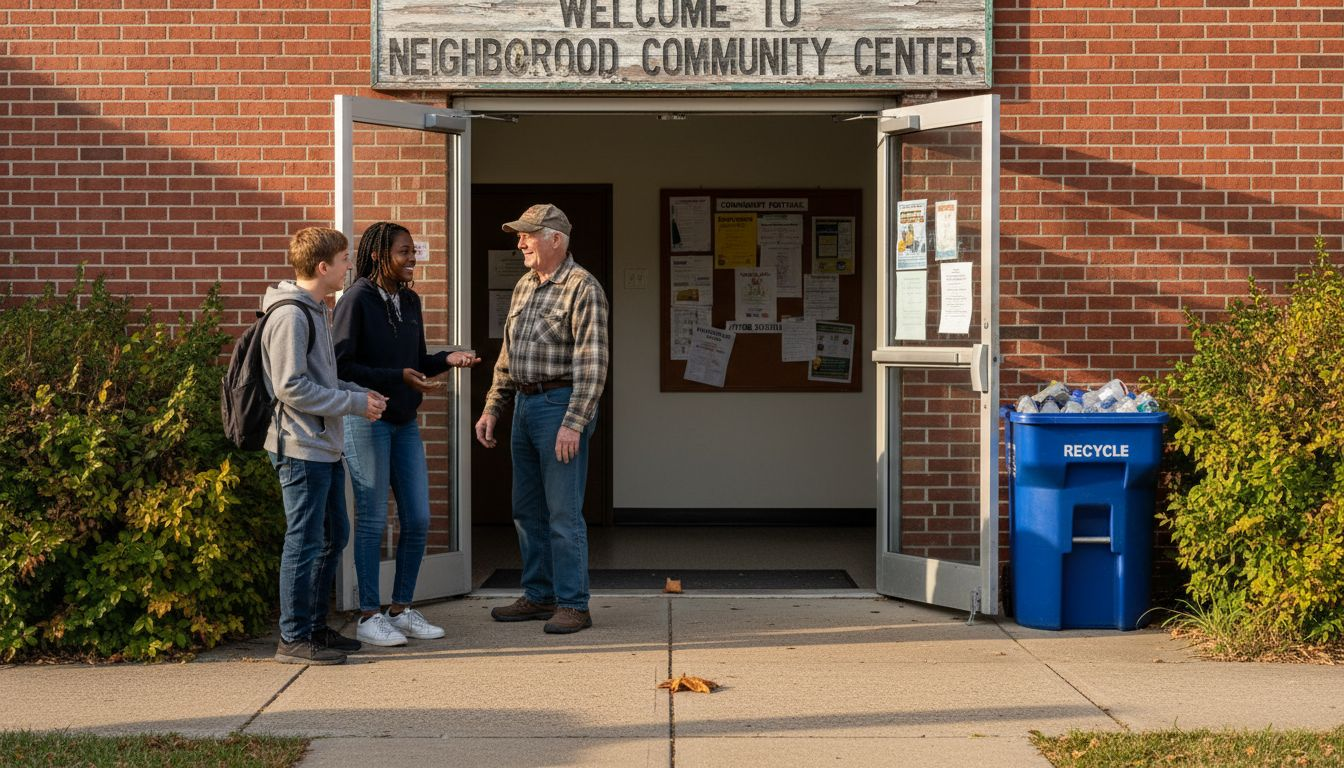
Finding meaningful ways to connect with neighbors can feel challenging for new Waterlooville residents, especially when balancing family routines and settling into a fresh community. Local community centers offer a solution by serving as vibrant hubs for learning, recreation, and social connection. These dynamic spaces bring people together, providing access to diverse programs and resources that encourage personal growth and build a strong sense of belonging.
Table of Contents
- Defining A Community Center And Core Functions
- Types Of Community Centers And Their Roles
- Key Services And Activities Provided Locally
- Benefits For Waterlooville Residents And Families
- How To Access, Join, Or Support Your Center
Key Takeaways
| Point | Details |
|---|---|
| Community Centers as Hubs | They serve as essential social infrastructure promoting interaction, education, and wellness within local neighborhoods. |
| Diverse Types and Functions | Various types of community centers cater to specific populations, including youth, seniors, and cultural groups. |
| Comprehensive Services Offered | Services range from educational programs to health initiatives, addressing a wide array of community needs. |
| Ways to Engage | Residents can access services, join activities, or support centers through volunteering and donations. |
Defining a Community Center and Core Functions
Community centers serve as essential social infrastructure that bring people together, offering a dynamic space where residents can learn, connect, and grow. These versatile facilities are more than just buildings - they are vibrant hubs that transform local neighborhoods by providing adaptive spaces for interaction.
At their core, community centers represent inclusive environments designed to support diverse community needs. They emerged historically from traditional gathering spaces like village squares, evolving into modern multipurpose facilities that address contemporary social challenges. Unlike other public spaces, community centers offer structured programs and services specifically tailored to local populations, making them unique social platforms.
The key functions of community centers typically include:
- Promoting social interaction across different age groups and backgrounds
- Offering educational and skill-development workshops
- Supporting health and wellness initiatives
- Providing recreational activities and programs
- Facilitating cultural exchange and celebration
- Serving as information and resource centers for local residents
Community centers represent adaptive hubs that respond dynamically to community needs, creating opportunities for personal growth and collective empowerment. They act as social glue, bridging gaps between different community segments and fostering a sense of belonging.
Pro tip: Before visiting a community center, check their website or bulletin board for current programs that might match your interests or skill development goals.
Types of Community Centers and Their Roles
Community centers are far from uniform, representing a diverse landscape of social spaces designed to meet specific community needs. Community centers vary widely depending on their mission, local context, and target population, creating a rich tapestry of social infrastructure that addresses unique local requirements.
Typically, community centers can be categorized into several distinct types, each with specialized focus areas:
- Youth Centers: Dedicated to providing safe spaces and developmental programs for young people
- Senior Centers: Offering social activities, health services, and support for older adults
- Neighborhood Community Centers: Serving broad local population needs
- Religious Community Centers: Providing faith-based programs and social services
- Cultural Centers: Celebrating and preserving diverse cultural traditions
- Sports and Recreation Centers: Supporting physical fitness and athletic development
Community centers function as dynamic social hubs that adapt to evolving community needs. These spaces go beyond traditional service provision, actively fostering social connections, promoting inclusivity, and creating opportunities for personal and collective growth.
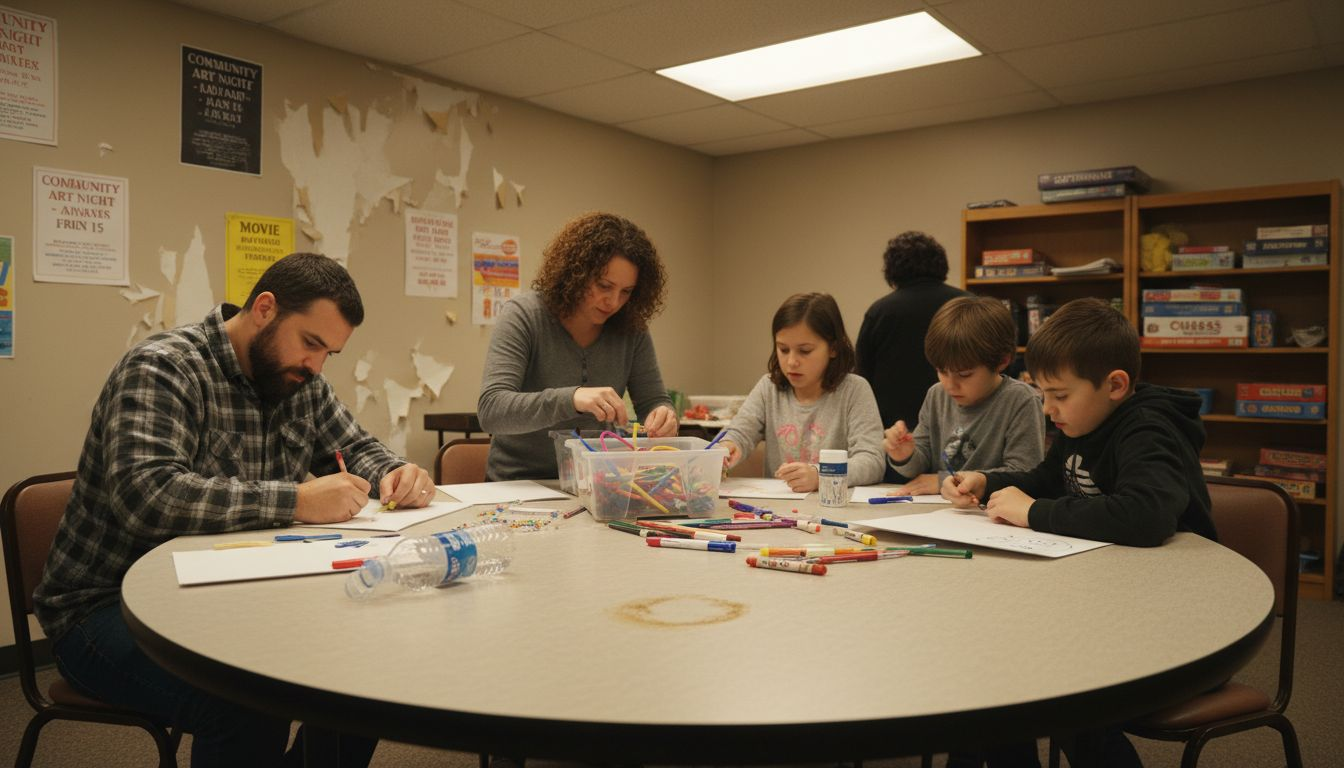
Historically, many community centers originated as settlement houses designed to support immigrant and working-class populations. Today, they continue to play a critical role in addressing social challenges, providing resources, and creating platforms for community engagement across different demographic groups.
Here is a summary comparing the main types of community centers and their primary audiences:
| Center Type | Main Audience | Notable Example Service |
|---|---|---|
| Youth Center | Teenagers, young adults | STEM workshops |
| Senior Center | Older adults | Health screening clinics |
| Neighborhood Center | All local residents | Community markets |
| Religious Center | Faith communities | Holiday celebrations |
| Cultural Center | Diverse cultural groups | Language exchange events |
| Sports & Rec Center | Athletes, fitness seekers | Team sports leagues |
Pro tip: Research local community centers to find programs that align with your personal interests, skill development goals, or social connection needs.
Key Services and Activities Provided Locally
Community centers offer a comprehensive array of services designed to address diverse community needs. These multifaceted programs aim to support residents across different life stages, providing critical resources that enhance individual and collective well-being.
The range of services typically includes multiple key categories:
- Educational Programs
- Adult literacy classes
- Skill development workshops
- Language learning courses
- Computer training sessions
- Health and Wellness Services
- Fitness classes
- Health screenings
- Mental health counseling
- Nutrition education
- Social Support Activities
- Senior citizen programs
- Youth mentorship initiatives
- Disability support groups
- Counseling services
Community centers facilitate comprehensive engagement initiatives that go beyond traditional service provision. These spaces create opportunities for social interaction, personal development, and community building through targeted programs that address both individual challenges and collective needs.
By offering accessible, affordable, and inclusive services, community centers play a crucial role in bridging social gaps, supporting vulnerable populations, and creating a sense of belonging. They function as dynamic platforms that adapt to evolving community requirements, ensuring residents have consistent support across various life dimensions.
Pro tip: Check your local community center’s monthly bulletin to discover free or low-cost programs that match your personal development goals.
Benefits for Waterlooville Residents and Families
Community centers provide extraordinary value by creating supportive environments for local families. These vital spaces serve as critical support systems that address the unique needs of Waterlooville residents across different life stages and backgrounds.
Specifically, the key benefits for families include:
- Personal Development
- Free skill-building workshops
- Career counseling services
- Educational resources for all ages
- Youth mentorship programs
- Social Connection
- Intergenerational interaction opportunities
- Family-friendly community events
- Support groups for parents
- Cultural exchange activities
- Health and Wellness
- Low-cost fitness classes
- Mental health counseling
- Nutrition education
- Child and senior wellness programs
Community centers directly improve neighborhood vitality by creating pathways for social engagement, personal growth, and collective support. They function as dynamic platforms that transform individual challenges into community-driven solutions, helping Waterlooville residents build resilience and mutual understanding.
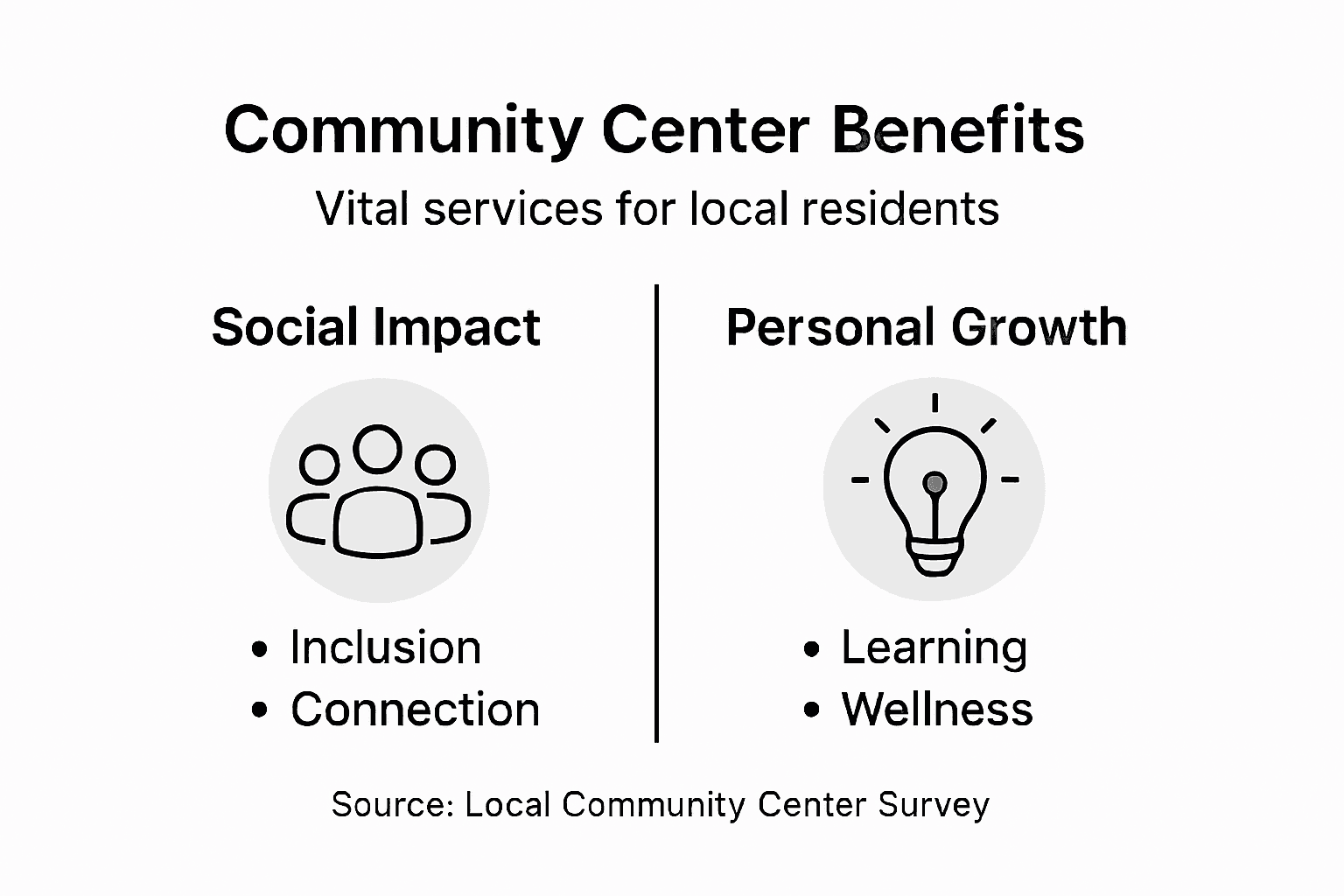
These centers are particularly crucial for vulnerable populations, offering accessible resources that might otherwise be unavailable. By providing inclusive, affordable services, they bridge social gaps and create opportunities for personal and collective advancement, ultimately strengthening the entire community’s social fabric.
Pro tip: Visit your local community center’s website or bulletin board to discover free programs and services tailored to your family’s specific needs.
How to Access, Join, or Support Your Center
Accessing and engaging with community centers can be straightforward when you understand the various methods of participation. Waterlooville residents have multiple pathways to connect with local centers, whether they’re seeking services, wanting to volunteer, or looking to support community initiatives.
Here are several ways to get involved:
- Accessing Services
- Visit the center’s physical location
- Check online program schedules
- Call the center’s administrative office
- Email for specific program information
- Joining Activities
- Register for workshops
- Sign up for fitness classes
- Participate in community events
- Apply for volunteer programs
- Supporting the Center
- Make financial donations
- Offer professional skills
- Attend fundraising events
- Spread awareness about center programs
Community service learning provides unique opportunities for deeper engagement. Students, professionals, and community members can contribute expertise, time, and resources to help centers expand their impact and develop more responsive, inclusive programs.
Most community centers welcome various forms of involvement, from casual participation to structured volunteering. By understanding the center’s mission and current needs, residents can find meaningful ways to contribute that align with their personal skills, interests, and availability.
Compare how accessing, joining, and supporting a community center differ in engagement level:
| Method | Involvement Level | Typical Commitment (Time/Resources) |
|---|---|---|
| Accessing Services | Low | Occasional visits |
| Joining Activities | Moderate | Weekly or event-based participation |
| Supporting Center | High | Regular volunteering or donations |
Pro tip: Request a volunteer information packet from your local community center to explore specific opportunities that match your skills and schedule.
Connect with Waterlooville and Strengthen Your Community
Community centers play a vital role in offering inclusive spaces that promote social interaction, personal growth, and essential services for residents of all ages. If you are looking to engage more deeply with Waterlooville’s local offerings or discover nearby activities that support your family’s health, education, and wellness, our website is here to help. From comprehensive guides to trusted local businesses and service providers to up-to-date community news, Waterlooville.co is your gateway to everything that makes this town thrive.

Don’t miss the chance to enhance your connection with the community by exploring available programs and local resources today. Visit Waterlooville.co to find detailed information about neighborhood events, family-friendly activities, and essential services designed for you. Take the first step now toward building stronger ties and enjoying the many benefits that community centers provide for Waterlooville residents.
Frequently Asked Questions
What is a community center?
Community centers are versatile facilities that provide a space for residents to learn, connect, and grow. They offer tailored programs and services to meet diverse community needs, making them vital social hubs.
What are the main functions of a community center?
Community centers promote social interaction, provide educational and skill development programs, support health initiatives, and facilitate cultural exchange. They serve as information hubs and resources for local residents.
How do community centers benefit families?
Community centers offer personal development workshops, social connection opportunities, and health and wellness services, enhancing the quality of life for families by fostering community engagement and support.
How can individuals support their local community center?
Individuals can support community centers by making donations, volunteering, attending events, or sharing information about programs. Engaging in these activities helps enhance the center’s impact and community services.
Recommended
- Waterlooville Town Centre - Waterlooville Directory | Waterlooville.co
- Blog - Waterlooville News, Tips & Community Stories | Waterlooville.co
- Leigh Park - Waterlooville Directory | Waterlooville.co
- Best Gyms in Waterlooville | Waterlooville Directory | Waterlooville.co
- Why Home Decor Matters: Complete Guide to Meaningful Spaces