
What Is Local Branding and How It Grows Community Businesses
What is local branding? Learn how it builds community trust, sets you apart from big brands, and drives customer loyalty for local Waterlooville businesses.
What Is Local Branding and How It Grows Community Businesses

Every small business in Waterlooville faces a challenge standing out in a crowded market where global chains often dominate the conversation. Local branding gives you a chance to build real trust by connecting your story and values directly with your neighbors. Embracing authentic community engagement helps your business become a valued part of daily life, turning casual shoppers into loyal advocates who choose you over distant competitors.
Table of Contents
- Defining Local Branding For Community Businesses
- Key Elements Of Effective Local Branding
- Types Of Local Branding Strategies Used Today
- How Local Branding Drives Customer Loyalty
- Common Pitfalls To Avoid With Local Branding
Key Takeaways
| Point | Details |
|---|---|
| Understanding Local Needs | Local branding focuses on specific community values, creating emotional connections that foster social cohesion. |
| Building Authentic Relationships | Effective local branding prioritizes personal relationships and trust, transforming customers into advocates. |
| Consistent Brand Identity | A cohesive visual and communication strategy reinforces brand recognition and builds customer trust. |
| Avoiding Common Pitfalls | Businesses should steer clear of inconsistent messaging and generic tactics to maintain authenticity and community relevance. |
Defining Local Branding for Community Businesses
Local branding represents a strategic approach that transforms how small businesses connect with their immediate community, moving beyond traditional marketing tactics. City branding research reveals that successful local branding creates social cohesion by establishing emotional connections and a shared identity among residents.
At its core, local branding is about understanding and embedding yourself within the unique cultural landscape of your community. Unlike generic marketing strategies that aim for broad appeal, local branding focuses on specific community needs, values, and preferences. Authentic community engagement turns customers into passionate advocates by demonstrating genuine commitment to local causes and cultural nuances.
Key characteristics of effective local branding include:
- Demonstrating deep understanding of local customer preferences
- Participating actively in community events and initiatives
- Creating narratives that reflect local cultural values
- Building personal relationships beyond transactional interactions
- Supporting local social and economic ecosystems
Businesses that excel in local branding recognize that their brand is not just about selling products or services, but about becoming an integral part of the community’s social fabric. This approach transforms enterprises from mere commercial entities into trusted community partners who contribute meaningfully to local life.
Here’s a summary of the differences between traditional marketing and local branding for community businesses:
| Approach | Traditional Marketing | Local Branding |
|---|---|---|
| Target Audience | Broad demographic | Specific community members |
| Messaging Style | Generic, one-size-fits-all | Customized to local culture |
| Customer Relationship | Transactional | Personal and trust-based |
| Community Impact | Limited social engagement | Strengthens local social fabric |
| Brand Perception | Distant, commercial | Integral community partner |
Pro tip: Start by attending local events, sponsoring community initiatives, and genuinely listening to residents to understand their unique needs and perspectives.
Key Elements of Effective Local Branding
Successful local branding goes far beyond simple marketing strategies, requiring a comprehensive approach that deeply integrates a business into its community’s fabric. Effective branding elements encompass six critical components that work together to create a powerful, authentic local presence.

At the heart of local branding lies a clear and compelling brand purpose. This means understanding not just what your business does, but why it exists and how it contributes to the local community. Local brand identity requires businesses to develop a genuine narrative that resonates with local residents’ values and aspirations.
The key elements of effective local branding include:
- Defining a clear and authentic brand purpose
- Establishing consistent brand values
- Developing a distinctive brand voice
- Creating a memorable visual identity
- Crafting compelling brand messaging
- Delivering exceptional customer experiences
Visual and communication consistency plays a crucial role in building trust and recognition. Your brand’s logo, color palette, communication style, and messaging should create a cohesive identity that feels both professional and approachable. This means every interaction - from social media posts to customer service encounters - should reflect your brand’s core identity and values.
Local businesses must also recognize that branding is an ongoing process of relationship building. It’s about creating meaningful connections that go beyond transactional interactions, positioning your business as a trusted community partner.
Pro tip: Conduct local market research to understand your community’s unique preferences and values, and continuously adapt your branding strategy to reflect those insights.
Types of Local Branding Strategies Used Today
Local businesses are increasingly adopting sophisticated branding approaches that go beyond traditional marketing techniques. Local branding strategies have evolved to create deep, meaningful connections with community members through targeted and personalized approaches.
The most effective local branding strategies focus on understanding and reflecting the unique characteristics of a specific community. This means developing marketing approaches that are not just generic campaigns, but carefully crafted experiences that resonate with local cultural nuances, preferences, and values.
Key local branding strategies include:
- Hyper-localized market research
- Community-focused event participation
- Customized social media content
- Personalized customer experiences
- Local partnership development
- Cultural storytelling and narrative creation
- Neighborhood-specific product adaptations
Digital platforms have significantly expanded the possibilities for local branding. Social media channels, local review sites, and community forums provide unprecedented opportunities for businesses to showcase their local identity, engage directly with residents, and build authentic relationships that extend beyond simple transactions.
Below is a reference table outlining effective local branding strategies and the unique business advantages they provide:
| Strategy | Unique Business Advantage | Example Outcome |
|---|---|---|
| Hyper-local market insights | Tailored products/services | Higher customer satisfaction |
| Community event engagement | Increased local visibility | Boosted word-of-mouth referrals |
| Local partnerships | Enhanced network and credibility | Collaborative promotions |
| Cultural storytelling | Deepened emotional brand connection | More loyal, repeat customers |
| Social media localization | Strong online community presence | Increased local engagement |
Successful local brands understand that their strategy is not about competing with larger corporations, but about creating a unique identity that celebrates and serves their specific community. This approach transforms businesses from anonymous commercial entities into trusted local institutions that are deeply integrated into the neighborhood’s social fabric.
Pro tip: Develop a deep understanding of your local community’s unique culture, challenges, and aspirations by actively listening and participating in local conversations and events.
How Local Branding Drives Customer Loyalty
Customer loyalty through local branding represents a powerful strategy for businesses seeking to create meaningful, long-lasting connections with their community. Unlike generic marketing approaches, local branding transforms transactional relationships into emotional partnerships that go far beyond simple commercial interactions.
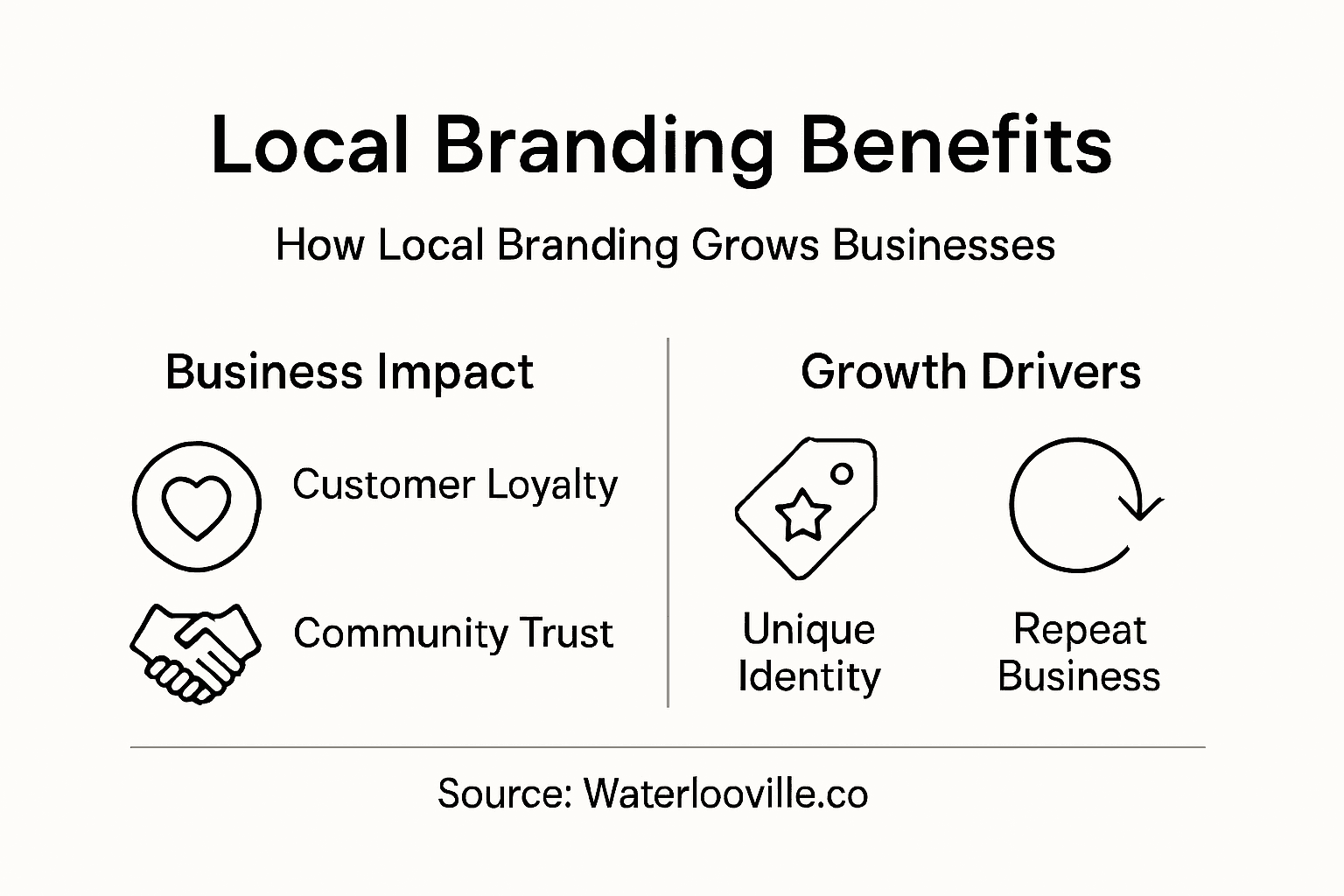
At the core of customer loyalty lies an emotional connection that transcends traditional business-customer dynamics. Consumer-brand relationships are fundamentally driven by trust, authenticity, and a sense of shared identity that makes customers feel genuinely understood and valued.
Key mechanisms through which local branding drives customer loyalty include:
- Creating personalized, culturally relevant experiences
- Demonstrating genuine community commitment
- Building emotional connections beyond transactions
- Supporting local causes and initiatives
- Providing consistent, reliable service
- Reflecting local values and preferences
- Engaging directly with community members
Successful local brands understand that loyalty is earned through consistent, meaningful engagement. This means going beyond superficial marketing tactics and truly embedding themselves into the community’s social fabric. By showing genuine care, understanding local nuances, and actively contributing to community well-being, businesses can transform occasional customers into passionate brand advocates.
Digital and physical platforms provide numerous opportunities for businesses to demonstrate their commitment. From participating in local events to creating community-focused social media content, these touchpoints help build a narrative of authentic connection that resonates deeply with local customers.
Pro tip: Create a customer feedback system that actively solicits and incorporates community input, demonstrating your commitment to listening and adapting to local needs.
Common Pitfalls to Avoid With Local Branding
Branding mistakes can undermine even the most well-intentioned local business strategies. Understanding and proactively addressing these common pitfalls is crucial for developing a robust, authentic local brand that resonates with community members and builds lasting trust.
The most critical local branding errors often stem from a lack of strategic planning and genuine understanding of the local market. Brand identity challenges typically emerge when businesses fail to develop a consistent, authentic approach that truly reflects their community’s unique characteristics.
Common pitfalls local businesses should avoid include:
- Inconsistent messaging across different platforms
- Copying competitor branding strategies
- Neglecting to define a clear target audience
- Ignoring customer feedback
- Chasing short-term trends instead of building timeless identity
- Failing to reflect local cultural nuances
- Overcomplicating brand messaging
- Using generic, impersonal communication styles
Successful local branding requires a delicate balance between maintaining a professional image and creating genuine, personal connections. Businesses must resist the temptation to imitate larger corporate brands or follow generic marketing templates. Instead, they should focus on developing a unique voice that authentically represents their specific community’s values, challenges, and aspirations.
Digital and physical marketing channels demand consistent representation. This means ensuring that your brand’s visual identity, tone of voice, and core messaging remain uniform across social media, website, physical signage, and in-person interactions. Inconsistency breeds confusion and erodes the trust that local businesses work so hard to build.
Pro tip: Conduct regular brand audits to ensure your messaging, visual identity, and customer experience remain aligned with your original brand promise and local community expectations.
Strengthen Your Local Brand with Waterlooville.co
Building an authentic local brand requires deep community connection and consistent engagement. This article highlights the challenges of creating personalized experiences, understanding local culture, and fostering trust beyond transactions—goals every community business strives to achieve. If you want your business to become an integral part of the Waterlooville community, showcasing your services alongside trusted local providers can be a game changer.
Discover how Waterlooville.co supports small businesses by connecting them with residents through a detailed business directory featuring trusted service providers like hair salons, heating engineers, and more. Whether you want to highlight your unique brand voice or engage directly with local customers at events and community initiatives, our platform offers visibility that builds the emotional connections essential to lasting customer loyalty.
Take the next step toward becoming a valued community partner and let your local branding efforts thrive by joining the vibrant network of local businesses featured on Waterlooville.co. Start attracting customers who seek trustworthy and authentic Waterlooville services today.
Explore Waterlooville’s thriving commercial community and see how your business can grow authentically at https://waterlooville.co.
Showcase your business the right way where it matters most.

Frequently Asked Questions
What is local branding?
Local branding is a strategic marketing approach that focuses on connecting businesses with their immediate communities by emphasizing cultural values, preferences, and social engagement rather than broad marketing tactics.
Why is local branding important for community businesses?
Local branding strengthens customer loyalty by creating emotional connections, fostering trust, and positioning businesses as integral parts of the community, making them more relatable and preferred by local consumers.
How does local branding differ from traditional marketing?
Local branding targets specific community members with customized messaging that reflects local culture, while traditional marketing typically uses a one-size-fits-all approach that aims for broad demographics without personal engagement.
What elements contribute to effective local branding?
Effective local branding involves defining a clear brand purpose, establishing consistent values, creating a memorable visual identity, engaging in community events, and crafting personalized messaging that resonates with local customers.