
What Is Local Sponsorship? Complete Overview and Guide
Local sponsorship explained: discover key types, how sponsorships work, benefits for businesses and communities, requirements, and common pitfalls.
What Is Local Sponsorship? Complete Overview and Guide

Most american businesses overlook the real power of local sponsorship, often seeing it as just another line item in the budget. Yet studies reveal that true local sponsorship strengthens community ties while offering significant returns for both organizations and neighborhoods. More than simply handing over cash, this partnership model helps build trust, foster loyalty, and create lasting impact that benefits everyone involved. Understanding how local sponsorship truly works can shift your entire approach to community engagement.
Table of Contents
- Defining Local Sponsorship And Misconceptions
- Types Of Local Sponsorship Explained
- How Local Sponsorships Work In Practice
- Benefits For Businesses And Community Groups
- Responsibilities, Risks, And What To Avoid
Key Takeaways
| Point | Details |
|---|---|
| Understanding Local Sponsorship | Local sponsorship is a multifaceted strategy involving financial support and active community engagement rather than mere monetary transactions. |
| Types of Sponsorships | Different types of sponsorships, such as financial, media, and in-kind, create unique engagement opportunities tailored to organizational capacities. |
| Mutual Benefits | Local sponsorships yield substantial advantages for both sponsors and community groups, enhancing visibility, support, and sustainable community development. |
| Maintaining Integrity | Ethical considerations are crucial; sponsors must ensure transparency and avoid conflicts of interest to uphold public trust and institutional integrity. |
Defining Local Sponsorship and Misconceptions
Local sponsorship represents a nuanced community engagement strategy where businesses or organizations provide financial support, resources, or services to local events, groups, or initiatives. According to research from the Independent Commission Against Corruption, sponsorship requires careful consideration to maintain transparency and prevent potential conflicts of interest.
Contrary to popular belief, local sponsorship isn’t simply about writing a check. The National Center for the Study of Adult Learning and Literacy highlights that sponsorship involves multiple dimensions, including personal, official, and intermediate support mechanisms. These relationships go beyond monetary transactions and often involve strategic partnerships that benefit both the sponsor and the sponsored entity.
Common misconceptions about local sponsorship include:
- Believing sponsorship is only about financial contributions
- Assuming sponsorships have no meaningful community impact
- Thinking sponsorships are purely transactional
In reality, effective local sponsorships create symbiotic relationships that enhance community development, support local initiatives, and provide meaningful visibility for participating organizations. Sponsors aren’t just donors; they become active community stakeholders who invest in local growth and social infrastructure.
Types of Local Sponsorship Explained
Local sponsorship encompasses several distinct categories that businesses and organizations can leverage to support community initiatives. According to research from the International Islamic University Malaysia, sponsorships can be strategically structured across multiple levels, each offering unique engagement opportunities.
The primary types of local sponsorship include main sponsorship, co-sponsorship, and tiered sponsorships. UNEC research further categorizes these into specialized formats such as:
- Financial Sponsors: Providing direct monetary support
- Media Sponsors: Offering promotional and visibility platforms
- In-Kind Sponsors: Contributing goods, services, or resources instead of cash
- Promotional Partnerships: Collaborating for mutual marketing benefits
Tiered sponsorship models like platinum, gold, and silver levels allow organizations to choose involvement based on their capacity and goals. These structured approaches enable businesses to align their community support with their strategic objectives, creating flexible and meaningful engagement opportunities that benefit both sponsors and local initiatives.

How Local Sponsorships Work in Practice
Local sponsorships operate through carefully structured collaborative frameworks that connect businesses, community organizations, and local initiatives. According to the NIHR School for Public Health Research, these relationships involve complex interactions that extend far beyond simple financial transactions, creating intricate systems of mutual community support.
The practical implementation of local sponsorships typically follows a strategic engagement process. UNHCR research highlights how sponsorship mechanisms can provide comprehensive support through multiple channels:
- Establishing clear partnership objectives
- Defining specific support mechanisms
- Creating measurable impact goals
- Developing transparent reporting processes
Successful local sponsorships require ongoing communication, regular performance evaluations, and a genuine commitment to community development. Organizations must carefully align their sponsorship strategies with local needs, ensuring that support goes beyond superficial contributions and creates meaningful, sustainable community value. This approach transforms sponsorship from a transactional interaction into a genuine partnership that drives positive local change.
Benefits for Businesses and Community Groups
Local sponsorships create a powerful symbiotic relationship that generates substantial advantages for both businesses and community organizations. TeamSnap highlights that these partnerships offer businesses unique opportunities to engage directly with their target market, significantly enhancing brand visibility and customer loyalty through meaningful community connections.
The key benefits for businesses include:
- Direct access to local consumer demographics
- Enhanced brand recognition and reputation
- Positive public relations exposure
- Opportunities for targeted marketing
- Tax potential tax deductions for charitable contributions
- Networking with community leadership
For community groups, local sponsorships provide critical financial and operational support that can transform their ability to deliver programs, events, and services. These partnerships go beyond monetary contributions, offering resources, expertise, and platform amplification that enable smaller organizations to achieve goals that would otherwise be out of reach. By creating mutually beneficial relationships, local sponsorships become a powerful mechanism for sustainable community development and economic engagement.
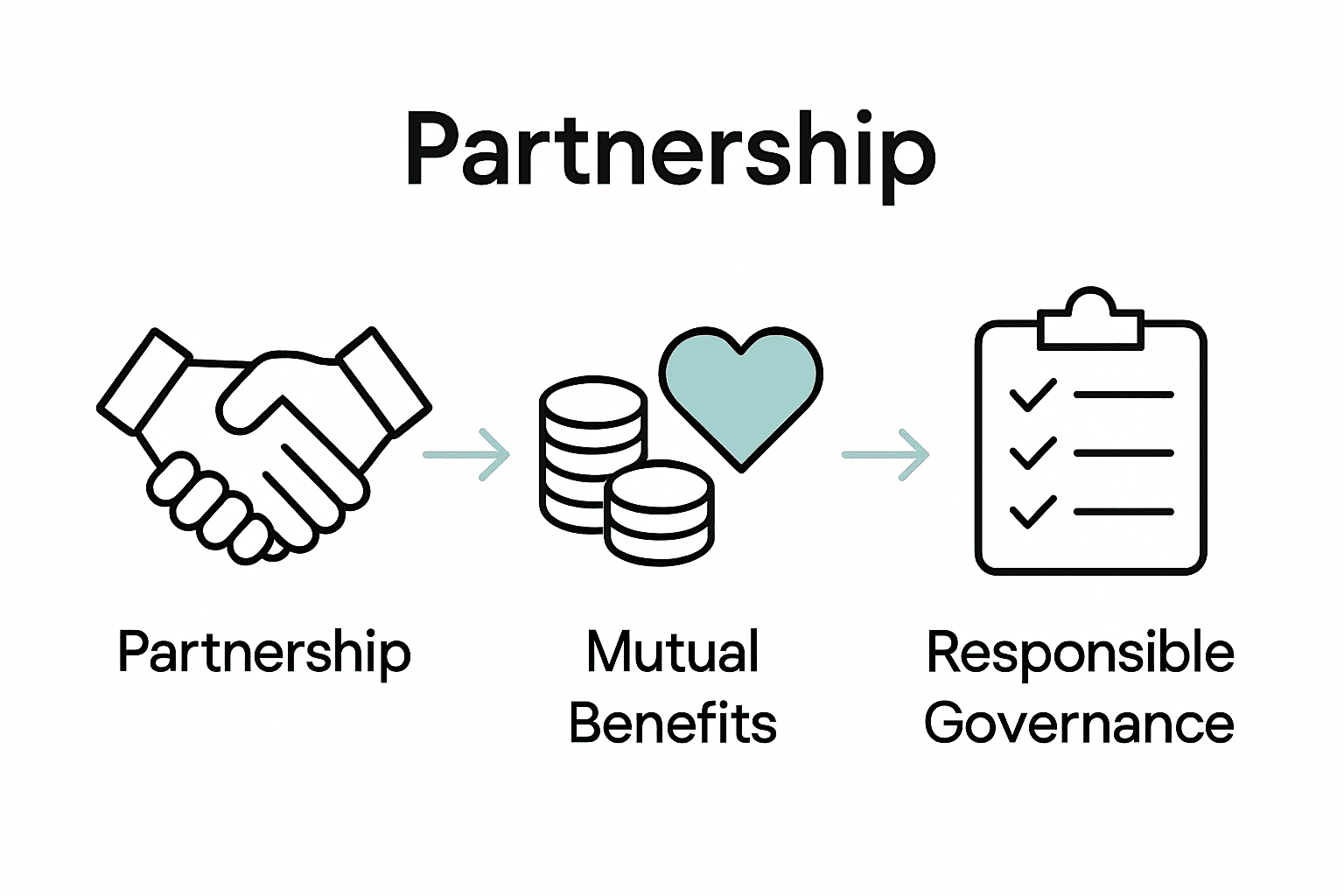
Responsibilities, Risks, and What to Avoid
Local sponsorships demand careful navigation of ethical and legal considerations to maintain transparency and public trust. According to the Independent Commission Against Corruption, organizations must prioritize impartiality and ensure that sponsorship arrangements do not compromise institutional integrity or create undue influence.
Key responsibilities and potential risks include:
- Maintaining clear documentation of sponsorship agreements
- Avoiding conflicts of interest
- Ensuring transparent financial reporting
- Preventing undue commercial influence
- Protecting the independence of sponsored organizations
Research from the NIHR School for Public Health Research emphasizes the critical need for robust governance frameworks. Sponsors and community groups must establish clear boundaries, implement rigorous evaluation mechanisms, and create mechanisms that prevent potential misuse of sponsorship relationships. This includes developing comprehensive agreements that outline expectations, deliverables, and ethical guidelines to protect both parties’ interests and maintain the fundamental purpose of community support.
Unlock the Power of Local Sponsorship in Waterlooville
Understanding local sponsorship is key to building strong community ties and fostering meaningful partnerships that benefit both businesses and residents. The article highlights crucial challenges like navigating ethical responsibilities and creating transparent, impactful sponsorships that support local growth beyond just financial aid. If you want your business or community group to make a real difference here, aligning with trusted local services and platforms is essential.
Discover trusted local businesses and community resources on Waterlooville.co. Whether you are a sponsor aiming to connect with engaged residents or a community organization seeking support, our comprehensive guide covers local shops, heating engineers, salons, healthcare providers, and much more. Explore genuine customer reviews and detailed services to create partnerships that last.

Start making meaningful connections in the heart of our town today. Visit Waterlooville.co to find your perfect local partner and turn sponsorship into a shared success story. Your community waits for you to step up and lead with impact.
Frequently Asked Questions
What is local sponsorship?
Local sponsorship is a community engagement strategy where businesses or organizations provide financial support, resources, or services to local events, groups, or initiatives. It goes beyond monetary transactions and often involves strategic partnerships that benefit both the sponsor and the sponsored entity.
What are the different types of local sponsorship?
The primary types of local sponsorship include main sponsorship, co-sponsorship, and tiered sponsorships. Additionally, there are financial sponsors (monetary support), media sponsors (promotional platforms), in-kind sponsors (goods or services), and promotional partnerships that provide mutual marketing benefits.
How do local sponsorships work in practice?
Local sponsorships operate through structured frameworks that connect businesses and community organizations. They require establishing clear partnership objectives, defining specific support mechanisms, creating measurable impact goals, and developing transparent reporting processes to ensure effective collaboration.
What are the benefits of local sponsorship for businesses and community groups?
Local sponsorships generate substantial advantages for businesses, including direct access to local demographics, enhanced brand recognition, and networking opportunities. For community groups, these partnerships provide essential financial support, resources, and expertise, enabling them to deliver programs and services effectively.
Recommended
- Blog - Waterlooville News, Tips & Community Stories | Waterlooville.co
- Areas We Cover | Waterlooville Directory | Waterlooville.co
- Editorial Articles | Waterlooville Directory | Waterlooville.co
- Local Service Ads vs Google Ads Which Is Better?
- What Is Law Firm SEO? Complete Guide for Attorneys - Case Quota