
Why Promote Community Projects: Lasting Local Benefits
Discover why promoting community projects matters, the types that drive impact, how they strengthen local life, and strategies for successful involvement.
Why Promote Community Projects: Lasting Local Benefits
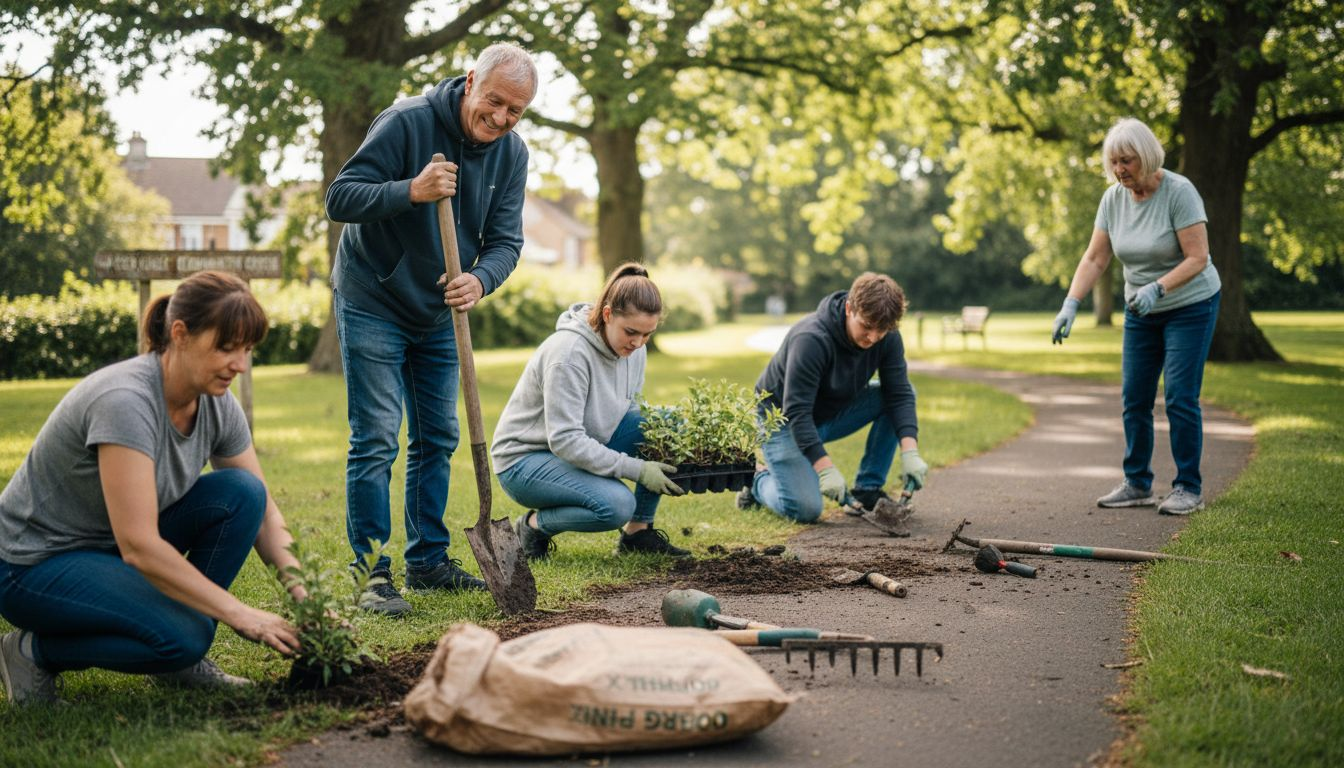
Most people are surprised to learn that american studies reveal community projects can increase neighborhood participation rates by nearly 40 percent compared to areas with little local involvement. For Waterlooville residents and business owners, this means collaborating on local projects is a proven way to strengthen social ties, support economic growth, and solve real challenges together. Discover how empowering your neighbors through hands-on community action brings lasting benefits to everyone around you.
Table of Contents
- What Makes Community Projects Essential
- Types of Community Projects in Waterlooville
- How Local Projects Build Stronger Communities
- Key Challenges in Project Promotion and Support
- Actionable Ways to Get Involved Locally
Key Takeaways
| Point | Details |
|---|---|
| Community projects foster social change | They create social connections, empower residents, and build trust through collaborative action. |
| Economic development is a key benefit | Local projects generate job opportunities and support skill development, particularly for underserved populations. |
| Sustaining engagement is crucial | Community projects must address funding limitations and maintain participant motivation through transparent communication and recognition. |
| Diverse volunteer opportunities exist | Residents can leverage their skills in various domains to contribute to community initiatives, enhancing local resilience and connectivity. |
What Makes Community Projects Essential
Community projects are far more than simple neighborhood initiatives. They represent powerful catalysts for transformative social change, addressing local challenges through collaborative action. Research demonstrates that engaging communities leads to more relevant, sustainable interventions that directly respond to local needs.
At their core, community projects serve multiple critical functions beyond immediate problem solving. They build social connections, empower residents, and create networks of mutual support. By involving local people in decision making, these projects generate trust and shared ownership. Residents become active participants rather than passive recipients, which dramatically increases project effectiveness and long term impact.
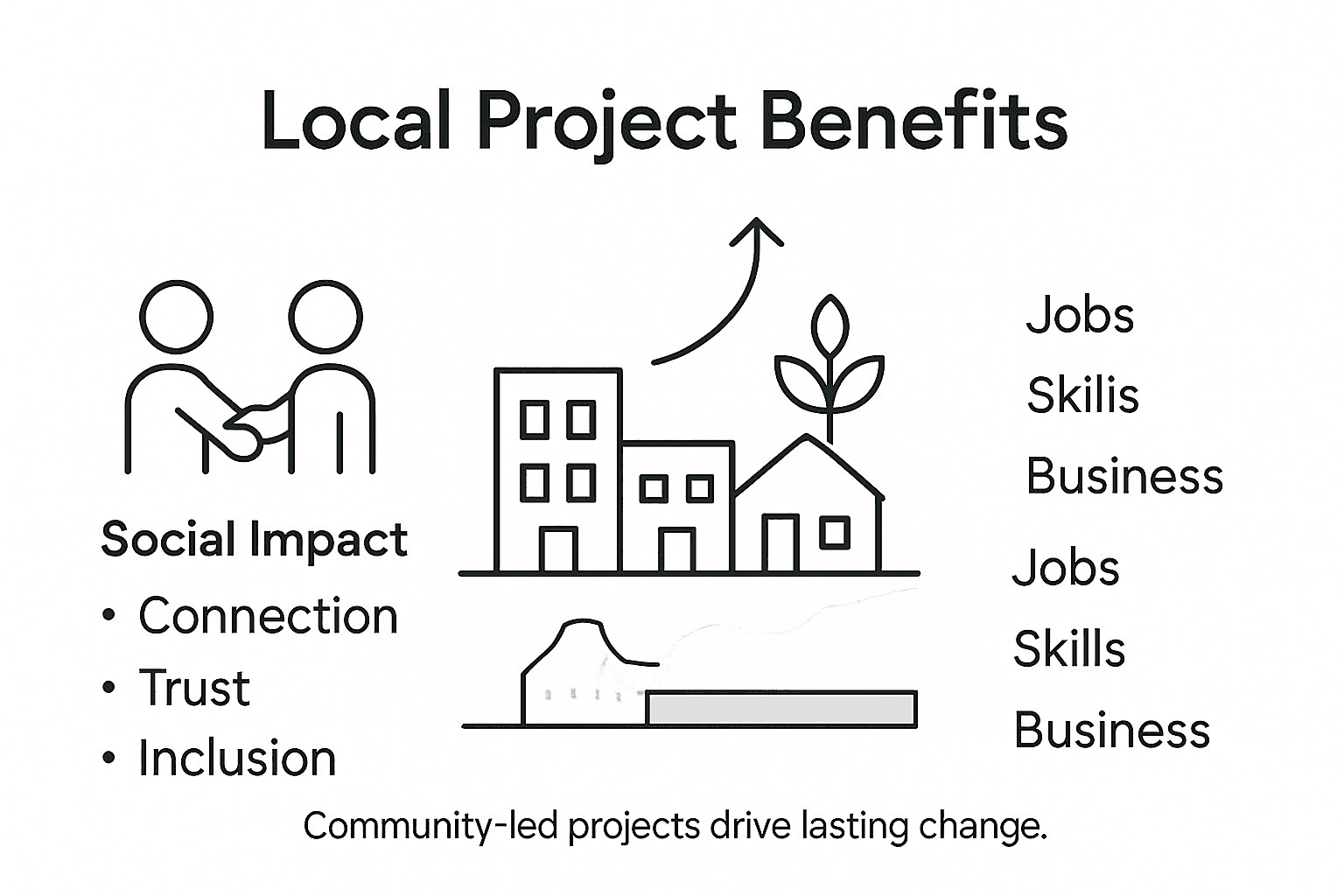
The benefits extend across multiple dimensions of community life. Economic opportunities emerge as projects create local jobs, develop skills, and stimulate micro-entrepreneurship. Social cohesion improves through increased interactions between diverse community members. Environmental initiatives can address specific local challenges like waste management, green spaces, or sustainable infrastructure. Each project becomes a platform for collective learning and shared progress.
Pro tip: Before launching a community project, conduct an informal neighborhood survey to understand specific local needs and gather initial volunteer interest.
Types of Community Projects in Waterlooville
Waterlooville offers a diverse range of community projects that address various local needs and interests. Town centre regeneration efforts demonstrate a comprehensive approach to urban development, focusing on collaborative and participatory design strategies that involve residents directly in shaping their local environment.
These community projects can be categorized into several key areas. Neighborhood improvement initiatives include public space restoration, street beautification, and community garden development. Social support projects focus on programs for youth, seniors, and vulnerable populations, such as skill-sharing workshops, mentorship programs, and local support networks. Environmental sustainability efforts involve waste reduction campaigns, green infrastructure development, and local conservation projects that protect natural resources.
Economic development represents another critical dimension of community projects in Waterlooville. Local entrepreneurship programs, skill training workshops, and small business support networks help create economic opportunities. These initiatives often target underserved community members, providing pathways for professional development and economic empowerment. By creating localized support systems, these projects strengthen the community’s overall economic resilience.
Here’s a comparative overview of key types of community projects in Waterlooville:
| Project Type | Main Objective | Typical Activities | Expected Impact |
|---|---|---|---|
| Neighborhood Improvement | Enhance public spaces | Garden creation, street art | Beautifies local area |
| Social Support | Aid vulnerable groups | Mentorship, workshops | Strengthens connections |
| Environmental Sustainability | Improve local environment | Conservation, waste reduction | Promotes eco-friendly habits |
Pro tip: Connect with local community centers and neighborhood associations to discover emerging project opportunities and potential collaboration channels.
How Local Projects Build Stronger Communities
Local community projects serve as powerful mechanisms for transforming social connections and creating meaningful neighborhood improvements. Social cohesion emerges through collaborative efforts that bring residents together, breaking down barriers and creating shared experiences that transcend individual differences. These projects provide platforms for interaction, mutual understanding, and collective problem solving.
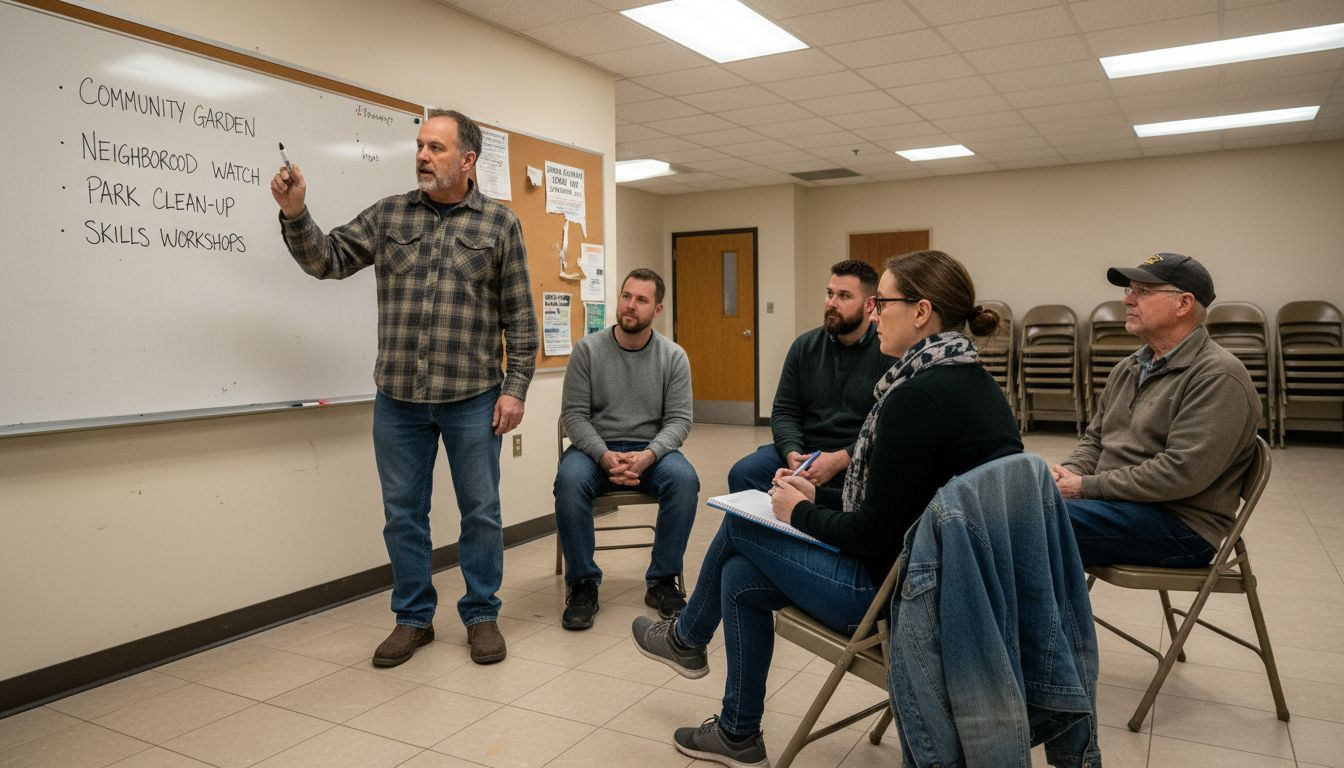
The psychological impact of community projects extends far beyond immediate practical outcomes. By engaging residents in meaningful work, these initiatives foster a sense of collective ownership and personal investment in neighborhood well-being. Participants develop stronger interpersonal relationships, build trust, and create support networks that extend well beyond the specific project goals. Young people learn civic engagement, seniors find renewed purpose, and marginalized groups gain opportunities for meaningful participation.
Economic and social resilience grows through these collaborative efforts. Community projects create skill-sharing opportunities, develop local leadership capabilities, and generate economic momentum through grassroots initiatives. By addressing specific neighborhood challenges collaboratively, residents develop problem-solving skills, increase social capital, and create sustainable solutions tailored to local needs. These projects transform passive communities into active, engaged social ecosystems where every resident has potential to contribute and benefit.
Pro tip: Start small by identifying one specific neighborhood challenge and gather a diverse group of volunteers who represent different community perspectives.
Key Challenges in Project Promotion and Support
Community projects face significant hurdles that can impede their success and sustainability. Engagement efforts encounter multifaceted challenges including complex communication barriers, power dynamics, and resource limitations that require strategic navigation and innovative solutions.
The most critical obstacles emerge from institutional and structural constraints. Funding limitations often prevent promising initiatives from gaining momentum, while bureaucratic processes can create substantial roadblocks for grassroots efforts. Cultural differences and communication gaps between project organizers and community members can further complicate implementation, reducing project effectiveness and participant engagement. Contextual barriers frequently disrupt project alignment with genuine community needs and expectations.
Social dynamics play a significant role in project challenges. Overcoming community skepticism, building trust, and maintaining long-term participant motivation require nuanced approaches. Successful projects must develop adaptive strategies that prioritize transparent communication, meaningful stakeholder involvement, and flexible implementation models. This means creating platforms for continuous feedback, recognizing diverse perspectives, and demonstrating tangible benefits that resonate with community members.
Below is a summary of common challenges community projects face and strategic approaches to overcome them:
| Challenge | Example Barrier | Strategic Approach |
|---|---|---|
| Funding Limitations | Insufficient resources | Seek grants, local sponsorship |
| Communication Gaps | Cultural misunderstandings | Use clear language, bilingual materials |
| Sustaining Motivation | Volunteer drop-off | Recognize contributions, regular updates |
Pro tip: Create a diverse steering committee representing different community demographics to help identify and proactively address potential engagement barriers.
Actionable Ways to Get Involved Locally
Waterlooville residents have numerous opportunities to actively contribute to their community and make meaningful connections. Local engagement offers diverse volunteer possibilities that cater to different interests, skills, and time commitments, ensuring everyone can find a way to participate.
Volunteer opportunities span multiple domains of community service. Community centers provide platforms for engagement through programs supporting seniors, youth mentorship, and social support initiatives. Environmental enthusiasts can join local conservation efforts, participating in park cleanups, community gardening projects, and sustainability campaigns. Social service organizations often need volunteers for food banks, support groups, and neighborhood improvement projects that directly impact local quality of life.
Professional skills can also be valuable community contributions. Many local nonprofits and community groups seek volunteers with specific expertise such as marketing, accounting, digital skills, or project management. These skill-based volunteering opportunities allow professionals to make substantive impacts while developing personal networks and gaining meaningful experience. Matching volunteer skills with community needs creates mutually beneficial relationships that strengthen neighborhood resilience and social connectivity.
Pro tip: Attend local community meetings and connect with neighborhood associations to discover volunteer opportunities that align with your personal interests and skills.
Empower Waterlooville Through Community Projects Today
Community projects face common challenges like limited funding, communication gaps, and sustaining volunteer motivation. This article highlights how building trust and creating active participation can transform neighborhoods into vibrant, resilient communities. If you want to overcome these hurdles in Waterlooville and make a real difference where you live, it all starts with connecting locally and leveraging available resources.

Explore how you can contribute by accessing trusted local business directories and community information at Waterlooville.co. Discover opportunities to support neighborhood improvement, environmental sustainability, and social support initiatives easily through our comprehensive guide. Visit Waterlooville.co now and take the first step toward shaping a stronger, more connected community that shares ownership and lasting benefits.
Frequently Asked Questions
What are the main benefits of community projects?
Community projects build social connections, empower residents, create economic opportunities, and address local environmental challenges. They foster community engagement and collective ownership, enhancing overall community resilience.
How can I get involved in community projects?
Residents can participate by volunteering in local community centers, joining environmental initiatives, or offering skills to support local organizations. Attending community meetings is also a great way to discover opportunities.
What types of community projects are most common?
Common types of community projects include neighborhood improvement initiatives, social support programs for vulnerable populations, and environmental sustainability efforts focused on waste reduction and conservation.
What challenges do community projects typically face?
Community projects often face challenges like funding limitations, communication gaps, and maintaining volunteer motivation. Overcoming these challenges requires adaptive strategies, transparent communication, and stakeholder involvement.
Recommended
- Blog - Waterlooville News, Tips & Community Stories | Waterlooville.co
- Areas We Cover | Waterlooville Directory | Waterlooville.co
- Waterlooville High Street - Waterlooville Directory | Waterlooville.co
- Waterlooville News - Waterlooville Directory | Waterlooville.co
- 7 Community Involvement Ideas for Moving Homeowners - Onyx Removals
- What Is Local SEO and Why It Matters in Sydney – Marzipan
- 7 Sustainable Packaging Ideas for Your Business – Spaceman