
Why Volunteer Locally: Complete Guide for 2025
Why volunteer locally? This comprehensive guide covers top reasons, types of opportunities, community impact, and how to get started in your area.
Why Volunteer Locally: Complete Guide for 2025
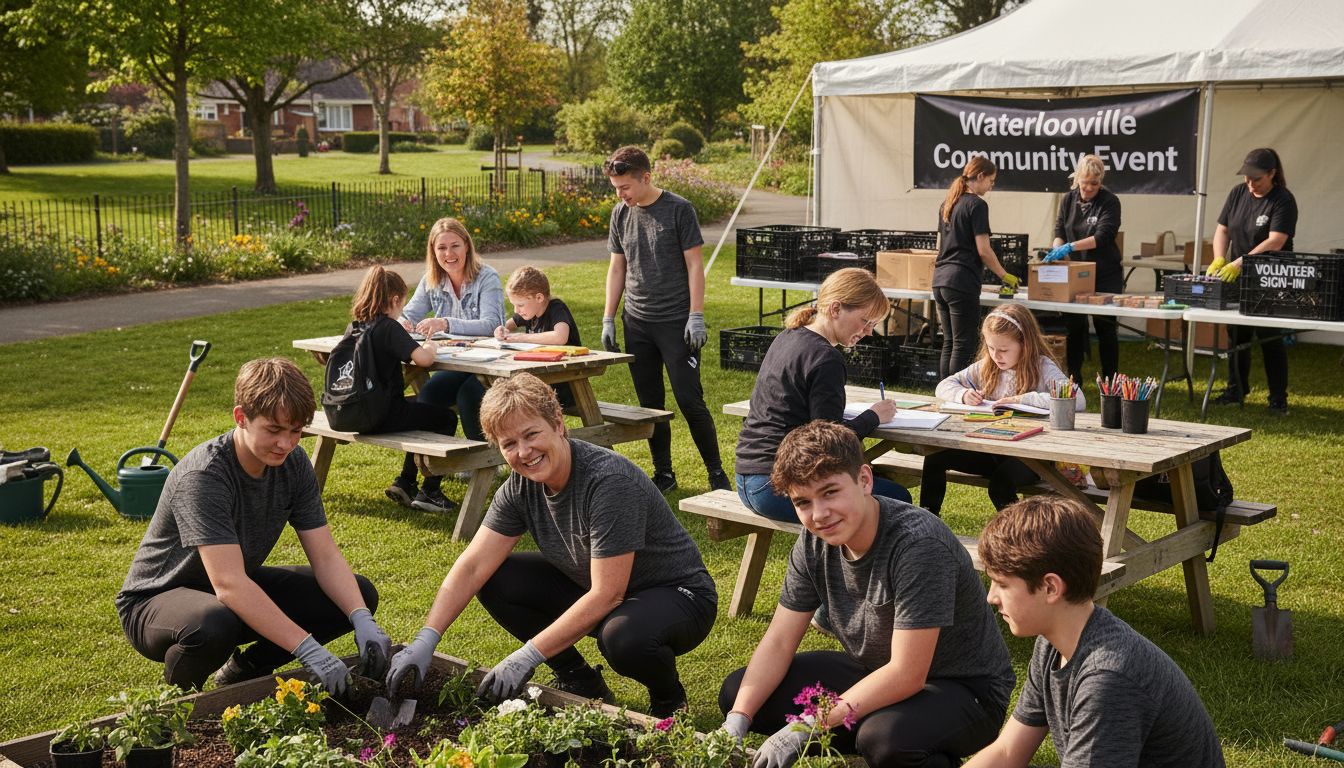
Most american communities rely on volunteers who help shape local life in ways that paid services often cannot. Nearly one in four americans reports volunteering in their neighborhood each year, a figure that shows just how powerful local action can be. Giving your time and energy to causes close to home builds real connections and brings about visible change. Whether you are curious or ready to jump in, understanding what local volunteering means will help you find opportunities that suit your interests and schedule.
Table of Contents
- What Local Volunteering Really Means
- Types of Local Volunteer Opportunities
- Key Benefits For Individuals And Communities
- How To Start Volunteering Locally
- Challenges And How To Overcome Them
Key Takeaways
| Point | Details |
|---|---|
| Local Volunteering is Impactful | It involves dedicating unpaid time to directly benefit communities, fostering social connections and aiding local initiatives. |
| Diverse Opportunities Available | Volunteer roles range from supporting education and healthcare to participating in community service and environmental efforts, catering to various interests and schedules. |
| Personal Growth Through Volunteering | Individuals gain valuable skills and experience that enhance professional development and personal satisfaction while strengthening community bonds. |
| Overcoming Challenges is Possible | Addressing time constraints and finding the right volunteer fit can lead to meaningful engagement; organizations should support flexible roles and skill development. |
What Local Volunteering Really Means
Volunteering goes far beyond simply donating time—it represents a profound commitment to community transformation. Local volunteering is about rolling up your sleeves and directly impacting the neighborhoods and people around you. According to NCVO, volunteering involves individuals dedicating unpaid time to benefit others, encompassing both formal organizational roles and informal community assistance.
At its core, local volunteering means choosing to contribute your skills, energy, and compassion without expecting financial compensation. This could mean anything from coaching a youth sports team to helping elderly neighbors with home maintenance, from organizing community fundraisers to serving on local committees. Nidirect emphasizes that these activities contribute significantly to community life, creating connections that strengthen social fabric.
The beauty of local volunteering lies in its accessibility and diversity. You don’t need extraordinary skills—just genuine enthusiasm and a willingness to help. Whether you have two hours a week or can commit to a monthly project, there are opportunities tailored to every schedule and interest. Some powerful ways to engage include:
- Supporting local schools and educational programs
- Assisting senior centers and community health initiatives
- Participating in environmental cleanup and conservation efforts
- Helping local nonprofit organizations with administrative tasks
- Mentoring youth or providing skill-based support to community groups
By volunteering locally, you’re not just giving time—you’re building stronger, more resilient communities one act of kindness at a time. Your contribution, no matter how small, creates ripple effects that can transform lives and neighborhoods.
Types of Local Volunteer Opportunities
Local volunteer opportunities are incredibly diverse, offering something for everyone with different skills, interests, and availability. Victoria Government highlights that these opportunities range from formal organizational roles to informal community assistance, encompassing everything from structured programs to spontaneous acts of kindness.
In the realm of community service, volunteers can engage in numerous meaningful ways. Youth and education sectors offer rich opportunities, including tutoring students, mentoring young people, and supporting after-school programs. Environmental conservation represents another critical area where volunteers can make significant impacts, participating in local park cleanups, wildlife preservation efforts, and sustainable community projects.
According to Volunteering Queensland, local volunteer opportunities span multiple domains. Here are some key categories where community members can contribute:
-
Social Services
- Supporting homeless shelters
- Assisting senior citizen centers
- Helping food banks and community kitchens
-
Healthcare and Wellness
- Hospital volunteer programs
- Supporting mental health organizations
- Community health education initiatives
-
Community Development
- Local event organization
- Neighborhood improvement projects
- Community center support
-
Emergency and Safety Services
- Volunteer firefighting
- Search and rescue teams
- Community emergency response training
The most powerful aspect of local volunteering is its flexibility. Whether you have two hours per week or can commit to more extensive projects, there’s a volunteer opportunity waiting for your unique talents and passion. Your contribution, no matter how small, can create meaningful change right in your own backyard.
Key Benefits for Individuals and Communities
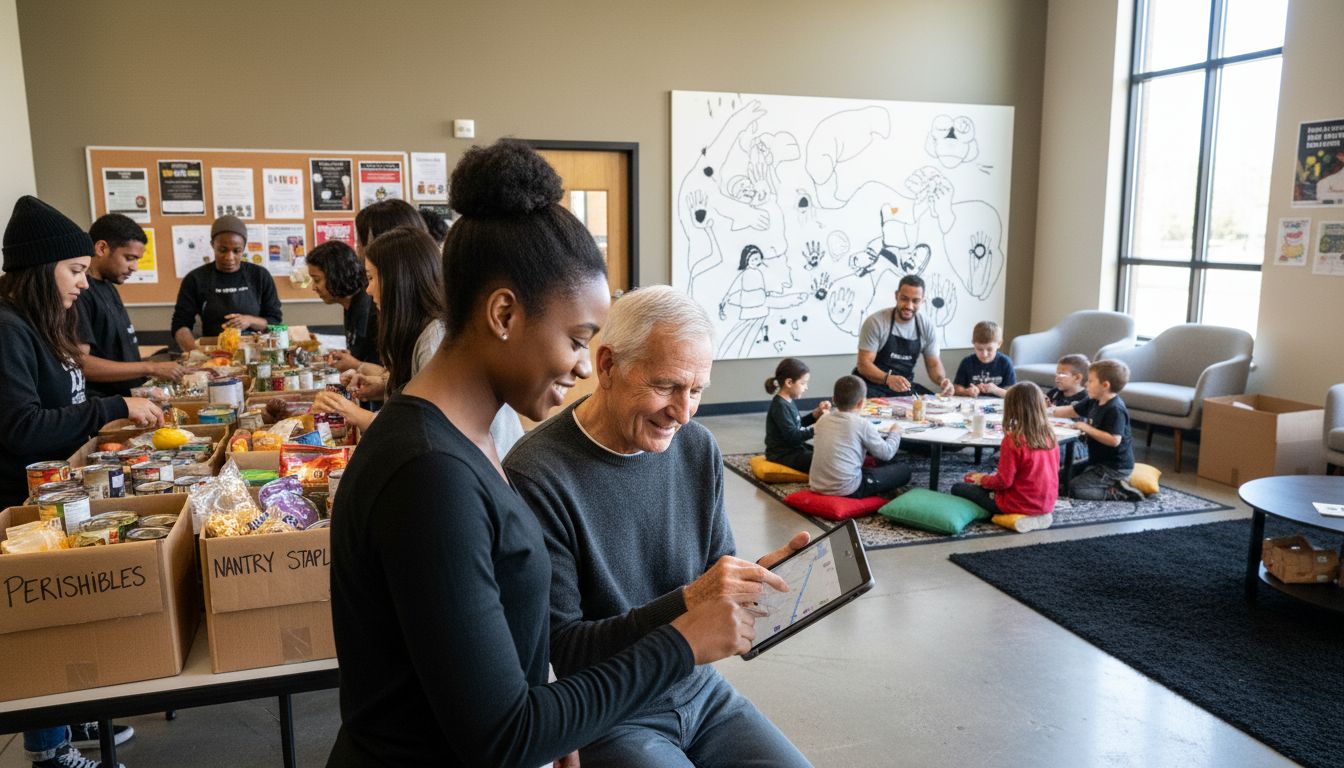
Volunteering creates a powerful symbiotic relationship that transforms both individual lives and entire community landscapes. According to NCVO, volunteering offers individuals remarkable opportunities to develop new skills, enhance career prospects, and forge meaningful connections while simultaneously strengthening social bonds within communities.
Personal Development Benefits are profound and far-reaching. Volunteers gain much more than they give, acquiring transferable skills that can significantly boost professional trajectories. From leadership experience and communication skills to problem-solving abilities and emotional intelligence, volunteering provides a unique learning environment outside traditional academic or professional settings. Victoria Government emphasizes that these experiences create pathways to employment and personal growth that extend far beyond monetary compensation.
The community benefits are equally transformative. Volunteer contributions generate tangible and intangible improvements across multiple sectors. Here’s a breakdown of these impacts:
-
Social Infrastructure
- Strengthens community networks
- Reduces social isolation
- Builds cross-generational understanding
-
Economic Impact
- Supports local nonprofit organizations
- Reduces costs for public services
- Creates sustainable community solutions
-
Personal Growth Areas
- Develops professional skills
- Enhances mental health and well-being
- Provides networking opportunities
Ultimately, volunteering represents a powerful exchange where individual passion meets community need. Every hour contributed creates ripple effects that extend far beyond the immediate task, weaving stronger, more resilient social fabrics.
Your commitment doesn’t just change tasks—it transforms lives, one act of service at a time.
How to Start Volunteering Locally
Taking the first step into local volunteering can feel intimidating, but the process is simpler than most people realize. Nidirect recommends beginning by identifying causes and activities that genuinely spark your passion, whether that’s sports coaching, community fundraising, or supporting local nonprofits. The key is finding opportunities that align with your interests and personal values.
Assessing your available time and skills is crucial when starting your volunteer journey. Realistic commitment matters more than grand gestures. According to Victoria Government, potential volunteers should consider their schedule, personal strengths, and the specific requirements of different organizations. Some roles might need weekly commitments, while others allow more flexible participation.
Here’s a strategic roadmap for launching your local volunteering experience:
-
Self-Reflection and Exploration
- Identify your passions and interests
- Assess your available time
- Evaluate your transferable skills
-
Research Local Opportunities
- Check community center bulletin boards
- Search online volunteer databases
- Contact local nonprofit organizations
- Explore municipal volunteer programs
-
Initial Connection Steps
- Attend informational meetings
- Request volunteer application forms
- Complete background checks if required
- Discuss potential roles and expectations
-
Skill Matching and Training
- Discuss your background with volunteer coordinators
- Understand role-specific training requirements
- Be open to skill development opportunities
- Start with low-commitment roles
Remember, your first volunteering experience might not be perfect—and that’s okay. The most important step is showing up with genuine enthusiasm and a willingness to learn. Local communities thrive on the energy and commitment of volunteers just like you, ready to make a meaningful difference one hour at a time.
Challenges and How to Overcome Them
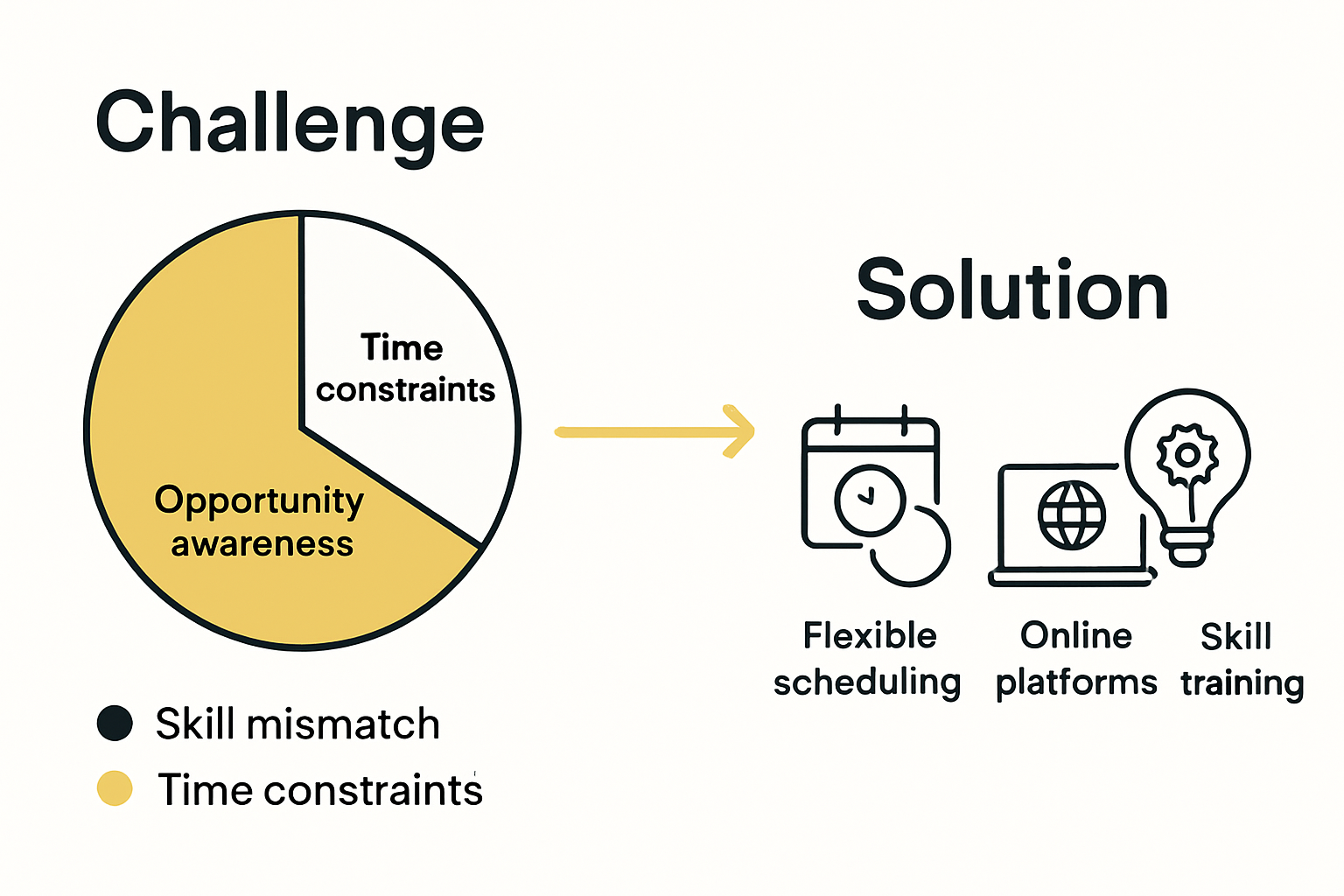
Volunteering, while immensely rewarding, comes with its own set of complex challenges that can discourage even the most enthusiastic individuals. Scottish Government highlights that common obstacles include time constraints, limited awareness of opportunities, and potential mismatches between volunteers’ skills and organizational needs.
Time Management emerges as the most significant barrier for potential volunteers. Many people struggle to balance existing work, family, and personal commitments with volunteer responsibilities. According to Volunteering Queensland, addressing these challenges requires clear communication and flexible role expectations. Organizations must provide transparent role descriptions and support systems that accommodate diverse schedules and personal limitations.
Here are strategic approaches to navigating common volunteering challenges:
Personal Challenges
- Time Constraints
- Choose micro-volunteering opportunities
- Select roles with flexible scheduling
- Start with minimal time commitments
- Use virtual or remote volunteering options
Organizational Challenges
- Skill Matching
- Communicate your specific skills clearly
- Request comprehensive role descriptions
- Seek training and development opportunities
- Be open to learning new capabilities
Psychological Barriers
- Motivation and Engagement
- Set clear personal goals
- Track your impact and contributions
- Connect with fellow volunteers
- Celebrate small achievements
Successful volunteering is about finding the right balance between personal capacity and organizational needs. By approaching challenges with flexibility, self-awareness, and a growth mindset, you can transform potential obstacles into opportunities for meaningful community engagement.
 Remember, every volunteer journey is unique, and perfection is never the goal—genuine commitment and willingness to learn are what truly matter.
Make Your Local Volunteering Efforts Count in Waterlooville
The article highlights common challenges such as time management, finding the right opportunities, and matching skills with community needs. If you want to channel your passion for local volunteering without the stress of navigating multiple resources, you need a trusted, all-in-one guide that connects you directly to your community. Waterlooville.co is designed to bridge that gap by providing up-to-date information about local organizations, events, and services where your support matters most.

Discover how you can give back effectively by exploring local volunteer opportunities and community services through Waterlooville.co. Whether you want to help a neighborhood project or join supportive social groups, our platform offers insights into local nonprofits, community centers, and service providers around Waterlooville and surrounding areas like Cowplain and Denmead. Don’t wait to make a difference—start your volunteering journey today by visiting your comprehensive Waterlooville community guide and see how simple it is to get involved in creating a stronger, more connected neighborhood.
Frequently Asked Questions
What does local volunteering involve?
Local volunteering involves dedicating your time and skills to benefit your community without financial compensation. This may include roles such as coaching sports, assisting local nonprofits, or helping with community clean-up efforts.
What are some common types of local volunteer opportunities?
Common types of local volunteer opportunities include assisting at food banks, supporting educational programs, engaging in environmental conservation, and providing services at community health initiatives.
How can volunteering locally benefit my personal development?
Volunteering locally can enhance your personal development by providing opportunities to acquire new skills, improve social networks, and boost your mental well-being, all while giving back to the community.
What should I consider before starting to volunteer locally?
Before starting to volunteer, consider your interests, available time, and the skills you can offer. It’s important to choose opportunities that align with your values and commitments to ensure a fulfilling experience.
Recommended
- Blog - Waterlooville News, Tips & Community Stories | Waterlooville.co
- Editorial Articles | Waterlooville Directory | Waterlooville.co
- Waterlooville.co — Local Directory & News
- Areas We Cover | Waterlooville Directory | Waterlooville.co
- 7 Local Marketing Ideas for Service Businesses to Grow Fast | Website Design & Google Ads That Generate Leads
- Should Freelancers Work for Free?