
Why Vote in Local Elections – Impact on Your Community
Why vote in local elections? Learn how your vote directly affects public safety, education, taxes, and daily life in Waterlooville and beyond.
Why Vote in Local Elections – Impact on Your Community
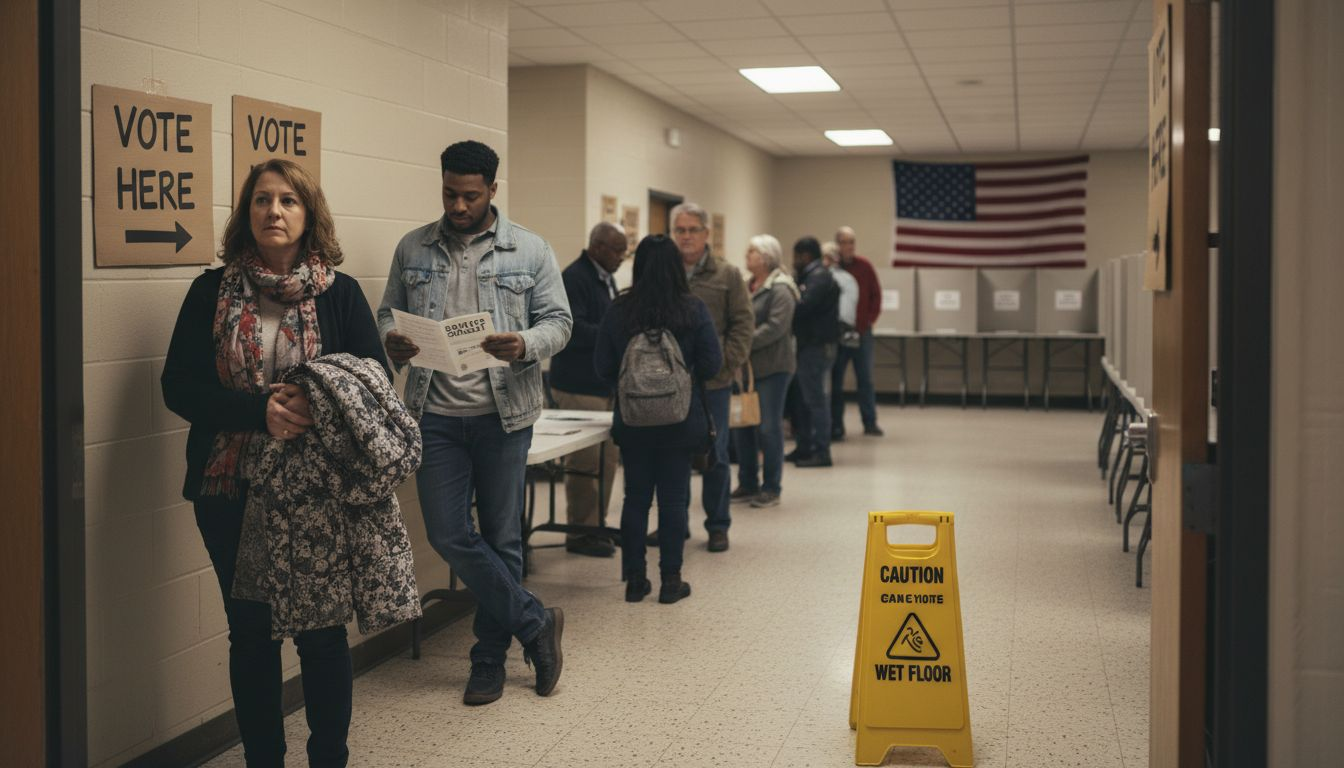
Many people in Waterlooville overlook local elections, thinking they pale in comparison to national votes, but the reality is quite the opposite. The leaders chosen through these contests make decisions about road repairs, water service, education funding, and more, shaping residents’ everyday experience. With local elections often seeing voter participation below 20 percent, as research shows, it becomes even more crucial to understand the true impact these votes have on your community’s services and future.
Table of Contents
- Defining Local Elections And Common Misconceptions
- Types Of Local Offices And Their Responsibilities
- How Local Voting Influences Daily Life
- Legal Framework And Voter Participation Requirements
- Risks Of Low Turnout And Community Consequences
Key Takeaways
| Point | Details |
|---|---|
| Local Elections Matter | Local elections significantly impact daily life, controlling essential services and governance in your community. |
| Understanding Responsibilities | Familiarize yourself with local offices and their specific roles to engage effectively in voting decisions. |
| Influence of Voter Turnout | Low voter turnout skews representation, increasing the power of special interests over community needs. |
| Stay Informed and Prepared | Research candidates and local election dates early to ensure your vote counts and reflects your priorities. |
Defining Local Elections and Common Misconceptions
Local elections are the races for positions in your town, city, or county government. These include elections for mayors, town council members, school board representatives, and other local officials. Unlike state or federal elections held in November of even-numbered years, local elections follow their own schedules. In Waterlooville, your local elections determine who makes decisions about road maintenance, water services, and community planning that affect your daily life.
Here’s where misconceptions creep in. Many people assume local elections don’t matter because they seem less important than presidential races. That assumption is backward. Municipal governments handle the services you interact with most frequently. Your local representatives control budgets for fixing potholes on your street, maintaining water systems that serve your home, and managing public health services. These are not minor issues. They touch your life more directly than most state or federal decisions.
Another common myth suggests that municipal elections lack real significance compared to national politics. This perception overlooks how local representatives exercise substantial authority over governance and spending. A council member’s vote on a development proposal shapes what gets built near your neighborhood. A school board decision determines funding for local education. These choices ripple through Waterlooville for years.
Turnout patterns reveal the problem. Local elections typically see voter participation below 20%, far lower than presidential elections. This happens partly because local elections often occur on different dates from major national votes. When fewer people participate, special interest groups gain disproportionate influence. Voters who do show up tend to be older, wealthier, and whiter than the overall population. This means decisions get made by voices that don’t represent your entire community.
Understood correctly, local elections are fundamentally administrative, not just political. The distinction matters. Yes, candidates may disagree about ideology, but they’re primarily deciding how to run services you depend on. Recognizing this reality changes how you think about voting locally.
Pro tip: Check your local election date now rather than waiting until election season arrives. Mark it on your calendar and research candidates early so you’re prepared when voting day comes.
Types of Local Offices and Their Responsibilities
Waterlooville’s local government includes several distinct offices, each handling different aspects of community life. Understanding who does what helps you vote strategically and know which official to contact when issues arise. The main positions you’ll encounter on your ballot are town or city council members, the mayor, school board representatives, and potentially commissioners for specialized services.
Town and City Council Members form the backbone of local governance. These councillors influence local policy, budgeting, and service delivery related to education, transportation, and community wellbeing. When council votes on whether to repair a street, approve a new housing development, or adjust the local budget, your council member’s position matters directly. In Waterlooville, council members typically represent specific wards or districts, meaning they answer to voters in their neighborhoods.
The mayor serves as the chief executive officer of your town. This person chairs council meetings, represents the municipality at public events, and often breaks tie votes on council decisions. Some mayors have substantial power to veto council decisions, while others operate more ceremonially depending on your local government structure. Either way, the mayor shapes priorities and public policy direction.
School board members handle education funding and curriculum decisions. They approve school budgets, hire superintendents, and set policies affecting your kids’ education. A school board vote on building maintenance, teacher salaries, or new programs has real consequences for local students.
Other offices vary by location but might include a police commissioner overseeing law enforcement strategy, county supervisors managing county services, or representatives to special districts handling water, parks, or utilities. Understanding how various local offices distribute power reveals how multiple tiers of government work together to serve your community.
Each position comes with specific authority and budget responsibility. When you vote, you’re selecting people to manage these distinct functions. Knowing which office handles what prevents frustration and directs your civic engagement effectively.
Here’s a summary of the main local offices and how they impact Waterlooville residents:
| Office Type | Core Responsibilities | Impact on Daily Life | Who to Contact for Issues |
|---|---|---|---|
| Town/City Council Member | Policy, budgeting, service delivery | Street repairs, zoning decisions | Ward/District council office |
| Mayor | Executive leadership, meeting chair | Direction of local policies, tie votes | Mayor’s office |
| School Board Member | Education funding, curriculum | School resources, teacher salaries | Local school board office |
| Commissioner/Special Rep | Law enforcement, utilities, parks | Police presence, water, recreation | Applicable commission or district |
Pro tip: Before election day, visit your local government website to find detailed job descriptions for each position on your ballot and learn which office handles issues that matter most to you.
How Local Voting Influences Daily Life
Your local election vote shapes the immediate environment you live in every single day. When you cast a ballot for a town council member or school board representative, you’re directly influencing decisions about the roads you drive on, the water flowing from your tap, and the schools your children attend. These aren’t abstract policy matters. They’re tangible services that affect you right now.
Consider your street. Someone decided whether to repave it this year or next. Someone allocated budget dollars to fix that pothole near your house. That someone is likely a council member you could have voted for. Local elections directly affect decisions on infrastructure maintenance, policing budgets, and public health services. Your vote determines who makes those allocation choices.
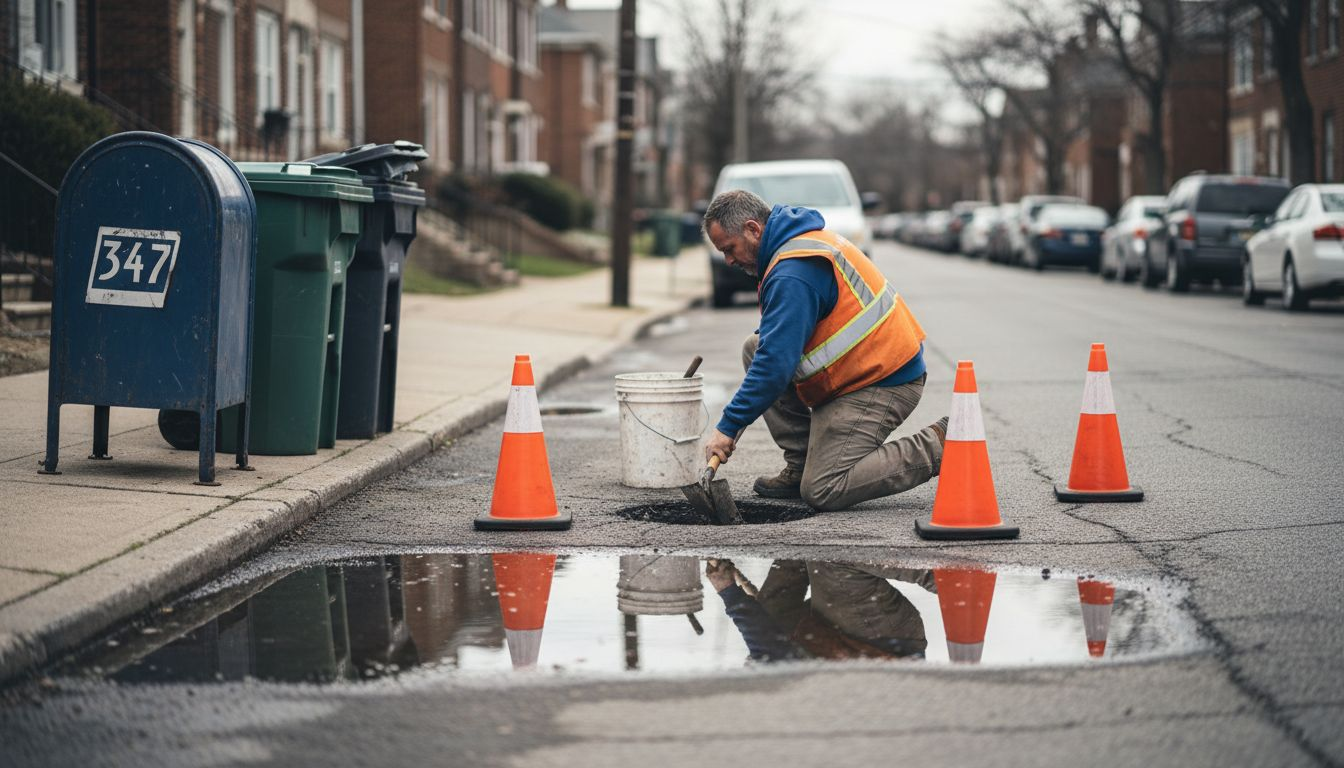
Police and emergency services operate on budgets set by local officials. A council vote changes how many police officers patrol your neighborhood or what resources the fire department receives. Education quality hinges on school board decisions about teacher pay, building maintenance, and curriculum. Parks, libraries, and recreation programs exist because elected officials funded them. Trash collection, street lighting, and building permits all trace back to local government choices.
Local officials shape policy priorities in communities through election cycles, creating windows for new issues to be addressed. When you vote, you’re essentially opening doors for the issues you care about. An elected official who prioritizes environmental concerns will push different projects than one focused on commercial development. Your vote determines which priorities win.
The impact compounds over time. One election cycle determines four years of decisions. Four years of potholes filled or left unfilled. Four years of schools receiving adequate funding or struggling. Four years of police presence or reduced patrols. Waterlooville residents who vote locally gain real influence over their community’s trajectory.
Yet many people skip local elections because they don’t see the connection between a ballot and their daily lives. That disconnection is exactly why local elections matter so much. Low turnout means fewer voices shape decisions affecting everyone.
Pro tip: Keep a simple list of issues affecting you personally, then research which candidates or officials address those specific concerns before you vote.
Legal Framework and Voter Participation Requirements
Before you can vote in Waterlooville’s local elections, you need to meet specific legal requirements. These rules exist to ensure fair elections and verify that voters are eligible to participate. Understanding what you need matters because missing a deadline or lacking proper documentation could prevent you from casting your ballot.
The core requirements are straightforward. You must be a United States citizen, at least 18 years old on election day, and a resident of your voting jurisdiction for a specified period (usually 30 days before the election). Some jurisdictions also require you to be registered with your state or county. Hampshire may have its own specific residency requirements, so verify the exact timeline with your local election office.
Voter registration is your first step. Legal frameworks for local elections establish voter eligibility, registration processes, and election administration rules that vary by jurisdiction. In most places, you register online, by mail, or in person at your county clerk’s office. Registration deadlines typically fall 15 to 30 days before election day, so don’t wait until the last moment.
Once registered, you can vote on election day or through early voting options. Local government election laws regulate voting procedures to promote fair and transparent elections, including provisions for absentee ballots and polling access. Many jurisdictions now offer mail-in voting, allowing you to vote from home. Check whether your area permits this option and the deadline for requesting an absentee ballot.
Polling locations are determined by your address. You’ll vote at a specific precinct assigned to your residential location. Bring a valid photo identification, though requirements vary by state. A driver’s license, passport, or state ID typically works. If you’ve moved recently but haven’t updated your registration, inform poll workers when you arrive.
Local election offices manage the legal machinery. Contact yours if you’re unsure about registration status, polling locations, or voting options. They handle questions about eligibility and ensure you can participate smoothly.
Pro tip: Register to vote at least three weeks before election day, then note your polling location and take a photo of it on your phone so you don’t forget where to go.
Risks of Low Turnout and Community Consequences
When fewer people vote in local elections, the decisions that get made stop representing the broader community. This matters enormously. Low turnout creates a vacuum that gets filled by voices that don’t reflect everyone’s priorities or needs. The people who show up aren’t a random sample of your town. They tend to be older, wealthier, and more politically connected than average residents.
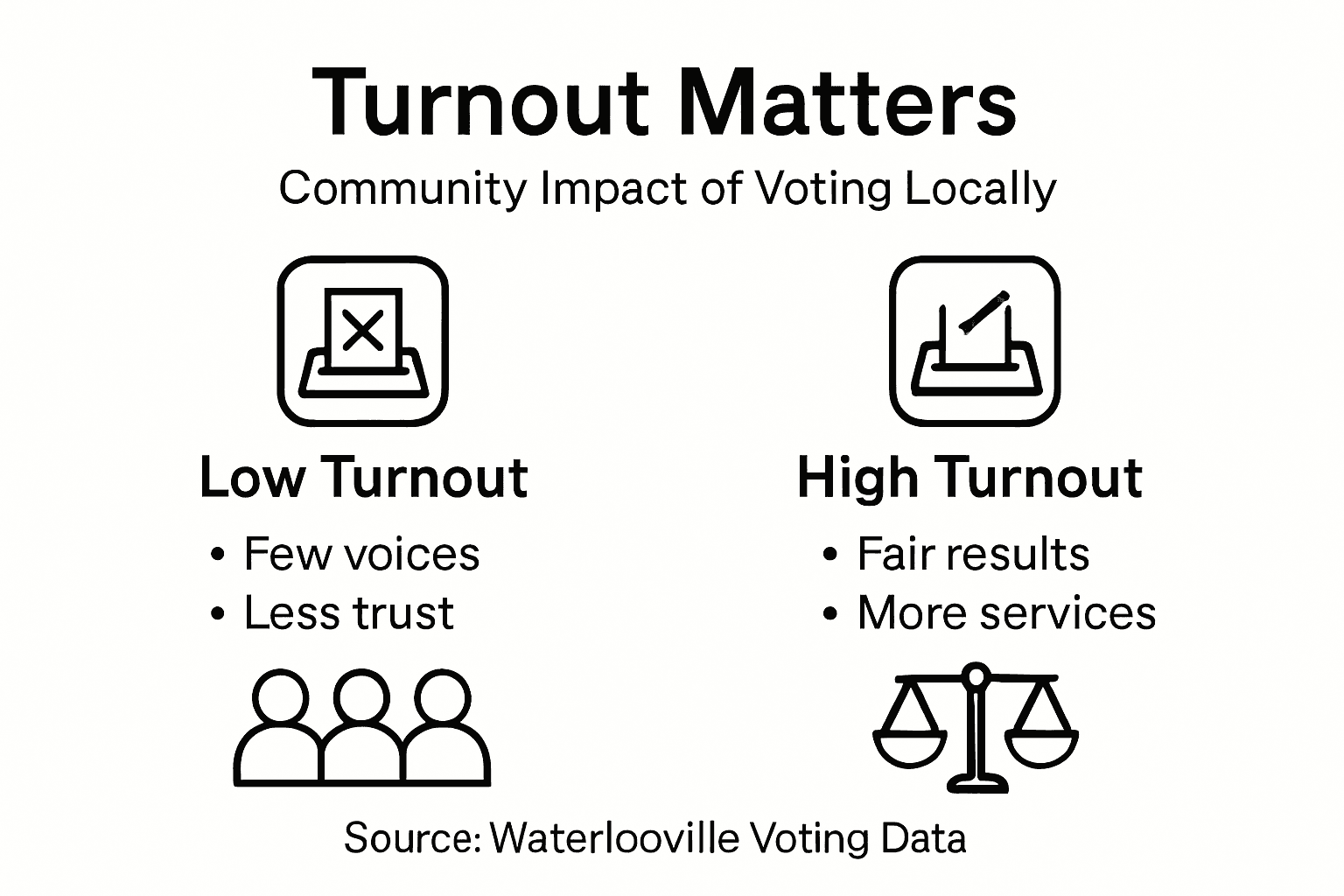
This imbalance has real consequences. Low voter turnout results in less representative governance with disproportionate influence from affluent and special interest groups. When wealthy neighborhoods and organized interest groups dominate voting, their concerns get prioritized. Roads in affluent areas get repaired faster. Parks in those neighborhoods receive better maintenance. Schools with engaged parent voters secure more resources. Meanwhile, neighborhoods with lower turnout watch their priorities get ignored year after year.
This table compares local voter turnout and its consequences with national election participation:
| Election Level | Typical Voter Turnout | Community Representation | Influence of Special Interests |
|---|---|---|---|
| Local Elections | Below 20% | Often unbalanced | Much higher |
| Presidential/National | Around 60% | More representative overall | Lower, broader participation |
Special interest groups thrive when most people stay home. A developer wanting to build a shopping mall faces minimal resistance if only a handful of residents vote. A business group pushing for favorable zoning changes encounters weak opposition. These groups can organize their members to vote strategically. Regular residents who don’t participate can’t counter that organized effort.
Government accountability suffers when turnout drops. Low participation weakens accountability and allows voter apathy to persist, contributing to distrust and declining government responsiveness. Officials feel less pressure to answer to constituents when few people are watching. They skip town halls. They ignore complaints. They avoid explaining unpopular decisions. Why worry about re-election when most voters won’t show up anyway?
The cycle gets worse over time. People feel ignored because government ignores them. They disengage further. Next election, turnout drops even lower. Services deteriorate. Infrastructure crumbles. Critical programs get underfunded. Waterlooville neighborhoods experiencing this cycle find themselves trapped in a downward spiral that becomes expensive and difficult to reverse.
Your vote breaks this pattern. Voting demonstrates that you’re watching. It signals that officials must be accountable. Higher turnout forces politicians to address broader community concerns, not just those of special interests.
Pro tip: Text or email three friends before election day reminding them to vote locally, then follow up afterward to see if they participated.
Take Control of Your Community by Voting Locally and Staying Connected
Local elections directly affect the services you rely on every day from road repairs to school funding. Yet many residents feel disconnected or unaware of who manages these vital decisions. The challenge is clear: low voter turnout dilutes your community’s voice and empowers special interests. Waterlooville.co understands how impactful your vote can be and offers you the tools to get involved and informed.

Discover how voting in local elections shapes the future of Waterlooville by exploring trusted guides and community resources on Waterlooville.co. Find detailed information about local officials, public services, and neighborhood businesses like heating engineers and hair salons that keep your town thriving. Prepare to make your voice heard this election season by staying updated and connected. Visit Waterlooville.co now and turn your vote into real change for your neighborhood.
Frequently Asked Questions
Why are local elections important?
Local elections are crucial because they determine who makes decisions about the services you rely on daily, such as road maintenance, water services, and education policies. These decisions have a direct impact on your community and quality of life.
How does voting in local elections affect my daily life?
Voting in local elections directly influences infrastructure maintenance, public safety budgets, and education quality. Your vote helps decide how resources are allocated for roads, schools, and public services in your community.
What are the main offices involved in local elections?
The main offices include town or city council members, mayors, and school board representatives. Each office has specific responsibilities that affect various aspects of community governance, from budgeting for public services to setting educational policies.
What happens if voter turnout is low in local elections?
Low voter turnout leads to less representative governance, where decisions may be dominated by a small, affluent population. This can result in the neglect of vital community issues, as elected officials respond to the interests of those who do vote, typically special interest groups or wealthier neighborhoods.
Recommended
- Blog - Waterlooville News, Tips & Community Stories | Waterlooville.co
- Editorial Articles | Waterlooville Directory | Waterlooville.co
- Areas We Cover | Waterlooville Directory | Waterlooville.co
- Waterlooville News - Waterlooville Directory | Waterlooville.co
- Why Choose Local Contractors for Home Projects - J. A. Kelly Contracting Services
- Local Service Marketing Basics: Winning More Local Jobs